property
Building and Pest Inspection Costs Tasmania 2026, What to Pay in Hobart and Launceston
Wondering how much a building and pest inspection costs in Tasmania in 2026? This guide covers typical Hobart and Launceston inspection costs, what is included, how to choose a qualified Tasmanian inspector, and what to watch for in Tasmania's heritage and period homes.
How we reported this
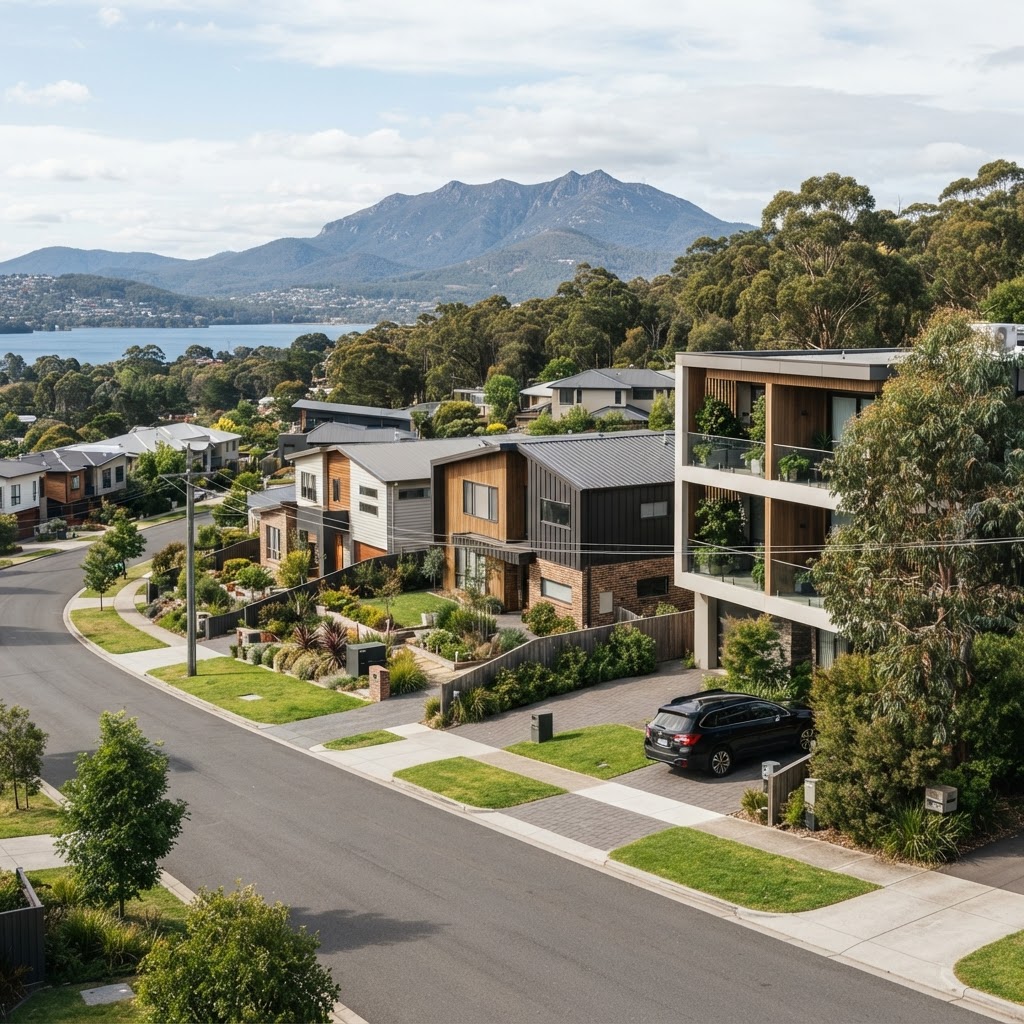
Building and Pest Inspection Costs in Tasmania 2026
Tasmania has some of Australia's oldest housing stock, Hobart's Battery Point, South Hobart, and North Hobart contain significant numbers of convict-era sandstone and timber cottages dating from the early 19th century. These heritage properties require specialist inspection expertise. Combined with Tasmania's cold and wet climate, which can drive moisture and rot issues in older timber structures, a quality building inspection is critical for any Tasmanian property purchase. This guide covers what you need to know in 2026.
Typical Building and Pest Inspection Costs in Tasmania 2026
- Combined building and pest inspection: $400-$700 for a standard Hobart or Launceston home
- Heritage property inspection: $500-$800, convict-era and colonial heritage homes require specialist knowledge
- Building inspection only: $300-$550
- Pest inspection only: $200-$350
What Is Included in a Tasmanian Building Inspection?
- Visual inspection of structure, roof, walls, subfloor (critical in Tasmania's raised timber homes), drainage, and outbuildings per AS 4349.1
- Specific attention to common Tasmanian issues: moisture penetration and rot in older timber-framed homes, chimney and fireplace structural condition (many Tasmanian homes have original fireplaces), roof condition under heavy snow loading in elevated areas (Huon Valley, Derwent Valley), and subfloor ventilation in cold damp climates
- Heritage sandstone and brick: assessment for rising damp, stone deterioration, and lime mortar condition
Pest Inspection in Tasmania, What to Know
- Tasmania has specific pest species including European wasps, wood borers (anobium punctatum is common in older Tasmanian timber), and some termite activity in the Launceston and Devonport areas
- Tasmania's cold climate reduces termite risk compared to mainland Australia, but termites are active in the northern Midlands and Launceston area; a pest inspection remains important
- Tasmanian pest inspectors must hold a current licence under the Work Health and Safety Act 2012 (Tas) framework
Heritage Considerations in Tasmanian Properties
- Many Tasmanian properties are listed on the Tasmanian Heritage Register; modifications to heritage-listed properties require Tasmanian Heritage Council approval
- A building inspector experienced with heritage Tasmanian properties can identify unauthorised modifications that could result in compliance issues post-purchase
How to Choose a Building Inspector in Tasmania
- Ensure your inspector holds a current Tasmanian Building and Plumbing Commission (TBPC) licence
- Specifically confirm experience with heritage timber and sandstone construction if purchasing an older Hobart, Richmond, or Launceston property
- Master Builders Tasmania membership is a useful additional quality indicator
This article was compiled by AI and screened before publishing. See our editorial standards.
This article is general information only and is not personal financial or investment advice. Consider your own circumstances and seek licensed professional advice before making financial decisions.