finance
Global Wealth Surge Pressures Tasmania's Business Margins and Competitiveness
As Australia climbs global wealth rankings, local enterprises from Salamanca to Sandy Bay grapple with competing forces that threaten margins and competitiveness.
How we reported this
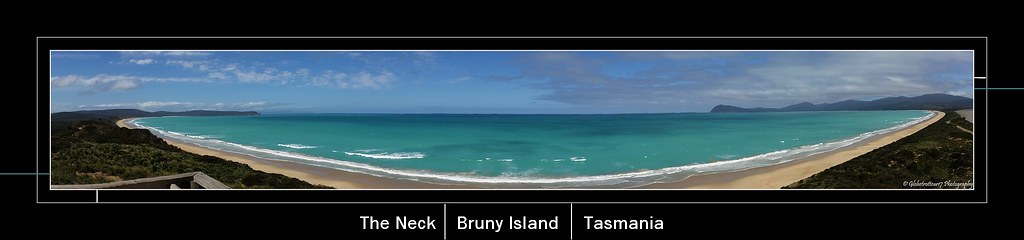
Tasmania's business community is navigating a paradox. While Australia's median wealth ranks third globally according to recent UBS data, local business owners on Elizabeth Street and around Hobart's vibrant precincts are wrestling with cost pressures that international economic dynamics have amplified.
The contradiction cuts to the heart of modern commerce. Yes, Australian households possess substantial wealth-but that prosperity masks inflationary pressures rippling through global supply chains that directly impact Tasmanian enterprises. Recent corporate enforcement actions, including penalties against major food producers for misleading labelling practices, signal tighter regulatory scrutiny just as businesses face mounting operational costs.
"We're seeing two opposing currents," explains the sentiment among retailers and hospitality operators in Salamanca and around the Hobart waterfront. International wealth concentration has elevated consumer expectations. Customers dining at establishments across Sandy Bay or shopping in the CBD expect premium service and products. Yet sourcing costs-driven by global freight, energy, and raw material inflation-have compressed margins significantly.
Tasmanian manufacturers exporting seafood and specialty products face particular challenges. Global wealth shifts have opened premium markets, but international logistics costs have nearly doubled since 2023. A small-to-medium enterprise shipping crayfish internationally now absorbs shipping costs that rival the product's wholesale value. Simultaneously, domestic competition intensifies as larger national operators leverage scale advantages Australian wealth data suggests exist among major corporates.
Local financial services firms report increased demand for sophisticated investment advice as Tasmanian wealth accumulates, yet regulatory complexity-exemplified by recent privacy breaches affecting major financial institutions-demands expensive compliance infrastructure that small advisory firms struggle to afford.
The property sector illustrates these tensions acutely. Hobart's median house prices have climbed in step with national wealth metrics, yet local wage growth hasn't matched property appreciation. Young professionals considering businesses in Tasmania face residential costs that constraint capital allocation for entrepreneurial ventures.
For Tasmanian enterprises, the global context demands strategic recalibration. Businesses cannot compete on volume against larger national players, nor can they ignore cost pressures originating overseas. The successful local operators-those maintaining viability in Launceston's CBD and across Hobart's business districts-are those identifying defensible niches: premium local products, specialized services, and community-embedded operations that leverage Tasmania's geographic and cultural distinctiveness.
The challenge ahead: maintaining profitability while global economic forces beyond local control reshape the competitive terrain.
This article was compiled by AI and screened before publishing. See our editorial standards.
This article is general information only and is not personal financial or investment advice. Consider your own circumstances and seek licensed professional advice before making financial decisions.