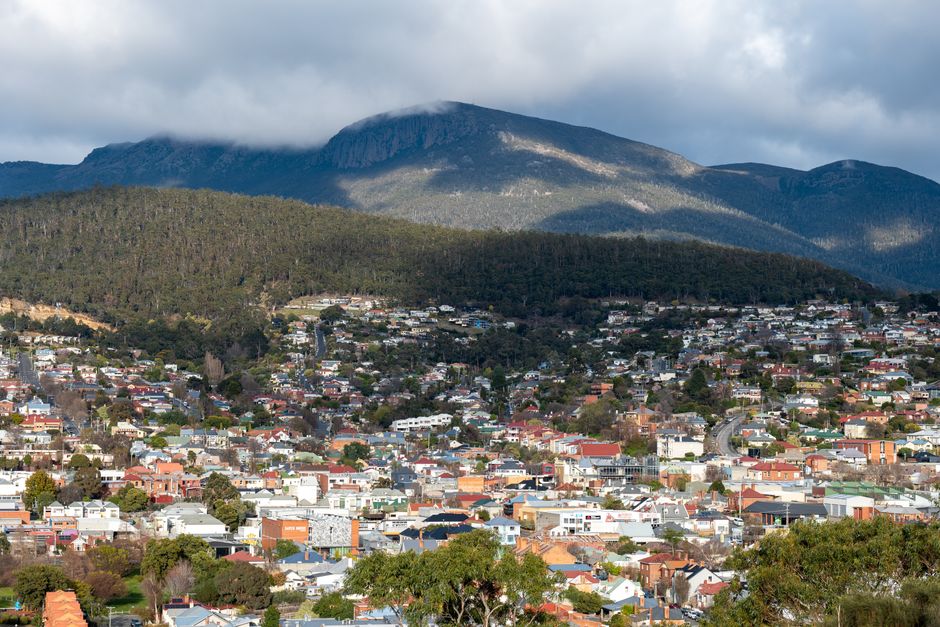
The Museum of Old and New Art has generated an estimated $200 million in annual economic activity for Tasmania since opening in 2011 — and its broader impact on the island state's tourism economy, cultural identity, and business confidence has been even larger than this direct figure suggests, as the Mona effect transformed Hobart from a quiet historic city into one of the world's most talked-about cultural destinations and reshaped the travel decisions of hundreds of thousands of visitors annually who might otherwise not have considered Tasmania.
Hobart accommodation operators, restaurants, and retailers consistently identify Mona as their most important business driver, with the museum's visitation patterns — heavy on interstate and international overnight visitors who stay multiple nights and spend significantly — creating the revenue base that supports the quality hospitality infrastructure the city now has. Before Mona, Hobart's hospitality sector was modest; after Mona, it has achieved national recognition.
Dark Mofo, the midwinter festival that Mona created as a sister event to MONA FOMA, has become one of Australia's most distinctive annual events — drawing 100,000 attendees to midwinter Hobart for a program of music, art, fire, and culinary experiences that would be implausible in any other context but works because of the combination of Mona's creative credibility and Hobart's authentic heritage environment.
Tourism industry observers and economists who have studied the Mona phenomenon note that its most important economic contribution was not the museum itself but the permission structure it created — giving the world and Tasmanians themselves permission to believe that Tasmania was a serious, worthy destination rather than a charming afterthought at the end of Australia.
This article was compiled by AI from the sources linked above and screened before publishing. See our editorial standards.