community
Moving to Hobart: Everything You Need to Know Before You Arrive
From the winter reality to the housing market and finding your community, here is the complete Hobart relocation guide.
How we reported this
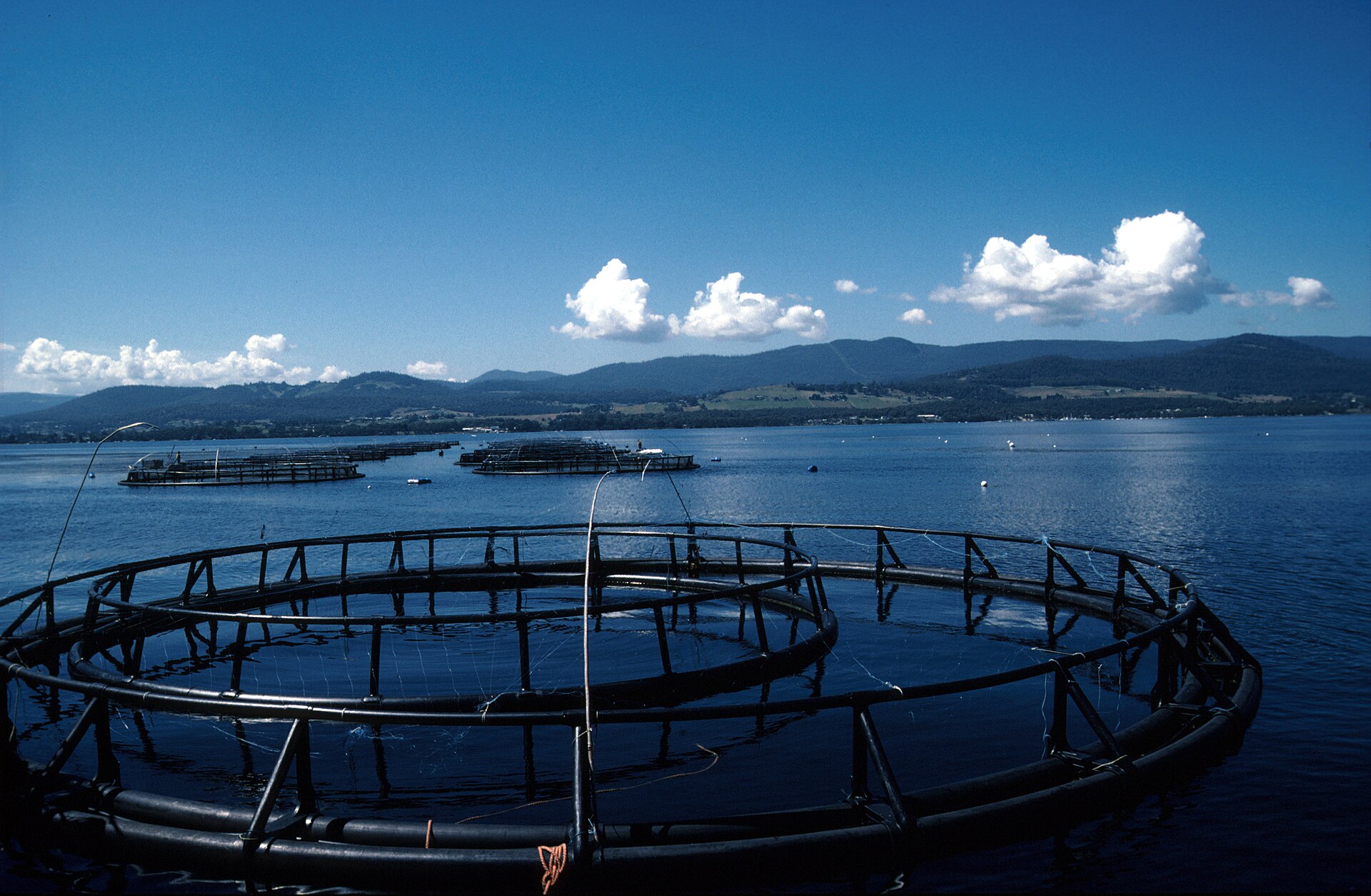
Moving to Hobart is one of Australia's most dramatic lifestyle relocations: from the density and heat of a mainland capital to a city of 250,000 with clean air, accessible nature, extraordinary food and arts culture, and winters that demand adjustment. The people who love Hobart tend to love it with unusual intensity; the people who leave typically cite the winter darkness and the employment limitations as the factors that made the decision for them.
The winter reality, Hobart's winter is genuinely cold and wet in ways that Sydney and Brisbane residents have not experienced. June and July temperatures average 7-12°C with frequent rain, early sunset (4:30pm in late June), and a city that goes quiet in a way that Sydney's winter (mild, overcast, but not dark) does not. Home heating quality is essential: inspect the heating system in any property you consider renting or buying. Reverse-cycle systems and heat pumps are the most efficient for Hobart's climate; ducted systems in older homes can be expensive to run.
The Hobart housing market, Hobart's housing market has been through dramatic change and the rental vacancy rate remains very low. Competition for properties is real, particularly in the inner suburbs (Battery Point, Sandy Bay, North Hobart). Have references, payslips, and a cover letter ready for applications. If arriving without a job secured, budget for a higher-cost short-term accommodation period while finding both employment and a rental.
Transport in Hobart, Metro Tasmania's bus network serves the Hobart metropolitan area, but Hobart's low density and the geography of hills and the Derwent River make a car effectively essential for most households. The Tasman Bridge connects the eastern shore to the western side; if the bridge is ever closed (as it was from 1975 to 1977 after the MV Lake Illawarra struck it), the traffic consequences are severe. Understanding bridge and tunnel alternatives is practical Hobart driving knowledge.
Tasmanian communities, Hobart's size means that networks form quickly and professional communities overlap significantly. The arts, food, public service, university, and creative sectors all know each other in Hobart to a degree that feels like a small town despite being a functioning capital city. This intimacy is a strength for those who engage with it.
This article was compiled by AI and screened before publishing. See our editorial standards.