culture
Hobart's Arts Growth Defines City's Creative Identity
A wave of new exhibitions and venue upgrades is cementing Hobart as a place where heritage meets fresh artistic output.
How we reported this
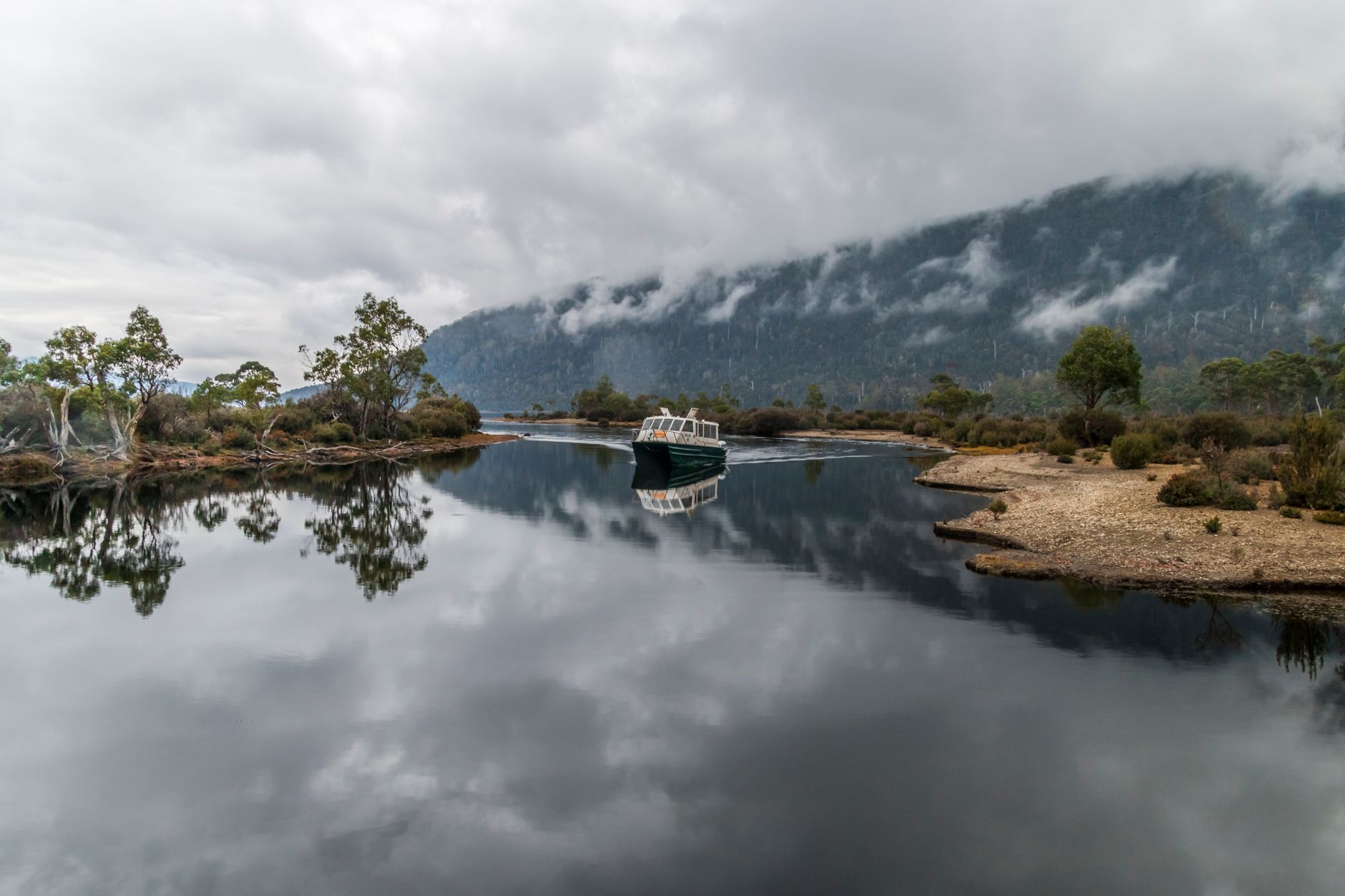
Over 180 local artists opened new works this month at venues tied to the 2026 Tasmanian Winter Arts Trail, a jump from 120 participants last year.
The increase arrives as Hobart pushes its profile beyond seasonal tourism and toward year-round creative output that blends colonial buildings with contemporary practice. City planners and arts groups see the shift as a way to retain younger makers who might otherwise leave for mainland centres.
Venues anchoring the change
Exhibitions now run along Salamanca Place and inside the former warehouse at 27 Argyle Street that houses the Tasmanian Arts Collective. Both sites sit within walking distance of the waterfront, allowing visitors to move between markets, studios and the Theatre Royal on Campbell Street. The Collective added three new residency studios in May, each fitted with shared printmaking equipment funded through a state grant.
Further out, the Museum of Old and New Art at Berriedale has extended its free entry days to the first Sunday of every month, drawing families who then continue into North Hobart cafes and bookshops on Elizabeth Street.
Numbers behind the identity shift
Tasmanian government figures released last week show arts attendance across the state reached 482,000 visitors in the 2025-26 financial year, up 14 per cent from two years earlier. Average ticket prices for major shows sit at $28, while the Collective reports that 62 per cent of its studio users are under 35. Those figures line up with a 9 per cent rise in applications for small-venue grants processed by the Hobart City Council between January and June.
Residents can check the Winter Arts Trail map on the council website or pick up printed copies at the Salamanca Arts Centre information desk. Updated listings for August exhibitions will appear online by 20 July.