Our reporters are based in Tasmania and cover local government, business and community. We are independently owned and editorially independent. Read our editorial standards →
Tasmania is represented in the federal parliament by five House of Representatives members across five electorates and twelve senators — the same Senate representation as the mainland states despite having a fraction of their population. This over-representation in the Senate gives Tasmania disproportionate influence in the upper house and has historically given Tasmanian senators significant leverage in government formation and legislation passage.
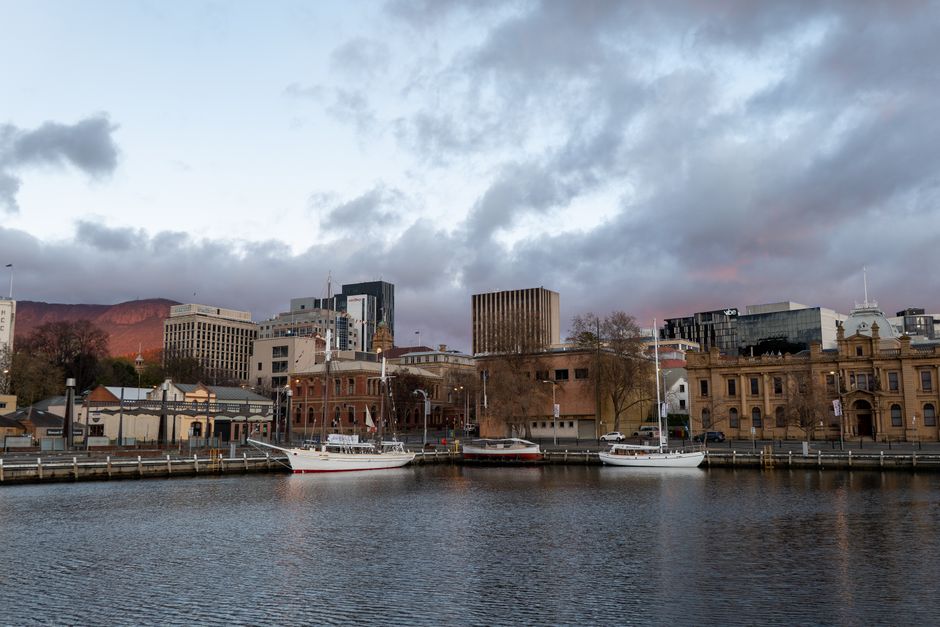
Division of Clark — covering Hobart city, Sandy Bay, Battery Point, and the southern Hobart suburbs. Clark (formerly Denison, renamed in 2019) is Hobart's primary federal electorate and has been held by independent Andrew Wilkie since 2010. Wilkie's long tenure as an independent reflects Hobart's appetite for non-party political representation at the federal level.
Division of Franklin — covering the Huon Valley, the Derwent Valley, and the eastern shore suburbs of Hobart. Franklin is named after former Governor-General Sir John Franklin and spans from urban Hobart eastern shore communities to the remote wilderness of the island's southwest.
Division of Bass — covering Launceston and the northeast of Tasmania. Bass is one of the most marginal federal seats in Australia and has changed hands between Labor and Liberal in virtually every federal election of the past 20 years, making it a bellwether for national political mood.
Division of Braddon — the northwest and west coast seat covering Burnie, Devonport, and the remote west coast mining communities. Braddon's industrial heritage in the northwest creates a distinct political economy focused on manufacturing, mining, and agriculture.
Division of Lyons — the broad central and eastern Tasmania seat covering the Midlands, the east coast, and portions of the Derwent Valley. Lyons is the largest geographic electorate in Tasmania and spans urban Hobart commuter communities to remote farming districts.
This article was compiled by AI and screened before publishing. See our editorial standards.