finance
Gold's surge to US$4,187 opens a quiet window for Tasmanian investors
A rare alignment of rising equities, a firmer Australian dollar and gold at record highs is creating genuine opportunities for conservative portfolios, and some local sectors are already capturing the benefit.
How we reported this
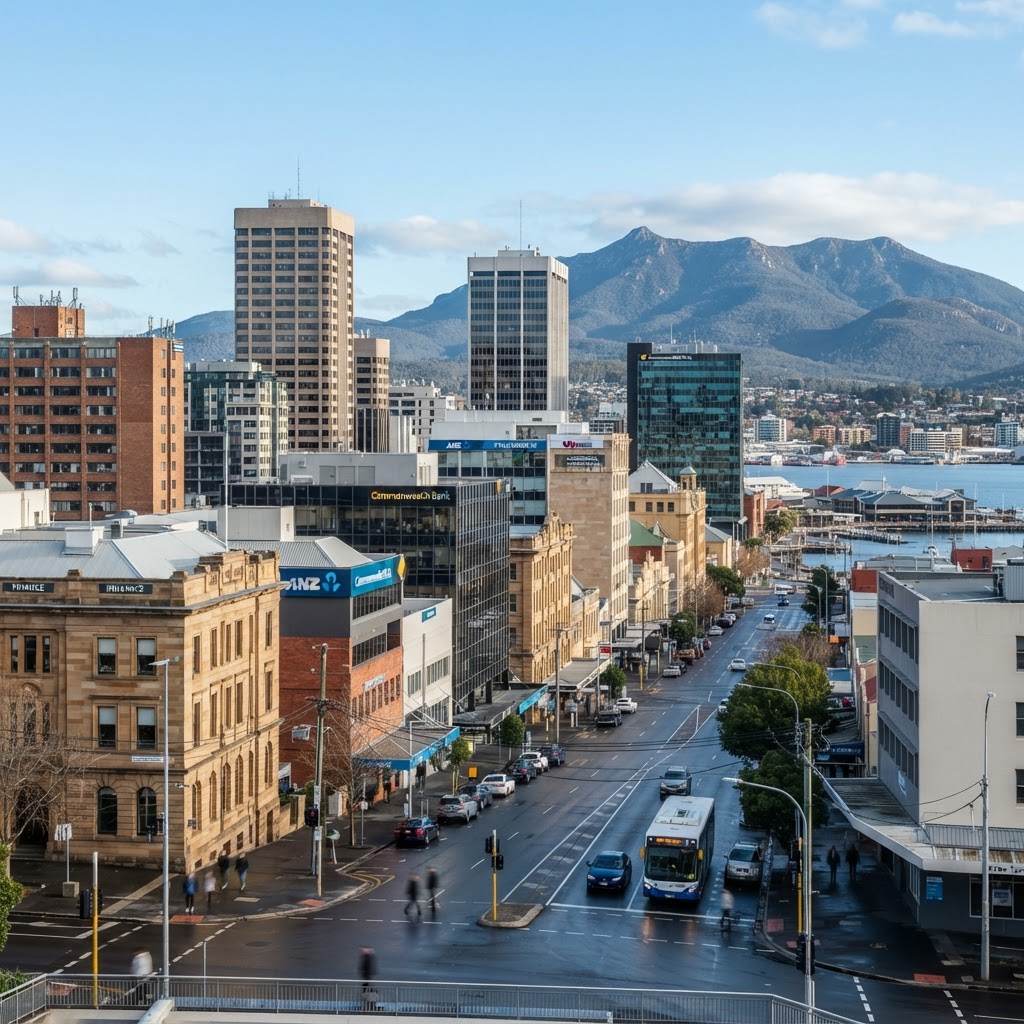
Gold hit US$4,187 an ounce on Saturday, a rise of 4.10 per cent in a single session, and that number matters more than most Tasmanian retirees and self-managed super fund holders might immediately appreciate. Combined with the ASX 200 climbing 0.92 per cent to 8,844 and the Australian dollar lifting 0.68 per cent to 69.43 US cents, the picture that emerges is one where defensive, yield-oriented and commodity-linked portfolios, exactly the kind that dominate Hobart and Launceston SMSF registers, are being rewarded simultaneously. That does not happen often.
The driver behind gold's move is, in broad terms, a reassertion of safe-haven demand running in parallel with fresh appetite for risk assets, an unusual combination that tends to reflect genuine uncertainty about the medium-term outlook rather than short-term panic. The S&P 500 added 1.71 per cent to reach 7,483 and the Nasdaq Composite jumped 1.87 per cent to 25,833 in the most recent session, suggesting offshore fund flows remain robust. For Tasmanians with exposure to global equities through industry super funds or diversified managed funds, that offshore momentum is already translating into portfolio gains before the local bourse even opens Monday.
The ASX materials sector, which carries significant gold and diversified mining exposure, is the most direct local beneficiary. ASX-listed gold producers with operations or processing infrastructure tied to Australian mining corridors have seen sustained buying interest over the past several weeks as spot prices climbed. At US$4,187, the margin economics for unhedged Australian gold producers are materially better than at any prior point in the commodity's history in Australian dollar terms, given the currency has not kept pace with the metal's rise. That currency lag, the AUD sitting at 0.6943 rather than anywhere near parity, is a structural tailwind for every tonne of gold sold offshore.
Tasmania's renewables and agriculture exposure catches a different current
Tasmania's listed and unlisted investment universe skews toward three themes: hydro and renewable energy infrastructure, agricultural processing and export, and tourism-adjacent hospitality. Of those three, renewables infrastructure is picking up a secondary benefit from the current market configuration. Energy policy debate on the mainland, including the ongoing public argument over electricity pricing and concession schemes for pensioners, is keeping investor attention fixed on the structural transition in Australia's power sector. Hydro Tasmania, as a government business enterprise rather than an ASX-listed vehicle, does not trade directly, but the companies supplying grid-scale storage, interconnection technology and transmission infrastructure to projects like the Marinus Link are publicly listed and have moved with broader market sentiment.
Agricultural exposure is more nuanced. A stronger Australian dollar is a modest headwind for farm-gate returns on exported commodities priced in US dollars, whether that is Tasmanian Atlantic salmon, dairy or cool-climate wine. A 0.68 per cent single-session move in the AUD/USD pair is not catastrophic, and the currency at 0.6943 remains historically low enough to preserve export competitiveness. But investors with direct holdings in ASX-listed agribusinesses should note the directional pressure: if the dollar continues to firm alongside commodity prices, margin compression becomes a genuine risk for the second half of the 2026 financial year.
The property picture locally is more sobering. National auction clearance data released this week points to continued softness in metropolitan markets, and while Hobart's auction volumes are a fraction of Sydney or Brisbane, the sentiment effect is real. First home buyers remain cautious nationally. For Tasmanian retirees thinking about downsizing or releasing equity, the message from the broader property data is to plan carefully around timing rather than assume a quick clearance. The RBA's rate trajectory will matter more than any single weekend's clearance figure.
Bitcoin's 4.84 per cent rise to US$62,906 will catch the eye of younger Tasmanians with small crypto allocations, but it remains a peripheral consideration for the conservative core of local portfolios. The more consequential data point for the week ahead is WTI crude, which fell 2.78 per cent to US$68.78 a barrel. Lower fuel input costs flow through to transport, agriculture and tourism operators, businesses that form the backbone of the Tasmanian private economy. A sustained softening in oil, if it holds through July and August, is a quiet but meaningful cost relief for small and medium enterprises on the island that have been absorbing elevated freight and logistics bills since 2022.
The week ahead will test whether Saturday's gains hold or represent a single-session spike. For Tasmanian investors, the practical checklist is straightforward: check gold and materials exposure within superannuation, review whether agricultural holdings are hedged against currency moves, and resist the temptation to read too much into a single strong session on Wall Street. The opportunity is real, but so is the volatility that surrounds it.
This article is general information only and is not personal financial or investment advice. Consider your own circumstances and seek licensed professional advice before making financial decisions.