Sport
Getting Kids Into Football in Tasmania: Junior AFL and Soccer Clubs Across the State
A guide for parents on how to register children in junior Australian Rules and soccer competitions in Tasmania, from Hobart to Launceston.
Sport
A guide for parents on how to register children in junior Australian Rules and soccer competitions in Tasmania, from Hobart to Launceston.
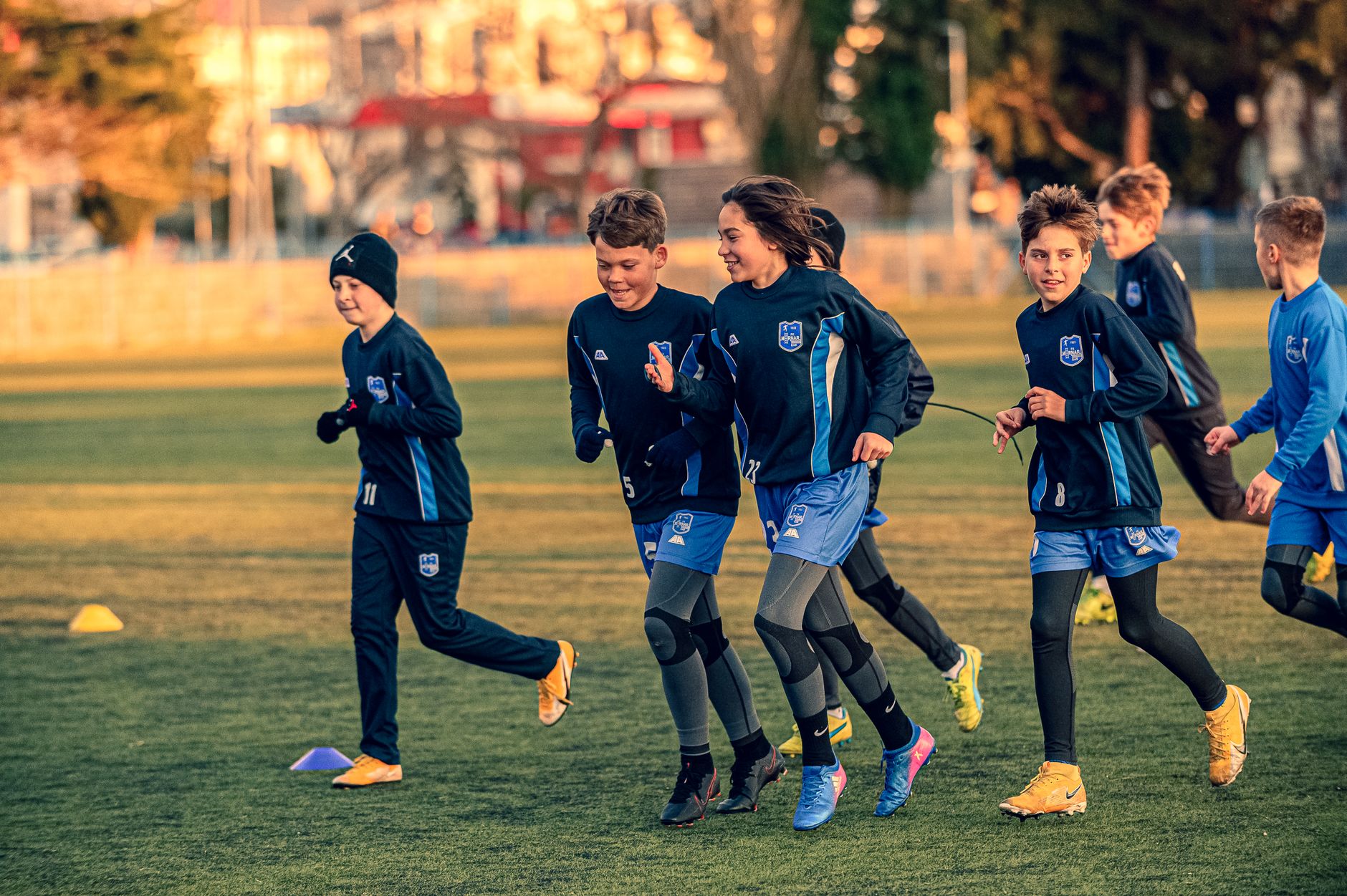
Football in all its forms runs deep in Tasmanian culture, and the junior pathways available to young players in the state are among the best in the country. Whether your child is drawn to the marking and long kicks of Australian Rules or the footwork and teamwork of soccer, there is a welcoming club nearby and a well-structured competition waiting for them.
Junior Australian Rules is administered through the Southern Football League in the greater Hobart area and the Northern Football League around Launceston and the north of the state. Both bodies run age-group competitions from Auskick (aimed at children from around five years old) all the way through to under-18s, with an emphasis on participation, skill development and fun at the younger levels. Auskick sessions typically run on weekend mornings during the AFL season, making them a perfect entry point for children who have never played before. Registration can be completed through the PlayHQ platform, and the AFL Tasmania website is the best starting point for finding your nearest club.
Soccer registration is handled through Football Tasmania, which oversees NPL Tasmania and a broad network of community clubs running from the first rains of autumn through to mid-winter. MiniRoos, the national junior entry program for football, operates across most clubs and is designed for players from four to eleven years old, with small-sided games on scaled-down pitches that keep the action constant and the fun levels high. The Football Tasmania website has a club finder that covers Hobart, Launceston and regional areas.
Most junior clubs across both codes are run entirely by volunteer parents and coaches, and new families are always welcomed warmly. Equipment requirements are minimal at the youngest ages; clubs usually provide training bibs, and the main investment is a pair of appropriate boots and a mouthguard. Many clubs also run free or low-cost come-and-try sessions during school holidays, which are a great way to let a child test the water before committing to a season.
Sport has a way of building confidence, friendships and physical literacy that nothing else quite matches, and the junior clubs of Tasmania are full of children for whom Saturday morning football is the highlight of the week. Visiting your nearest club for a trial session costs nothing, and you may well find your child never wants to leave.
Sources: AFL Tasmania Football Tasmania
This article was compiled by AI from the sources linked above and screened before publishing. See our editorial standards.
About this article
Published by The Daily Tasmania
More in Sport