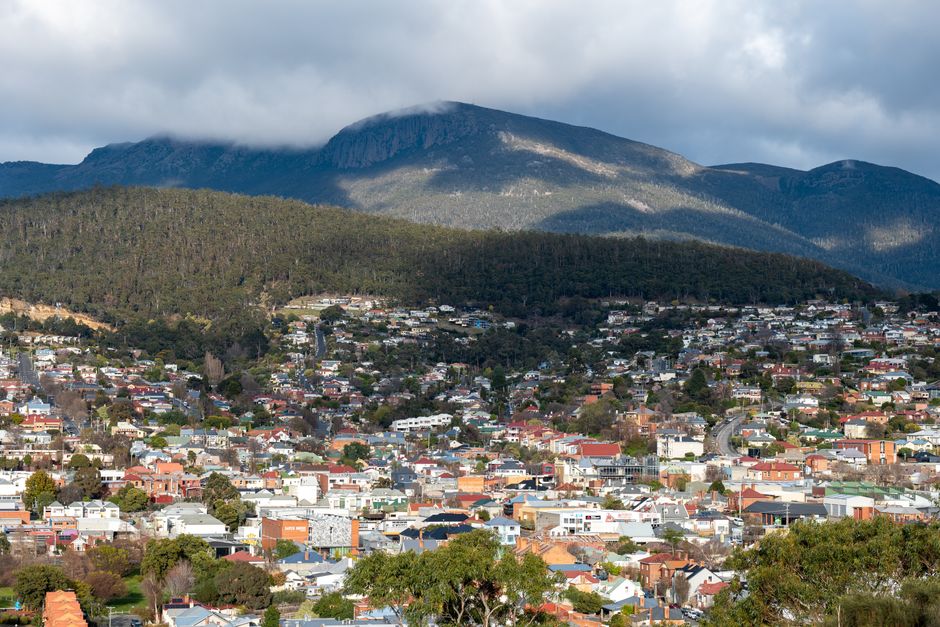
Hobart's property market is undergoing its most significant transformation in a generation, with over $2 billion in approved waterfront and inner-city developments set to reshape the capital's skyline and fundamentally alter buyer expectations.
The catalyst? A perfect storm of interstate migration, remote work flexibility, and strategic government planning that's creating unprecedented demand for new residential stock in premium precincts from Battery Point to the emerging Macquarie Point precinct.
"We're seeing buyers who would have previously dismissed Hobart as too small suddenly realising the lifestyle advantages," explains one leading local agent. "These aren't investors chasing yields anymore—they're lifestyle migrants willing to pay $750,000 to $1.2 million for new apartments with water views."
The numbers tell the story. While Tasmania's median house price sits around $560,000, new waterfront apartments in Hobart are commanding $800,000 to $2 million. Recent off-the-plan sales at the Queens Walk development have sold out faster than anticipated, with buyers locking in early to secure premium positions before completion.
But it's not just Hobart capturing attention. Launceston is emerging as the smart alternative, with several major residential projects now underway in the CBD and Inveresk precinct. New apartments are moving at $450,000 to $650,000—dramatically undercut against Hobart but offering the same quality finishes and modern amenities that lifestyle migrants expect.
The planning pipeline suggests this isn't a temporary boom. Macquarie Point alone has approval for multiple stages of mixed-use development including residential, retail, and cultural spaces. Battery Point continues to attract boutique renovations, while the once-overlooked suburbs of West Hobart and Moonah are seeing significant infill development as buyers seek value without sacrificing proximity to the CBD.
"The challenge now is supply matching demand," notes one development sector insider. "We've got the interest and the capital flowing in, but we need to fast-track approvals and construction to avoid the price inflation we're seeing in Melbourne and Sydney."
For buyers entering the market, the window for genuinely new product at pre-boom prices may be closing. Most developers are already factoring the market's upward trajectory into their pricing, meaning those purchasing off-the-plan today could see 15-20 per cent capital growth by completion.
The state government's extended $30,000 first-home buyer boost will help some, but experts warn it remains inadequate for Hobart's premium precincts—where the median new apartment now sits well above the $560,000 state average. For investors and owner-occupiers with capital to deploy, the next 18 months will define Hobart's next decade.
This article was compiled by AI from the sources linked above and screened before publishing. See our editorial standards.