lifestyle
Expats Moving to Tasmania: Real Costs, Visas, and Rental Markets Explained
From visa pathways to rental markets and where to find your community, here's the practical guide for international newcomers considering Tasmania's thriving lifestyle.
How we reported this
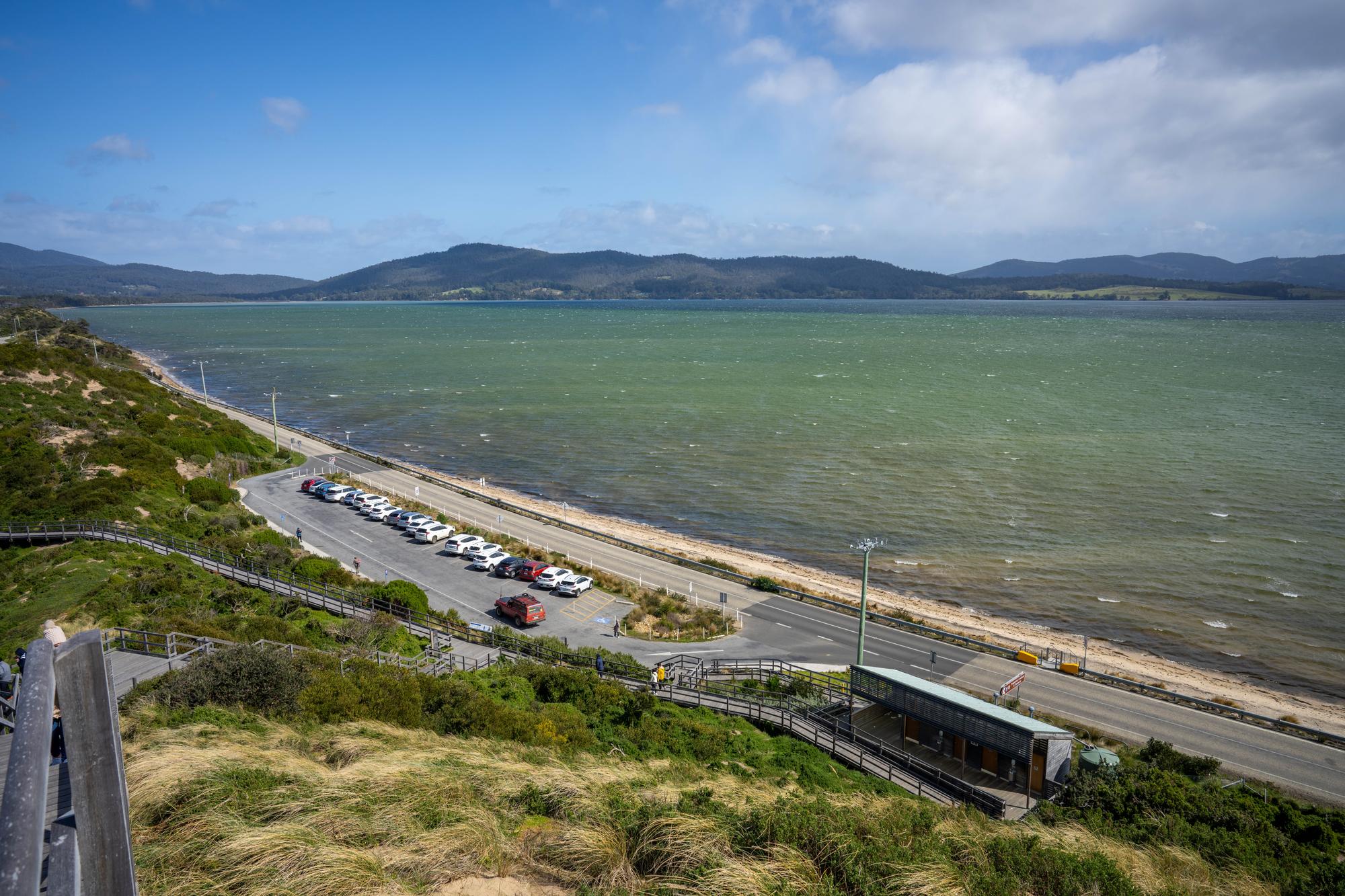
Tasmania's reputation as Australia's coolest city-both climatically and culturally-has attracted a steady stream of expat newcomers over the past five years. But before you book that one-way flight to Hobart or Launceston, understanding the financial and logistical realities will save you significant stress and expense.
The first hurdle is visa sponsorship. Most expats arrive on skilled migration visas (subclass 189, 190, or 491), which require employer sponsorship or points-based qualification. Tasmania's Skilled Migration Program offers additional pathways with lower point thresholds than mainland states, making it genuinely more accessible. However, visa processing typically costs AUD$3,500-$5,500 and takes 6-12 months. Budget accordingly before resigning from your current role.
Housing is where your wallet will feel the difference most acutely. Hobart's inner suburbs-North Hobart, South Hobart, and Glebe-command premium rents around AUD$550-$750 weekly for a two-bedroom apartment. Move further out to suburbs like Sandy Bay or West Hobart, and you'll find similar stock for AUD$400-$550. Launceston's rental market is notably cheaper, averaging AUD$350-$500 for comparable accommodation. Buying property remains more affordable than Sydney or Melbourne, with median house prices around AUD$850,000 in Hobart, though this has climbed steadily since 2021.
Healthcare access requires early navigation. Register with a local GP immediately-wait times for new patient appointments can stretch to eight weeks. The Medicare system covers most costs for Australian citizens and permanent residents, but temporary visa holders must arrange private health insurance, typically costing AUD$200-$400 monthly depending on coverage.
For banking and financial setup, bring your passport and proof of residence. Opening an account takes 1-2 weeks. Superannuation contributions (Australia's mandatory retirement savings scheme) begin immediately upon employment at 11.5% of your salary-this is non-negotiable, so factor it into salary negotiations.
Community integration matters more than people realise. Connect through established networks: Hobart's expat Facebook groups are surprisingly active, while the University of Tasmania's International Student Office offers resources even for non-students. Local neighbourhoods host regular markets-Salamanca Market (Saturdays, Hobart) and Launceston's Harvest Market (Sundays) are social hubs worth visiting early.
Utilities and general living costs run slightly lower than major mainland cities. Groceries align with national averages, though fresh produce fluctuates seasonally. July currently offers excellent value blackberries and brussels sprouts-use winter months to explore local farmers' markets along Elizabeth Street Mall in Hobart and Brisbane Street in Launceston.
Finally, winter preparedness isn't optional. Budget for heating costs (May-September can reach AUD$400-$600 monthly) and invest in quality winter clothing-Tasmania's wind and rain demand respect.
The move pays dividends for those prepared for the transition costs and willing to invest in community. Tasmania rewards thoughtful relocation with lower expenses, genuine lifestyle quality, and a genuinely welcoming expat community.
This article was compiled by AI and screened before publishing. See our editorial standards.