lifestyle
Tasmanians Discover Hidden Retail Gems Across Weekend Markets and Heritage Arcades
From weekend farmer's markets to heritage arcades, here's how locals are rediscovering the joy of browsing, bargaining, and building community through thoughtful shopping.
How we reported this
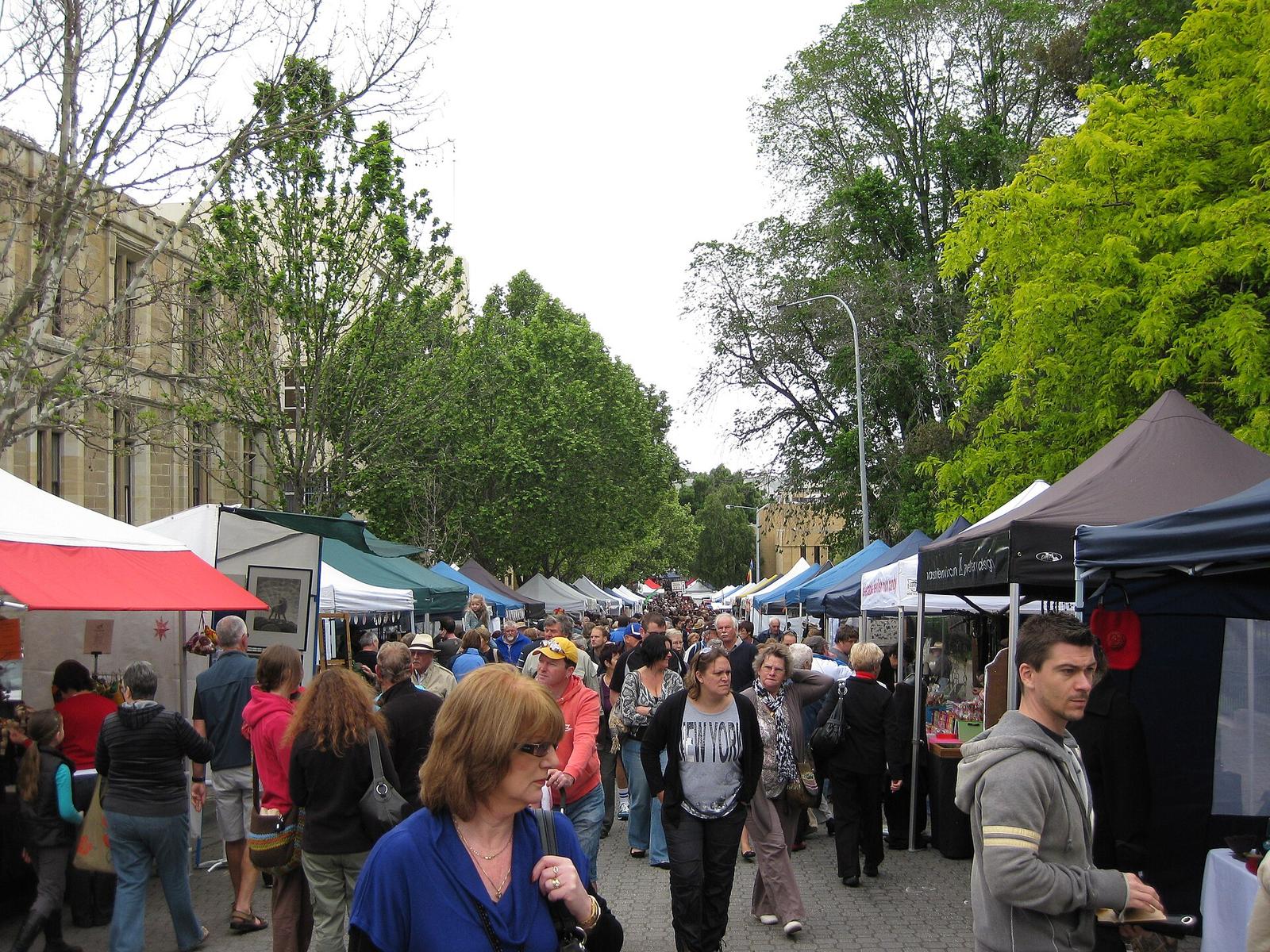
Whether you're a long-time Tasmanian or recently relocated to our island, the shift towards intentional shopping-mixing market exploration with boutique discovery-has become the city's unexpected lifestyle trend. And it's practical, rewarding, and deeply rooted in how our neighbourhoods actually work.
Start with the staple: Salamanca Market on Saturday mornings remains the city's beating heart for fresh produce, artisan goods, and street food. Expect to spend two to three hours browsing 300-plus stalls, with most produce priced 15-25% below supermarket rates. The key is arriving by 9 AM if you want prime selection, and bringing a reusable bag-most vendors offer discounts for this small gesture.
Beyond the weekend rush, Farm Gate Market at MONA operates year-round and attracts serious food lovers seeking biodynamic vegetables, heritage grains, and local honey. Prices reflect quality; expect to pay $8-12 per kilogram for premium seasonal produce, but the nutritional density and flavour justify the investment for home cooks.
For vintage and pre-loved fashion, Hobart's CBD arcades-particularly around Elizabeth Street-house independent boutiques where savvy shoppers find designer pieces at fraction-retail prices. Budget $30-80 for quality second-hand clothing; these venues tend to rotate stock weekly, rewarding regular visits.
Don't overlook neighbourhood niche markets. South Hobart's Cascade area hosts community swap meets monthly, while New Town Practical wisdom: most Tasmanian markets operate cash-preferred systems (though EFTPOS is increasingly common), so withdraw $100-150 for a serious Saturday morning. Peak times are 8-11 AM; if crowds drain you, visit mid-week or slightly later-vendors often discount end-of-day stock to avoid packing. The financial upside is genuine. Residents who commit to market shopping over supermarket convenience report monthly savings of 15-20% on fresh goods, plus the intangible rewards: building relationships with producers, understanding seasonal eating, and reconnecting with the tactile, social dimension of procurement. Tasmania's retail landscape thrives on community participation. These markets and independent venues aren't quaint nostalgia-they're functional alternatives to homogenised chain shopping, designed by locals for locals who value quality, sustainability, and genuine connection in how they spend.