lifestyle
Hobart's inner suburbs are getting their act together, and locals are finally sticking around
After years of decline, neighbourhoods like Glebe and South Hobart are attracting young professionals and families who might have otherwise fled to Melbourne. Here's what changed.
How we reported this
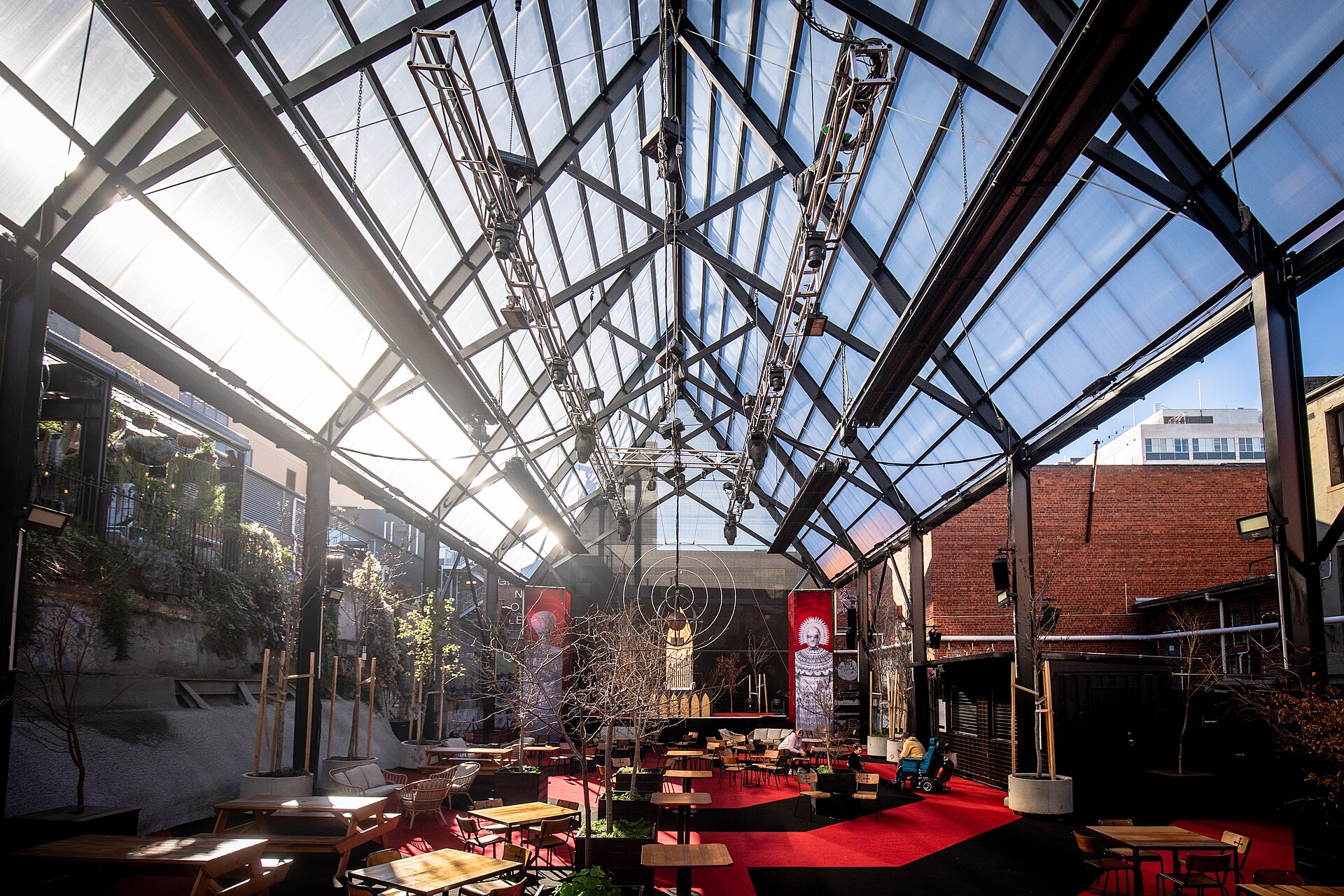
The rental listings on Elizabeth Street in Hobart used to sit for weeks. Now they vanish in days. Landlords in Glebe are asking $480 a week for two-bedroom cottages that would have sat empty for a month as recently as 2024. The shift isn't subtle. It's rewriting who lives in Tasmania's capital and why they're choosing to stay.
The transformation matters because it breaks a pattern that's defined the state for two decades. Young Tasmanians with university degrees and decent incomes routinely packed up for Sydney or Melbourne, calculating that career prospects and social infrastructure justified the expense. That exodus drained the city of exactly the people who drive renewal-the designers, software developers, accountants and small business owners who fill laneway cafes and push councils to fix potholes faster.
Walk past the new Glebe Community Hub on Argyle Street, opened by the Hobart City Council in late 2025, and you'll see it now serves as an unofficial meeting point for young professionals who might not have given inner Hobart a second look five years ago. The hub hosts coworking space-practical for the freelancers and remote workers who've been filtering into the neighbourhood-and community programming that's drawn a different demographic entirely. Two streets over on Elizabeth Street, the Glebe Precinct Association reports membership doubled since 2024, driven largely by people under 40.
South Hobart tells a similar story. The suburb's main drag along Macquarie Street has four new independent cafes and restaurants that opened within the past 18 months. One venue, which opened in March 2026, reportedly turned a profit within four months-unusual enough in Hobart to generate talk among hospitality operators. Local property agent figures show median prices for three-bedroom houses in South Hobart climbed from $685,000 in mid-2024 to $742,000 by March 2026.
What pulled people back isn't just affordability
Yes, housing costs in inner Hobart remain a fraction of Melbourne prices. But the real draw seems to be something harder to quantify: the neighbourhoods have stopped feeling like places people tolerate and started feeling like places they'd choose. The Tasmanian Museum and Art Gallery's expansion, completed in 2024, legitimised Hobart as a cultural destination. The Salamanca Market-which has operated every Saturday for decades-finally got proper infrastructure upgrades in 2025, attracting vendors from across the state and making the precinct feel less like a weekend tourist trap and more like a genuine community asset.
The Hobart City Council's Local Area Planning for Glebe and South Hobart, released in draft form in early 2026, explicitly targets younger households. It's mapped sites for new apartments, eased restrictions on backyard studios (to address housing shortage), and committed $2.3 million to street activation projects through 2027. That's not incidental-councils don't spend that money unless they've seen genuine demand shift.
For locals actually considering whether to plant roots, the practical reality is stark: the infrastructure you'd expect from a capital city is actually showing up. The bike lane network expanded through South Hobart last year. Three new GP practices opened in the Glebe postcodes since January 2025. The private school system remains thin, but public schooling at Tasmanian College has improved enough that families aren't automatically decamping to Melbourne for secondary education.
The test now is whether this sticks. Hobart's inner suburbs have staged comebacks before that didn't last. The difference this time might be that remote work has made location less binary-you can earn Sydney money while spending Hobart rent. As long as that holds, Glebe and South Hobart should keep attracting the people who actually keep cities alive.