lifestyle
Hobart's Inner Suburbs Now Cost How Much? Real Numbers Inside
As property prices climb and rental stocks tighten, we mapped out the real expenses of living in Tasmania's most sought-after precincts.
How we reported this
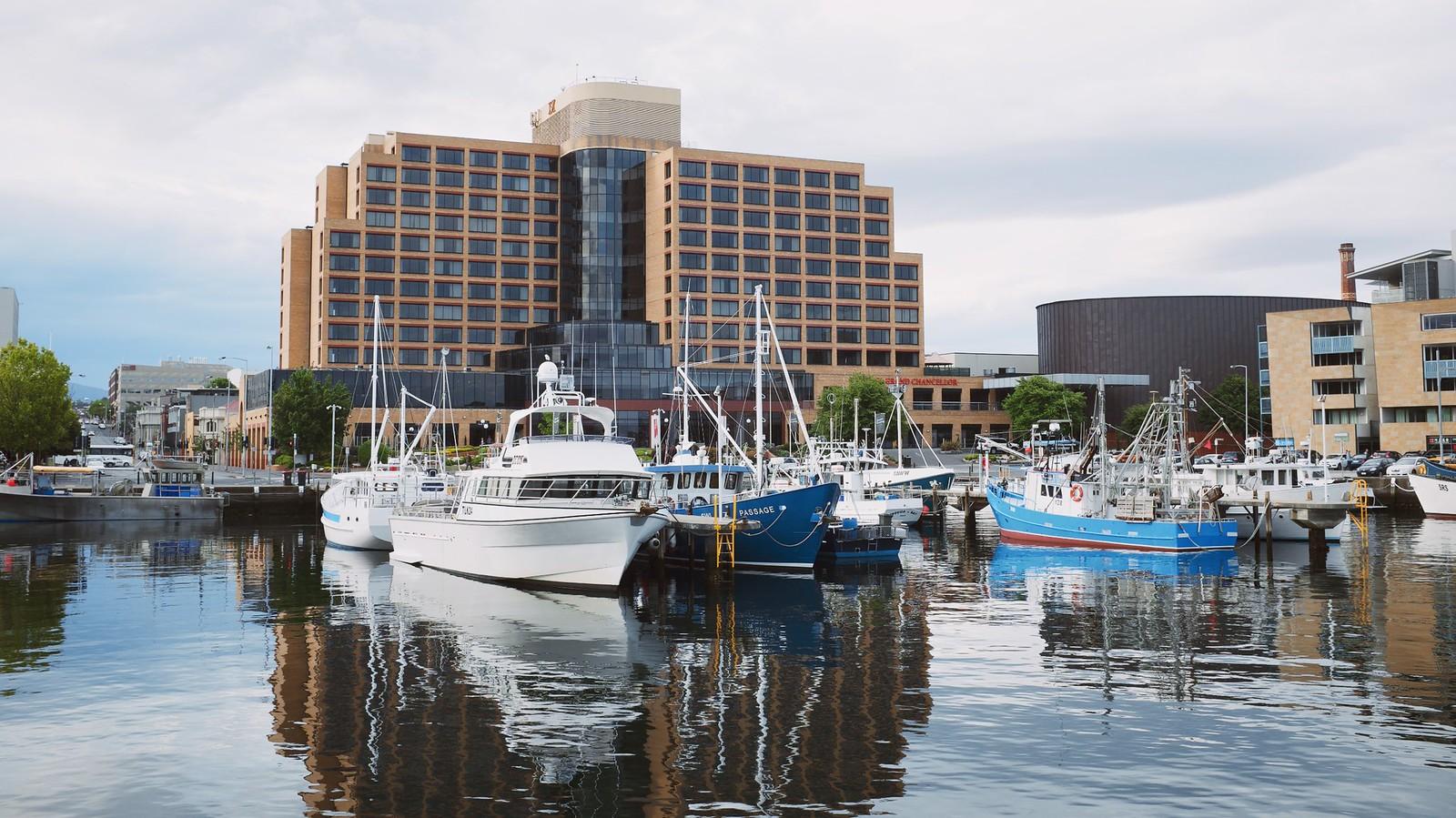
Hobart's inner-city neighbourhoods are pricing out the very workers who keep them running. Rental listings in South Hobart and Paddington now regularly exceed $450 per week for a modest two-bedroom, while median house prices in nearby New Town have climbed past $850,000 as of June 2026-figures that would have seemed unimaginable five years ago. For young professionals, service workers, and families on ordinary incomes, the arithmetic no longer adds up.
This matters now because Tasmania's housing crunch is finally forcing difficult conversations about who gets to live in the city. Unlike the property speculation gripping mainland capitals, Hobart's squeeze stems from genuine supply shortage. The state's rental vacancy rate sits at 0.8 percent, among Australia's lowest. Meanwhile, wages in Tasmania remain the second-lowest nationally, creating a widening gap between what locals earn and what their neighbourhoods cost.
The real numbers on inner Hobart
Elizabeth Street in North Hobart has become shorthand for gentrification's march. The strip, anchored by the North Hobart Community House and a cluster of cafes and galleries, now sees median asking rents of $480 per week for a one-bedroom apartment. The Salamanca Arts Centre, just south in Salamanca, remains a cultural hub and occasional source of community-rate rental schemes, but these fill within days. South Hobart's shopping precinct around Macquarie Street tells a similar story: three-bedroom houses rent for $520-plus weekly, nearly double what they commanded in 2022.
The numbers reveal the starkness. A single childcare worker earning Tasmania's median wage of $65,000 annually spends roughly 42 percent of gross income on rent in South Hobart-well above the conventional 30 percent threshold. Couple that with electricity costs averaging $240 monthly for winter heating, grocery bills running 8 percent higher than mainland averages, and transport expenses for the 47,000 daily commuters using Metro Tasmania buses, and the budget dissolves quickly.
Owner-occupiers face similar pressure. Entry-level houses in Glebe and Battery Point-streets with character but modest square footage-now list above $950,000. First National Real Estate's Hobart branch reported zero properties under $500,000 in June's inner-city inventory, a marked change from 2024 when roughly 15 percent of sales fell below that threshold.
Who stays, who leaves, and what help exists
Several landlords and community organisations have begun experimenting with affordable housing schemes. The Hobart City Council's Affordable Housing Charter, launched in 2025, committed to preserving at least 300 affordable dwellings by 2030, though projects remain in early planning. Private landlords participating in the National Rental Affordability Scheme receive tax incentives to rent below market rates-currently yielding roughly 40 rental properties statewide, a fraction of demand.
Outer neighbourhoods like Moonah and Glenorchy now absorb much of the overflow. Rents there average $350-380 weekly for comparable stock, and houses sit at $680,000-750,000. The tradeoff is straightforward: a 25-minute commute versus financial solvency. Bus fares from Glenorchy to the city centre cost $4.40 per trip, adding $400-450 monthly for full-time workers on fixed routes.
Before committing to an inner suburb, verify what services actually exist within walking distance. South Hobart has a supermarket, pharmacy, and two general practices within 400 metres of Macquarie Street. West Hobart's shopping centre, by contrast, closed two of its four anchor retailers in 2025, forcing residents north to Elizabeth Street or online. Childcare availability matters too-Paddington has one long-day care centre with a 18-month waitlist as of April 2026.
The practical advice is blunt: visit on a weekday morning and evening, not weekends. Walk the streets where you'd actually spend time. Check the local Facebook groups for neighbourhood complaints about parking, noise, or stormwater flooding-predictable issues often excluded from listings. Get a pre-purchase building inspection regardless of whether you're buying or renting. And if you're earning under $75,000, start your search in Glenorchy or Moonah first. The inner city might wait.