lifestyle
Market Traders Shape Hobart's Retail Soul and Community Connections
From Salamanca Place to neighbourhood farmers markets, the people behind the stalls tell the story of how Tasmanians actually shop and connect.
How we reported this
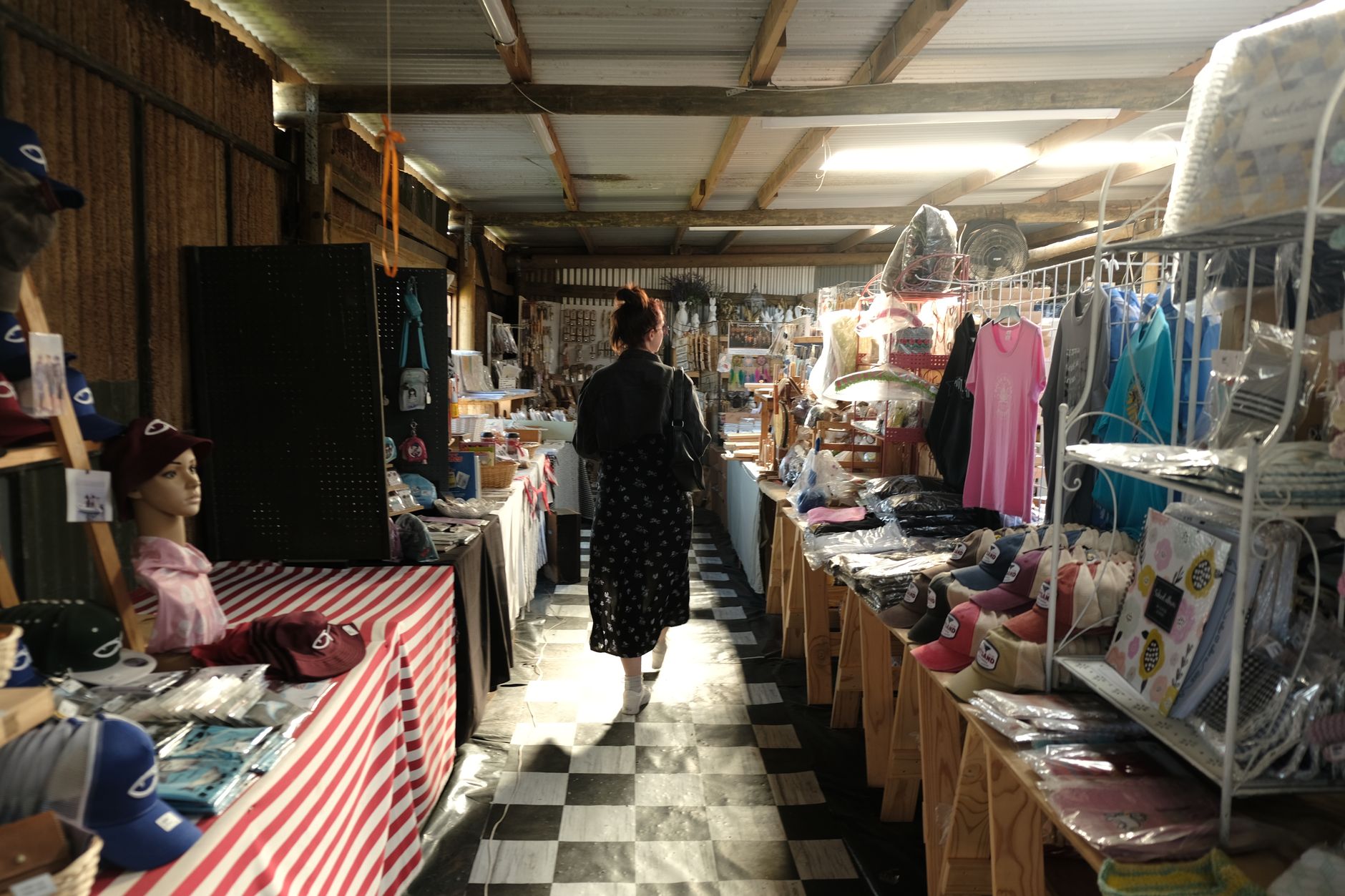
Walk through Salamanca Place on a Saturday morning and you're not just buying a bunch of organic kale or a hand-thrown ceramic bowl. You're meeting the person who grew the kale in a paddock near Cygnet, or the potter who fired that bowl in her studio on the Derwent Valley.
This is retail with faces attached-and it's become the backbone of how Tasmanians prefer to shop. While property prices cool across mainland Australia and first-time buyers hesitate over mortgages, Tasmania's local markets are experiencing a different kind of shift. People are stepping away from anonymous shopping centres and returning to spaces where they know the trader's name, their story, their farm location.
The Salamanca Market itself has operated every Saturday for nearly 40 years, but what's changed is the depth of customer relationships. Traders report regulars who've been buying from the same stall for a decade, who ask about the farmer's family, who plan their weekly meals around what's in season at the market. That's not transaction economics. That's community.
The neighbourhood network
Head north to the Launceston Farmers Markets on the first and third Saturdays at Royal Park, or south to the Cygnet Farmers Market, and you'll find the same pattern repeating. These aren't corporate operations. They're run by volunteers and small committees who've invested years building trust with both vendors and customers. The Cygnet market, which operates monthly on the village green, attracts traders from across the Huon Valley and brings tourists and locals into conversation about which orchardist has the best apples this season.
Hobart's growing inner-city markets tell another story. South Hobart's weekly street market on Sundays, the New Town Farmers Market operating at Schoolhouse Lane most Saturdays, and the emerging collection of pop-up stalls in Battery Point show younger traders entering the space-often people who've made the decision to leave structured retail employment to run their own food or craft business. A baker working Salamanca now might have left a corporate role three years ago. A jeweller at New Town might run her practice from a home studio during the week.
Shifting retail patterns
The scale matters. Tasmania's markets collectively move hundreds of thousands of dollars annually through small vendors, according to estimates from market coordinators. Salamanca alone attracts 10,000-15,000 visitors on busy Saturdays, with around 270 registered stalls rotating through the year. That's not boutique activity-that's an economic engine that's outperforming traditional main street retail in several neighbourhoods.
Meanwhile, foot traffic through standard shopping centres has declined steadily. Several Hobart shopping arcades have seen vacant storefronts increase since 2023. Compare that to Elizabeth Street on a Saturday morning, where the line stretches from 7am as traders set up, or the queues at the fruit and vegetable stalls during winter months when blackberries and brussels sprouts are cheapest.
What's driving this shift is partly practical. A bundle of purple-top turnips at Salamanca costs $4-5. A bunch of organic spinach runs $5-6. That competes favourably with supermarket pricing, but with the added benefit that you know who grew it. Younger traders report that their customers specifically ask about farming methods, soil management, seasonal rotation-details that matter when you're spending your household food budget intentionally.
If you're planning your winter shopping around what's actually good value this month, the markets are where to start. Check which traders will be at Salamanca on your local Saturday, or time a visit to New Town for their mid-week sessions. The produce is fresher, the prices are competitive, and honestly, the conversation beats anything you'll get in a shopping centre. That's not nostalgia talking-that's just where Tasmanians are actually choosing to shop right now.