lifestyle
The faces reshaping Hobart's neighbourhoods: how community builders are rewriting inner-city life
From Salamanca to South Hobart, ordinary residents are turning quiet streets into thriving hubs-and they're doing it without waiting for the government to act.
How we reported this
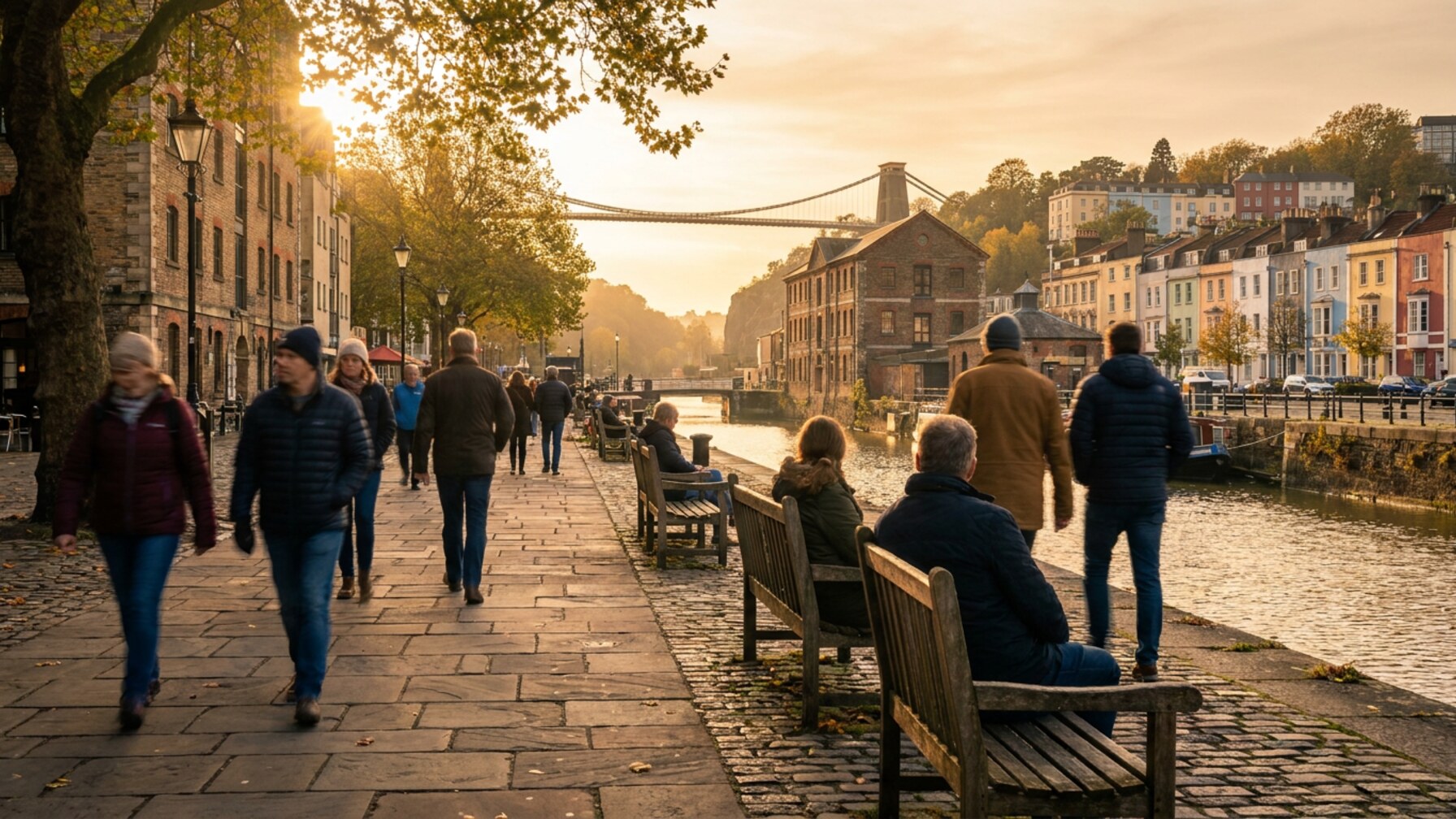
Walk down Goulburn Street on a Friday evening and you'll find something Hobart's property boom hasn't yet erased: people who actually know their neighbours. The shift is deliberate, born from frustration as much as ambition. Inner-city Hobart has spent the last five years watching young professionals price out long-term residents, gentrification accelerate, and the social fabric that held neighbourhoods together quietly fray.
Now residents across South Hobart, Salamanca, and Battery Point are fighting back by building community from the ground up. They're starting neighbourhood gardens, hosting street suppers, and creating informal networks that keep the human element alive even as median rents in central Hobart climbed past $450 per week last quarter. The movement matters because Tasmania's capital is reaching an inflection point. New arrivals chase lifestyle and access; older residents anchor memory and relationships. Neither wins if the two never actually meet.
Where strangers become neighbours
The Community Gardens Hobart network now runs twelve plots across the inner suburbs, with the South Hobart reserve on Warwick Street operating at full capacity since early 2025. Each bed tells a story. Retired teachers grow heirloom tomatoes. Recent migrants from Karen State grow bok choy and chillies they couldn't find in supermarkets. Families with no yard of their own tend plots barely three metres across. On plot-tending days, the garden becomes a three-hour conversation where nobody checks their phone.
Across in Salamanca, the Neighbours Project-a volunteer initiative that launched eighteen months ago-mapped every street between Elizabeth and Murray Streets and knocked on doors. The goal was simple: get people talking. The coordinator trained volunteers to listen rather than pitch. Within four months, forty households were linked to a shared messaging group. By June 2026, that number hit 187. The group organises bulk food buys from Salamanca Market on Saturday mornings, shares recommendations for local tradespeople, and last winter coordinated meal trains for three households hit by illness.
Neither initiative waited for a government grant or official blessing. Both started because someone looked around their street and decided isolation wasn't inevitable.
What the numbers reveal about inner-city loneliness
The impetus behind these grassroots efforts is backed by hard data. A 2025 survey from the Tasmanian Council of Social Services found 34 percent of inner-Hobart residents reported feeling socially isolated, a figure that jumped to 48 percent among renters who'd lived in their neighbourhood less than two years. The disconnect between soaring property values and declining social connection isn't accidental. As housing costs rise, residents churn faster. When nobody stays, nobody builds relationships. When relationships don't form, neighbourhoods feel like hotels rather than homes.
The Battery Point Residents Association has begun documenting this shift through their own quarterly surveys. In 2023, seventy-one percent of residents could name three neighbours by first name. By June 2026, that figure had dropped to fifty-eight percent. The data prompted the association to launch regular street events-a monthly wine and cheese gathering on Cascade Street, a summer film series in Hampden Road Reserve.
The barrier to entry remains steep for newcomers. Median house prices in South Hobart sit at $1.2 million as of mid-2026. Rental stock turns over quickly, meaning the people who could most benefit from community infrastructure-young families saving for a deposit, international workers on temporary visas, people relocating for work-often lack the stability or confidence to invest time in neighbourhood building.
Yet something is shifting. The residents taking on community roles aren't waiting for perfection. They're showing up with practical solutions: a shared tool library at South Hobart Primary's community room, a street-level little library on Goulburn Street with 200 books rotating monthly, a rotating roster of neighbors who water garden beds during holidays.
If you're new to Hobart, the invitation is there. Show up to South Hobart Community Gardens on Wednesday evenings. Join the Salamanca messaging group-ask a neighbour for the link. Attend the next Battery Point street gathering. These places aren't exclusive. They're just waiting for one more person who's tired of living beside strangers.