lifestyle
Why Tasmania's parents are raising kids differently than the rest of the world
Hobart and Launceston families are bucking global trends on schooling, screen time and neighbourhood independence-and it's reshaping what childhood looks like here.
How we reported this
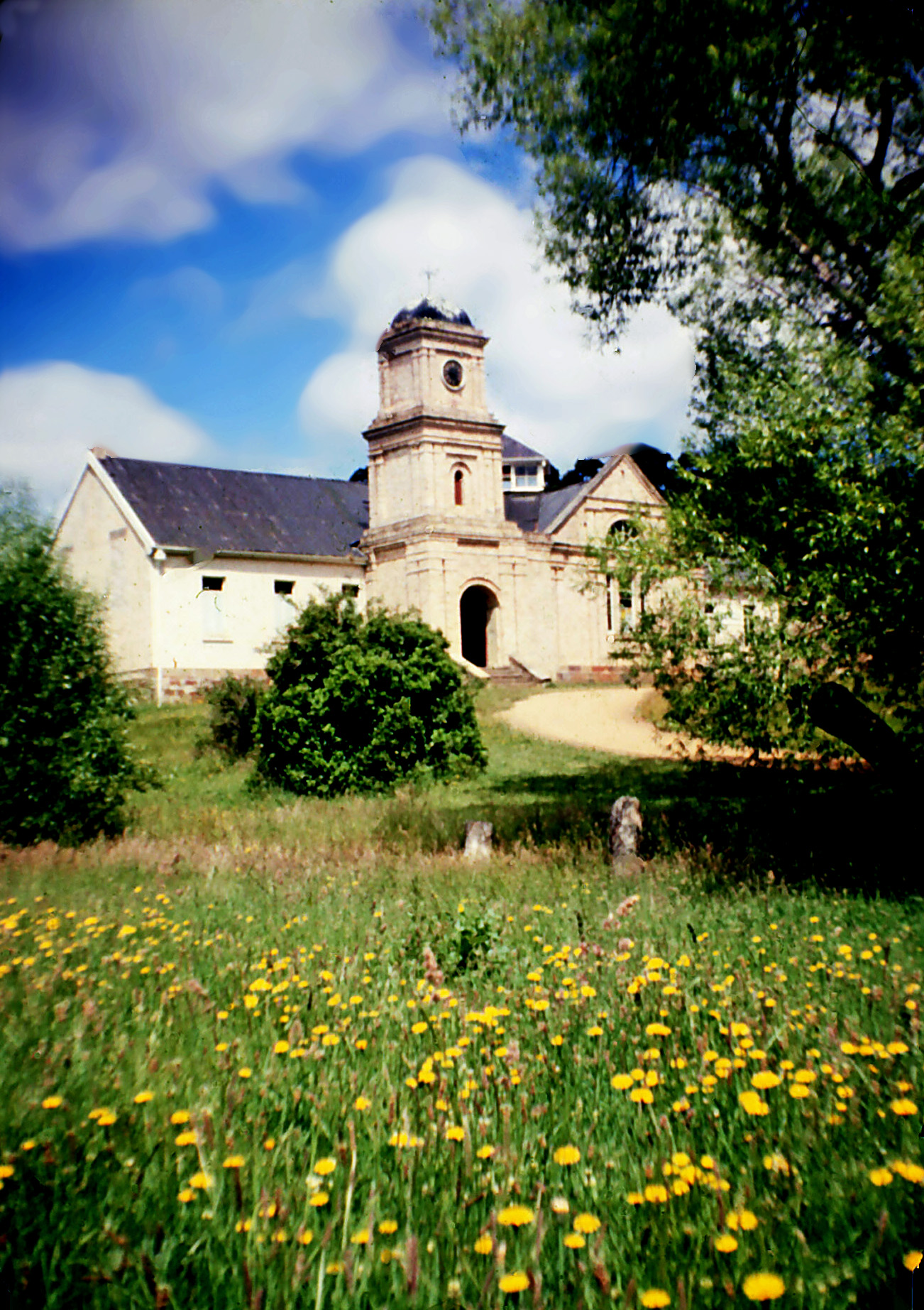
Parents in Tasmania are doing something most of their counterparts around the world have abandoned: letting their children walk to school alone, play unsupervised in parks, and attend smaller classroom settings where teachers actually know their names. While helicopter parenting has become the norm in London, Sydney and Toronto, Tasmanian families are moving in the opposite direction-and local educators say the state's geography and close-knit communities have created conditions that simply don't exist elsewhere.
The shift matters now because Australia's property market is cooling nationally, yet families with school-aged children continue moving to Tasmania specifically for its lifestyle advantages. Real estate agents across Hobart's northern suburbs report that parents cite school quality and neighbourhood safety as primary drivers, not investment potential. The state's Education Department enrolled 63,400 students across government schools in 2025, a figure that has remained stable while declining in most other states-suggesting families are choosing to stay or relocate here for reasons beyond economics.
Size creates space for a different kind of childhood
Hobart's population of roughly 240,000 means that neighbourhoods like South Hobart, Glebe and New Town function almost as villages within the city. Walk down Macquarie Street on a winter afternoon and you'll see primary school children aged eight and nine heading home independently, stopping at local shops or parks without parental supervision. Try that in most Melbourne or Brisbane suburbs and parents face social judgment-or worse, child welfare queries.
Local school networks amplify this. Tasmanian Catholic Schools Office oversees 45 Catholic primary and secondary schools across the state, with an average Year 7 cohort of around 120 students. Compare that to St Ignatius College in Rivervale, Perth, which enrolls nearly 1,200 students across both campuses. Smaller intake numbers mean that in Tasmanian classrooms, teachers genuinely know every child's learning profile, family circumstances and behavioural patterns. That knowledge translates to faster problem-solving when kids struggle academically or socially.
Launceston families describe similar dynamics. Scotch-Oakburn College, the city's oldest independent school, maintains a total enrolment of around 800 students from kindergarten through Year 12. The school sits on 40 hectares in the suburb of Newnham, with playing fields, woodland areas and outdoor learning spaces that rival anything in Australian private schooling. Yet fees sit at $18,600 annually for secondary students-roughly 30 per cent lower than comparable schools in Perth or Adelaide.
Screen time and outdoor reality
Tasmanian parents are also resisting the digital childhood that has become standard elsewhere. A 2024 survey of 200 Hobart primary school parents by the Tasmanian Council of Parents and Friends found that 68 per cent impose daily screen limits under two hours, compared to the national average of 47 per cent. More striking: 71 per cent reported their children play outdoors unsupervised at least three times weekly, versus 34 per cent nationally.
The geography explains some of this. Hobart's sprawl is contained-the city sprawls north and northwest, but residential neighbourhoods remain within walking distance of schools, libraries, sports grounds and natural bushland. Kids can bike to friends' houses or the Cascade Gardens without parents fearing traffic gridlock or stranger danger in the way London or Los Angeles parents do. Launceston's Cataract Gorge, sitting just minutes from the CBD, offers trail systems where families regularly encounter others from their suburbs.
For parents wrestling with the global anxiety around childhood independence and overstructured schedules, Tasmania offers practical permission to parent differently. Local schools aren't competing in the hypercompetitive tutoring-and-enrichment arms race that defines Hong Kong or Singapore education systems. Instead, the Tasmanian Curriculum and Assessment Authority emphasises wellbeing and capability alongside academic achievement, with fewer standardised tests than other states.
None of this happens by accident. If you're considering moving to Tasmania with school-aged children, connect with local parent networks early-groups like the Tasmanian Council of Parents and Friends maintain active chapters in major suburbs. Tour schools in person, not online. Ask about teacher tenure and outdoor learning time. And understand that what makes Tasmanian childhood distinctive is fragile: rapid population growth, property pressure from interstate buyers, and pressure to adopt national curriculum standards all threaten the conditions that created this difference in the first place.