lifestyle
Moving to Tasmania: the cost, access and everything you need to know before going
Hobart's property market is cooling fast, rental vacancy is tight, and your job prospects depend on timing. Here's what expats should budget for before making the move south.
How we reported this
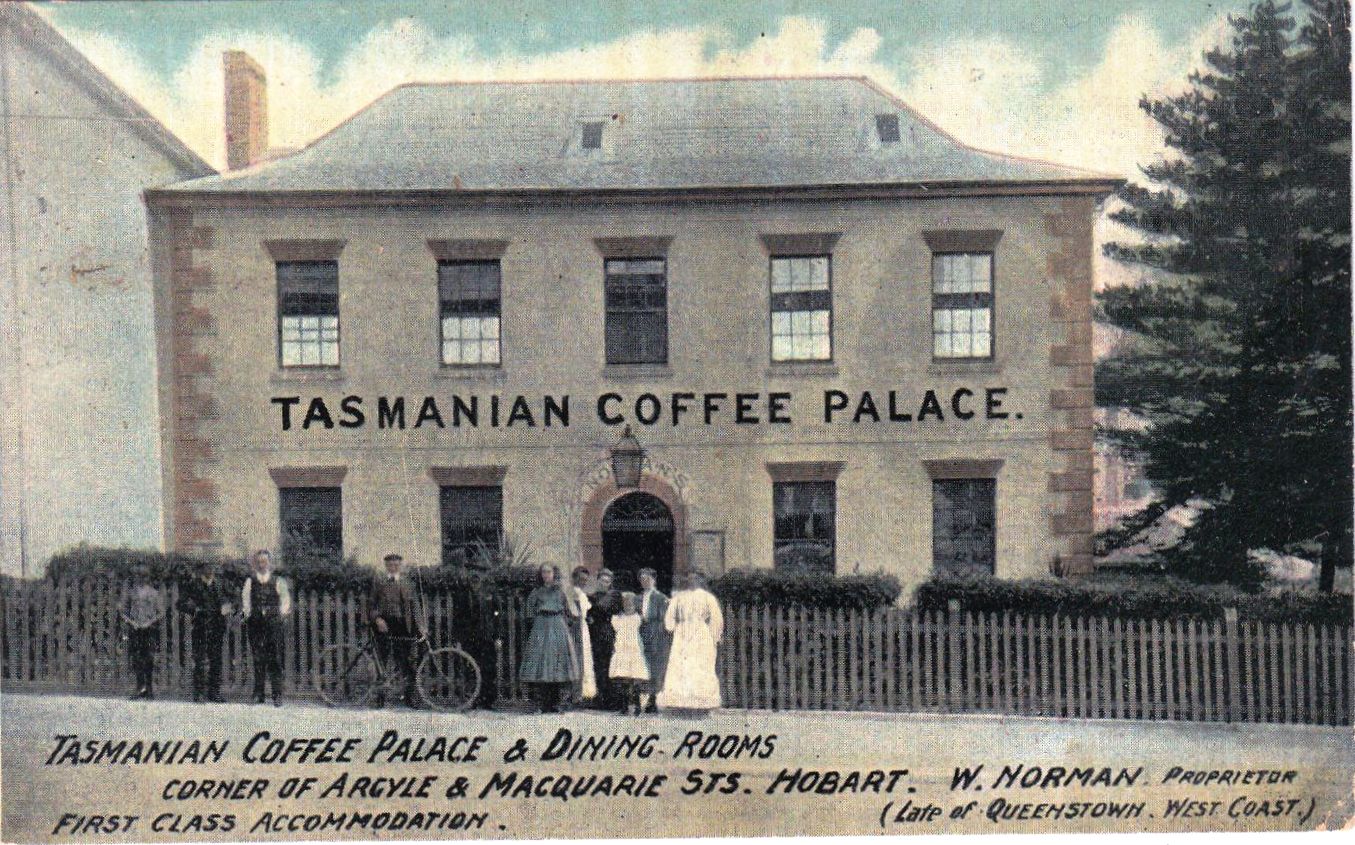
Tasmania's reputation as a lifestyle destination has drawn increasing numbers of interstate and international relocators over the past three years, but the reality of settling here is far messier than the Instagram posts suggest. Property prices, while falling statewide, remain stubborn in Hobart's inner suburbs. Rental availability hovers near crisis levels. And unless you've already secured work, you'll be competing in a job market that's substantially smaller than what you've left behind on the mainland.
The timing matters. National property data released this week shows first home buyers are pulling back across Australia, but Tasmanian markets are responding differently depending on location. Hobart's median house price has edged down 3 percent since 2024, according to Real Estate Institute of Tasmania figures, yet inner-city pockets like South Hobart and Battery Point remain stubbornly expensive. Glenorchy and Lindisfarne have seen sharper corrections-closer to 7 percent-making them more accessible for newcomers, though the trade-off is longer commutes and fewer walkable amenities.
Renting first is smarter than you think
Most migration agents advise expats to rent for at least six months before buying. That's practical wisdom, not caution. Hobart's rental vacancy rate sits at 0.8 percent, meaning your options are genuinely limited. A two-bedroom apartment in the CBD costs between $480 and $620 per week. North Hobart drops to $420-$540. Outer suburbs like Kingston offer relief at $350-$420 for similar space. The Tasmanian Tenancy Tribunal handled over 1,200 disputes last year, many involving newcomers unfamiliar with rental protections under Tasmania's Residential Tenancies Act 1997.
Your employment search should begin before you move. Tasmania's job market is concentrated. Health, education, and hospitality dominate, with government agencies (including the Department of State Growth) offering the most stable positions. If your career sits outside these sectors-software development, finance, specialist consulting-you'll likely need established remote work or be prepared for significant salary adjustments. The Tasmanian unemployment rate was 3.9 percent in May, lower than the national average, but that masks a skills shortage in specific fields rather than general opportunity.
Budget for the practical reality
Newcomers consistently underestimate transport costs. Hobart's public transport system is functional but limited compared to mainland cities. A weekly transit pass costs $21.70; most locals budget for a car. Petrol prices track national averages, but car registration is cheaper than Victoria or NSW (around $180 annually for a standard vehicle). Groceries are 2-4 percent more expensive than Melbourne, though winter produce-blackberries and brussels sprouts are in season right now and represent genuine value at farmers markets-can offset some costs if you plan meals seasonally.
Schools vary wildly. State schools cost nothing; private institutions like Hutchins School ($15,000-$25,000 annually depending on year level) sit at the premium end. Healthcare access through Medicare is standard, but specialist appointments often involve months-long waits, and some practitioners bulk-bill inconsistently.
Start with the Tasmanian Skills Registration Authority if you're credentialed in regulated fields like nursing, teaching, or trades. Professional recognition can take 8-12 weeks. Contact the Migration Tasmanian program run through the state government if you're considering sponsorship pathways; they maintain updated listings of skilled occupations in demand. And don't underestimate the psychological adjustment. The commute from Melbourne to Hobart isn't just geographic-it's a shift from constant career churn to smaller professional networks where reputation matters more and reinvention is harder. That's liberating for some and claustrophobic for others. Spend time here first.