lifestyle
Tasmania's Cool Climate Gives Growers Edge Over Sweltering Mainland Australia
As mainland cities swelter through record temperatures, Hobart's growing season is becoming a rare advantage in the global food trade.
How we reported this
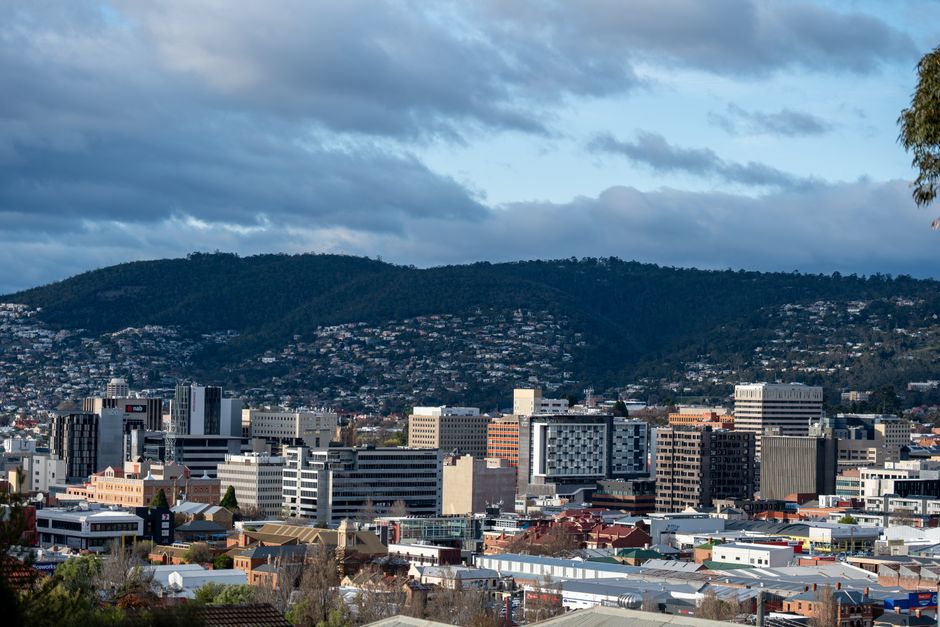
Tasmania's winter vegetable harvest is ramping up just as Sydney records its hottest June since 1859. The timing is no accident. While Melbourne and Brisbane face wilting crops under punishing heat, farmers across the island state are reaping blackberries, brussels sprouts, and leafy greens that command premium prices in markets from Melbourne to Tokyo.
This climate advantage is reshaping Tasmania's identity. For decades, the state was known for apples and tourism. Today, it's quietly becoming Australia's answer to temperate food regions like New Zealand's Waikato or California's coastal valleys. The difference is geography: an island surrounded by cool Southern Ocean currents, positioned at 42 degrees south latitude, where summer temperatures rarely exceed 25 degrees Celsius.
At Salamanca Market in Hobart every Saturday, the evidence is visible. Local growers like those from the South Hobart farms and producers operating from the Coal Valley region near Cygnet are moving volume that would be impossible on the mainland. Shoppers pay $6 to $8 per punnet for local berries when imported alternatives cost less, because they know the produce arrived that morning.
The Mainland Heat Changes Everything
The climate crisis reshaping Australian agriculture has handed Tasmania an unexpected gift. Sydney's June heatwave-temperatures hit 32.1 degrees Celsius, breaking records set in 1859-destroyed or severely stressed summer crops across New South Wales. Victorian farmers reported water restrictions limiting irrigation to three days per week. Queensland faced crop failures from Lockyer Valley to the Darling Downs.
Tasmania's Department of State Growth released figures in May 2026 showing vegetable production up 18 percent compared to the same period last year. More significantly, export revenue from cool-season crops jumped 34 percent. A single container of organic brassicas shipping to Melbourne wholesalers now fetches $3,200, compared to $2,100 two years ago. Japanese importers are actively sourcing Tasmanian berries to replace New Zealand supplies affected by their own drought cycles.
What makes this shift distinctive isn't just the numbers. It's the infrastructure catching up. The Cool Change agribusiness network, based in Launceston, now coordinates 47 growers across the north and south. The University of Tasmania's Tasmanian Institute of Agriculture at Newnham is running trials on climate-resilient cultivars specifically suited to Tasmania's microclimate. The produce hub at Docklands, Hobart's working waterfront precinct, now operates as a distribution center 24 hours a day, five days a week.
Compare that to Sydney's infrastructure. Haymarket in the city's west operates limited hours and struggles with congestion as demand outpaces capacity. Brisbane's produce markets rely on refrigerated trucking from inland regions, adding 48 to 72 hours to shelf life. Hobart's dockside location means growers can ship fresh produce to southern capitals within 12 hours of harvest.
A Different Kind of Agriculture Brand
The global food trade is moving toward regionality and climate resilience. Tasmania's cool climate isn't a side note-it's becoming a primary selling point. Chefs in Melbourne are requesting "Tasmanian grown" on winter menus the way San Francisco restaurants specify California sourcing. Organic certification bodies report a 42 percent increase in applications from Tasmanian farms since 2024.
This advantage will likely deepen as mainland Australian temperatures continue climbing. The Bureau of Meteorology's long-range forecasts suggest Tasmania's growing season may extend by three weeks by 2030. That's worth roughly $85 million in additional production capacity annually, based on current pricing.
For anyone watching Australian agriculture shift, Tasmania's transformation is worth tracking. The state isn't trying to compete with Queensland's scale or New South Wales' infrastructure. Instead, it's building an entirely different business model: one where cool weather isn't a limitation, but the core competitive advantage. That's a distinction that separates Tasmania from every other food-producing region on the continent.