lifestyle
Faces of Tasmania: Stories Rooted in Community Spirit and Local Initiative
From Hobart’s bustling Salamanca Market to Burnie’s art trails, Tasmanians shape their city through resilience and creativity.
How we reported this
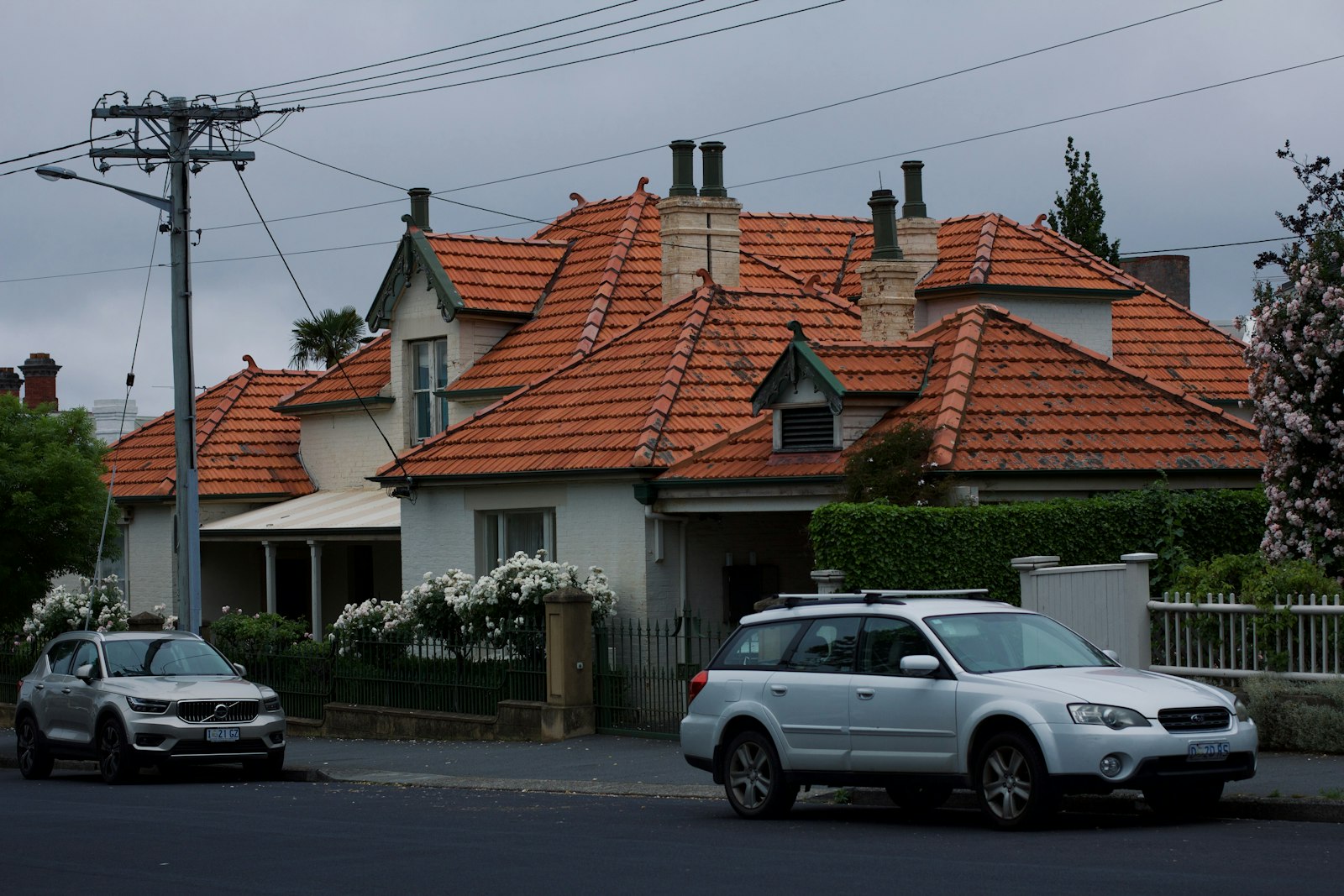
Tasmania’s identity continues to be defined by the diverse stories and initiatives of its residents, who invest heart and soul into their communities, enriching the island’s rich cultural tapestry. From dedicated local entrepreneurs in Hobart’s Salamanca precinct to grassroots artists revitalizing Burnie’s waterfront, it’s the people here who bring life and colour to Tasmania’s evolving landscape.
Community voices shaping the island
This focus on people and places matters now more than ever. The state is experiencing a renewed push for economic growth driven by local enterprise as well as sustained interest from interstate migrants. The Tasmanian government’s recent “Our Tasmania 2030” plan highlights community involvement as key to sustainable development, placing emphasis on social cohesion alongside economic diversification. By spotlighting real stories and faces, the state ensures policies resonate with those they aim to serve rather than remain abstract concepts.
One example is Salamanca Market on Hobart’s waterfront, which celebrated its 45th anniversary this year. The market hosts over 300 stalls every Saturday, supporting artisans, food producers, and musicians, many of whom have been family-run for generations. Just a short drive away, the revitalisation of Burnie’s coastal precinct through the Makers’ Workshops and the Burnie Art Gallery demonstrates how investment in local creators fosters economic resilience and enhances community wellbeing.
Data that highlights the impact
According to Tourism Tasmania, visitor numbers to Hobart increased by 12% in the first half of 2026, many citing Salamanca Market as a must-see experience. The Tasmanian Small Business Council reports that businesses linked to arts and crafts in Burnie have seen a 15% revenue growth this year, reflecting growing support for local producers and cultural tourism. On the social front, more than 65% of participants in community programs run by the Tasmanian Community Fund have linked improved mental health and social connection directly to engagement in local neighbourhood projects since 2024.
With real estate prices in central Hobart stabilising after a period of rapid inflation, local entrepreneurs find the environment more conducive to sustainable growth. The median house price on Battery Point street, a historic Hobart suburb known for its community-oriented atmosphere, has settled around $980,000 as of June 2026, making ownership more accessible to long-term residents.
Looking ahead, residents interested in participating or supporting these community-driven initiatives can connect through platforms like the Tasmanian Community Fund or attend monthly forums held at the Hobart Town Hall and Burnie Civic Centre. Upcoming events such as the Burnie Makers’ Market on July 18 and Salamanca Arts Festival preparations offer tangible ways for locals and visitors alike to engage directly with the people who make Tasmania vibrant and unique.