lifestyle
Battery Point’s culinary transition: How the historic district’s dining scene is evolving and changing
A wave of new, small-scale artisan producers is shifting the character of Hobart’s oldest suburb away from traditional tourism staples.
How we reported this
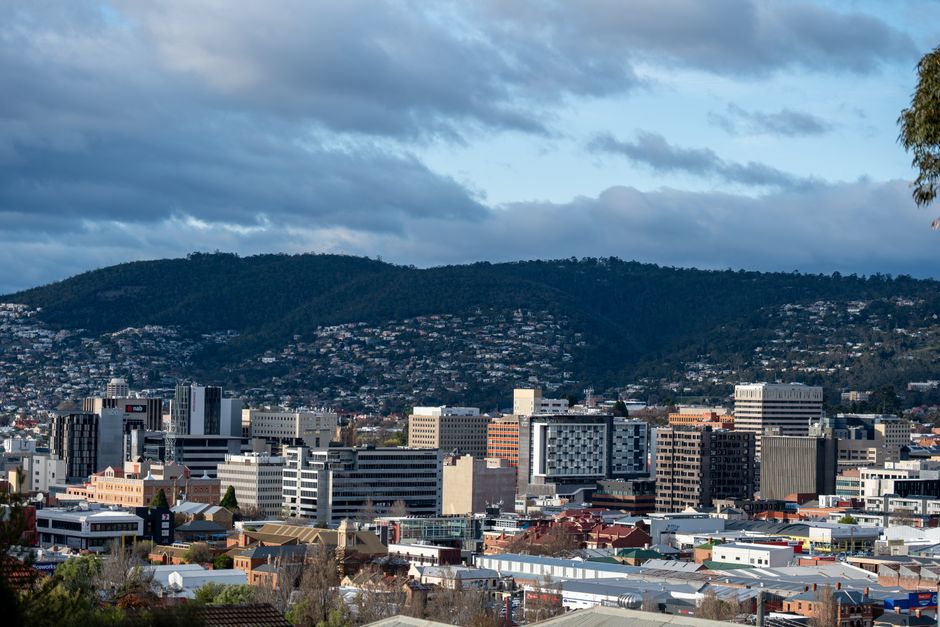
The cobblestone streets of Battery Point are undergoing a quiet, deliberate transformation as heritage architecture pivots from static historic displays to high-density boutique hospitality. Recent planning permits lodged with the Hobart City Council indicate a 15% rise in applications for micro-scale food and beverage operations along Hampden Road since the beginning of 2026, marking a significant shift in how the district serves both residents and visitors.
From tourist relics to local hubs
For decades, the area relied on the charm of Arthur Circus and the maritime history of the Narryna Heritage Museum to draw crowds. Today, that narrative is being rewritten by independent operators who are opting for intimate, high-concept spaces over large-scale restaurant footprints. Organisations such as the Battery Point Community Association have noted a push toward sustainable, walk-up service models that cater to local foot traffic rather than motor-coach tourism. This shift is particularly visible at the intersection of Hampden and De Witt streets, where vacant cottage storefronts are being converted into specialized fermentation labs and independent coffee roasteries.
The economics of the lane
Data provided by the Tasmanian Department of State Growth reveals that average commercial lease rates in the area have climbed to approximately $850 per square meter, yet the churn of tenants has decreased significantly in the last six months. This suggests that the current wave of businesses-many focused on niche offerings like single-origin sourdough or small-batch Tasmanian gin-are finding a sustainable foothold. The precinct is no longer just a weekend destination; it has become a testing ground for culinary entrepreneurs who are leveraging the high density of residential apartments surrounding the nearby Salamanca Place.
Property owners are increasingly moving away from long-term national retail chains in favor of local partnerships, a trend supported by recent updates to the Hobart Interim Planning Scheme. For those living in the area, this means the neighbourhood is reclaiming a residential utility that was lost during the tourism boom of the early 2020s. Residents looking to navigate these changes should monitor the Hobart City Council’s online portal for upcoming hearings regarding the proposed 'Hampden Lane Improvement Project', which aims to increase outdoor seating capacity for these new businesses by early 2027.