lifestyle
Hobart’s Waterfront Shift: How The Sullivans Cove Precinct Is Evolving And Changing
A transformation of Tasmania’s primary maritime hub is reshaping how locals access the harbour as long-standing industrial zones give way to new commercial and public spaces.
Listen in English · 4 min
How we reported this
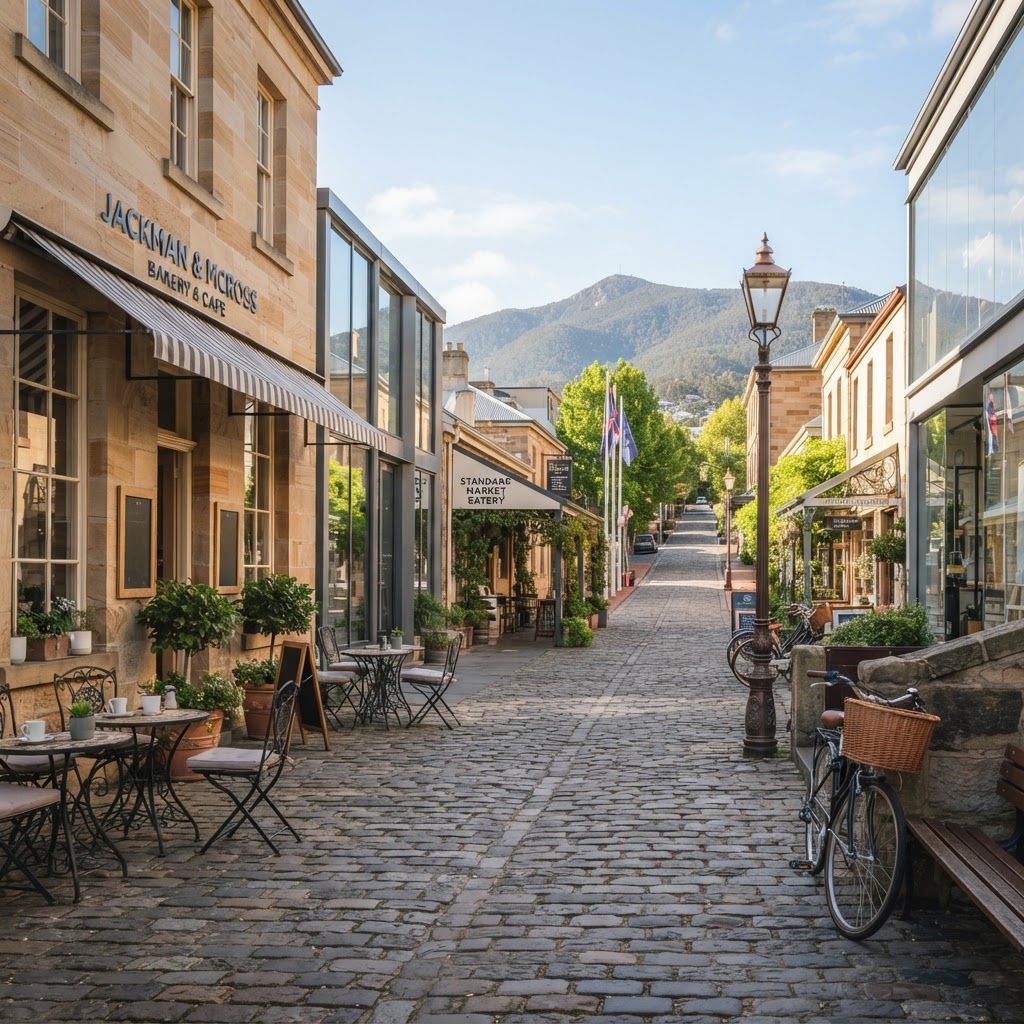
The Sullivans Cove waterfront is undergoing a significant transformation this month, with construction barriers moving into the final stages near the Elizabeth Street Pier. This evolution of the Hobart coastline reflects a broader push to reclaim industrial harbor space for public use, shifting the focus from strictly logistical shipping operations to a dense mix of hospitality and pedestrian-first infrastructure.
This shift is more than cosmetic. For decades, the waterfront served primarily as a working port for the fishing fleet and Antarctic supply vessels. As tourism and local foot traffic have increased, the Hobart City Council and the Tasmanian Ports Corporation have been forced to balance the operational requirements of a deep-water port with the growing demand for public amenities. The current reconfiguration of the area aims to address these competing interests by widening the thoroughfare connecting the waterfront to the city’s central business district.
New Infrastructure And Commercial Growth
Specific developments are already visible near the Customs House and the area fronting the Mures complex. Recent planning records indicate that the focus has shifted toward upgrading paving and lighting to encourage evening activity, moving away from the previously fragmented layout. The project, overseen in part by the Macquarie Point Development Corporation, intends to better integrate the waterfront with the northern reaches of the city. Notable nearby venues like the Hope and Anchor Tavern and the historic buildings along Salamanca Place remain the primary anchors for this activity, but the recent push for wider pedestrian access suggests a permanent departure from the site's previous purely functional design.
The scale of this transition is reflected in the investment figures allocated to the waterfront rejuvenation. According to the 2026-2027 state budget papers, the government has earmarked approximately $42 million for ongoing coastal improvements and infrastructure maintenance across the greater Hobart harbor area. This funding follows a 12 percent increase in pedestrian traffic density measured by the City of Hobart’s own sensor program in the quarter ending March 2026. These numbers underscore a clear trend toward high-density use of the waterfront, which historically saw far lower levels of foot traffic during the off-season months of June and July.
As these changes take hold, residents can expect further disruptions to vehicular access along the waterfront corridor through the remainder of the year. The council has advised commuters that temporary parking closures near the pier will likely extend until late August, as crews complete the final resurfacing tasks. For those looking to navigate the area, current updates are available on the Hobart City Council website, which provides real-time mapping of restricted zones. The coming months will determine if this increased accessibility successfully alleviates congestion at the intersection of Hunter and Elizabeth streets, or if the influx of visitors will create new logistical challenges for the city’s transit planners.