lifestyle
The people stories and faces that make this place special
From the bustling markets of Salamanca to the hidden workshops of Moonah, Tasmania's community spirit defines our urban evolution.
How we reported this
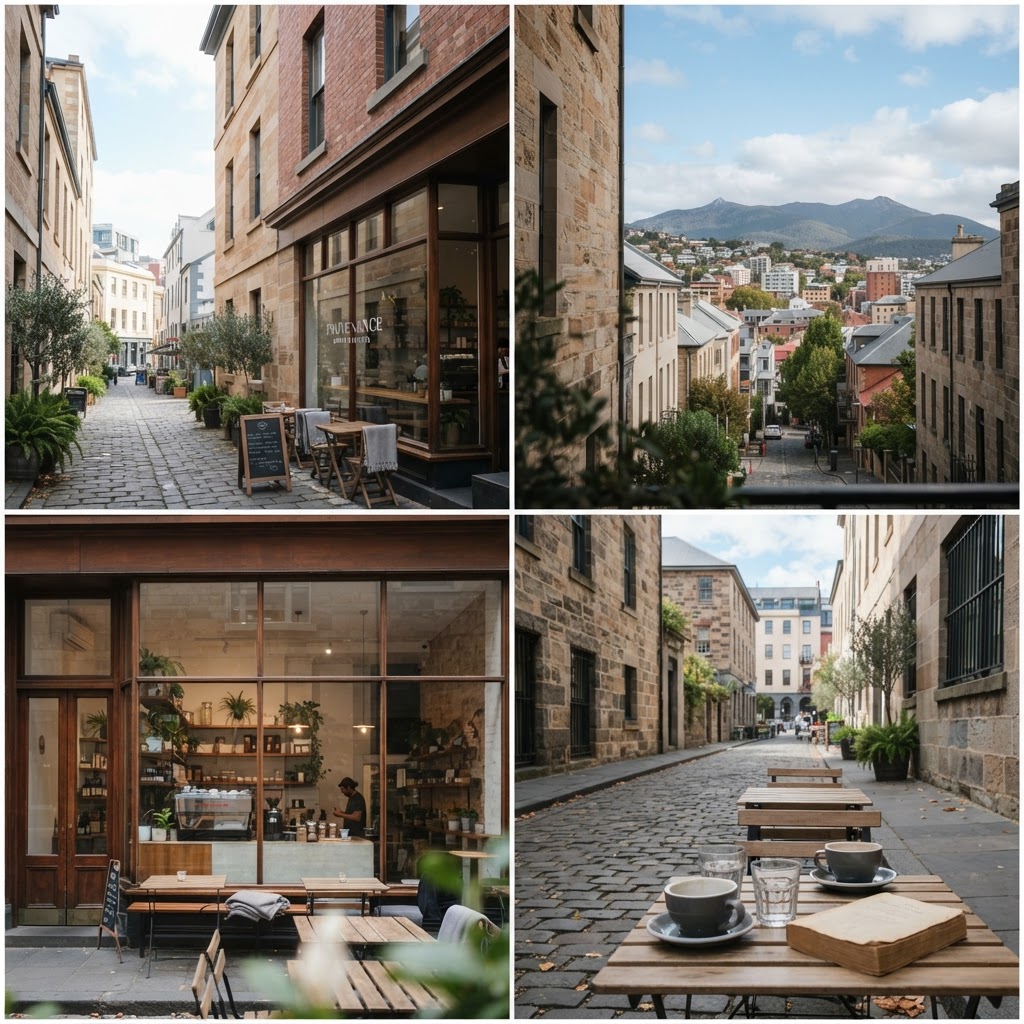
Hobart’s winter social calendar is defying the July chill as residents gather in record numbers for the annual Winter Feast preparations. While international headlines focus on legislative shifts in Sydney and debris washing up on Queensland shores, the heart of Tasmania continues to beat through the artisans and volunteers who turn our city squares into community hubs. This weekend, the focus shifts to the small-scale producers working out of industrial spaces in Moonah, proving that our reputation for world-class food is built on quiet persistence rather than corporate scale.
Community craft in the capital
The shift toward hyper-local craftsmanship is nowhere more visible than at the Hobart Twilight Market, which will host its mid-winter exhibition on Macquarie Street this coming Friday. Organizers from the Hobart Twilight Market association report that registration for local stallholders has increased by 14 percent compared to the same period in 2025. This growth signals a broader trend in how Tasmanians are choosing to spend their disposable income, prioritizing handcrafted goods over mass-market retail imports.
In the quiet workshops along Hopkins Street, furniture maker Elias Thorne is finalizing a series of Huon Pine commissions that have been in production since early March. His studio remains a hub for young apprentices seeking traditional woodworking skills, an area of vocational training that has seen a renewed influx of interest according to enrollment data provided by TasTAFE in their 2026 Skills Forecast. These mentorship programs provide a bridge between Tasmania’s industrial heritage and the demands of a modern, boutique economy.
Economic resilience and local growth
Data from the latest Tasmanian Bureau of Statistics report released June 28 indicates that the state’s hospitality sector saw a revenue uptick of 4.2 percent in the last quarter, driven largely by specialized food and beverage events held in regional hubs like the North Hobart restaurant precinct. Visitors are increasingly seeking out the "producer-to-plate" experiences that define the Murray Street dining scene. A standard artisanal coffee and locally-sourced breakfast in the city center now averages approximately $26, reflecting the premium Tasmanians are willing to pay for supply-chain transparency and local labor standards.
As the city looks toward the spring season, the focus turns to the expansion of public green spaces. The Hobart City Council has confirmed that the revitalization project for the Franklin Square gardens is slated to begin on August 12, with a budget allocation of $1.2 million to replace aging irrigation systems and introduce indigenous flora. Residents interested in the design plans can view the public consultation documents on the council’s official website. For those looking to support local makers, the upcoming Winter Craft Fair at the Goods Shed in Macquarie Point offers a chance to engage directly with the faces behind our burgeoning creative industries.