lifestyle
Why Hobart remains a global outlier in an increasingly homogenized world
While other major cities trade character for convenience, Tasmania’s capital continues to defy the global urban template.
How we reported this
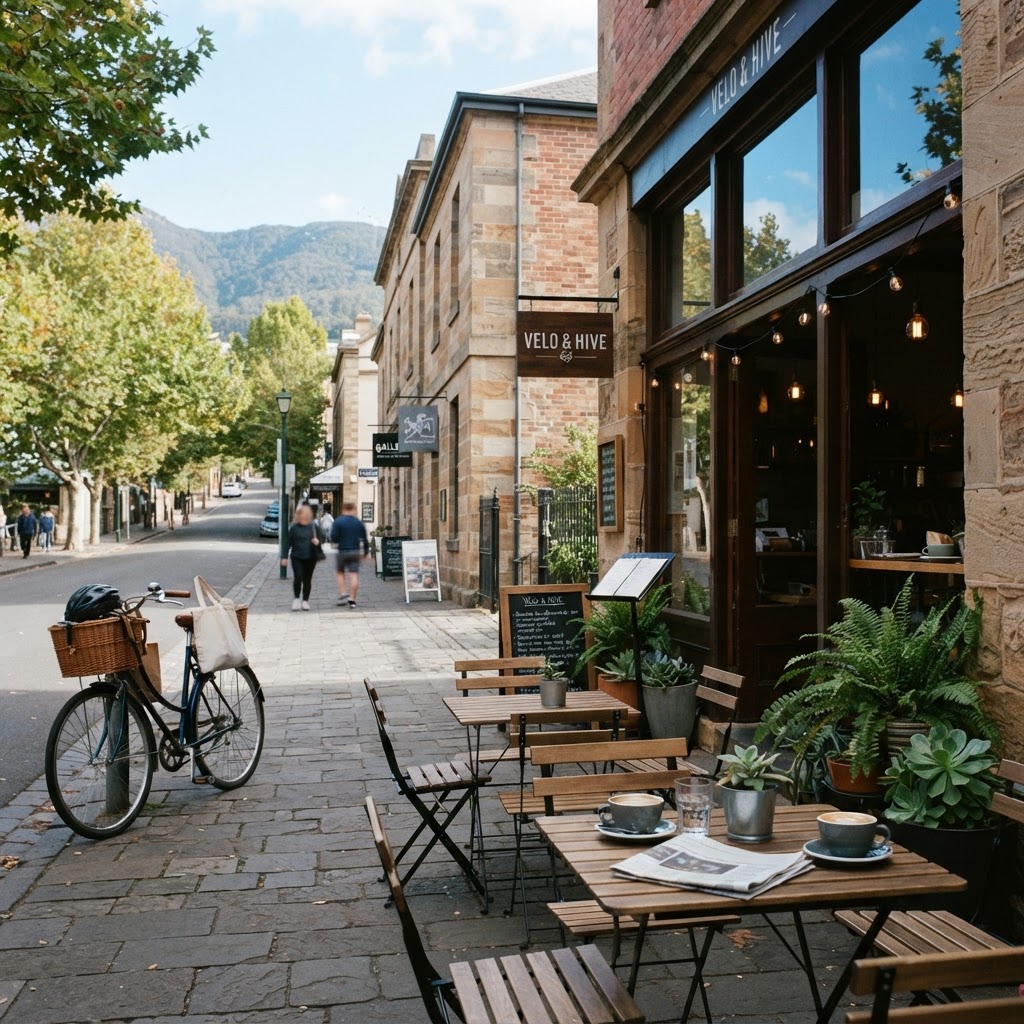
Hobart recorded its lowest population density growth among state capitals this quarter, reinforcing a local ethos that prioritizes architectural preservation over high-rise density. As global cities increasingly resemble one another through glass-paneled skyscrapers and uniform retail chains, Tasmania’s capital retains a distinct character anchored by its colonial heritage and geographic isolation.
The economics of preservation
Development applications for the Battery Point precinct remain under the strictest oversight by the Hobart City Council, which continues to uphold height restrictions originally codified in the 1970s. Unlike the rapid vertical expansion seen in Sydney or Melbourne, the local Planning Scheme 2015 maintains a deliberate freeze on modern structural footprints in heritage-zoned areas. This commitment prevents the erosion of the city’s 19th-century streetscapes, creating a tangible contrast to international counterparts that often sacrifice historical centers for commercial real estate capacity.
The preservation strategy extends to the culinary landscape, where the Hobart waterfront acts as a primary incubator for small-batch producers. According to the Tasmanian Hospitality Association's 2026 industry report, over 85% of businesses operating within the Sullivans Cove district remain independently owned, a figure that dwarfs the small-business retention rates seen in other Australian state capitals. Venues such as the Mures Fishing Tasmania complex on Victoria Dock and the nearby Peacock and Jones restaurant on Hunter Street illustrate a persistent local preference for regional supply chains that source directly from the Derwent Estuary and local agricultural hubs.
Data-driven distinctiveness
Financial metrics from the June 2026 quarterly update provided by the Tasmanian Department of State Growth indicate that tourism expenditure reached $3.4 billion for the year, with 72% of visitors citing the "preserved historical atmosphere" as a primary motivation for travel. This is supported by data from the Australian Bureau of Statistics, which notes that Hobart's median house price growth in the Sandy Bay and North Hobart postcodes has decoupled from the mainland volatility seen in Brisbane or Perth. While the average entry price for a detached home in Sandy Bay currently hovers near $1.1 million, the stability of these prices reflects a limited supply of heritage housing that cannot be replicated through new builds.
Looking ahead, the City of Hobart has scheduled a council review for August 15, 2026, to discuss the expansion of green buffer zones near Mount Wellington. Residents concerned about the encroaching development of urban fringe areas should monitor the council’s public registry for the upcoming planning amendments. The ongoing challenge for Hobart officials will be balancing the economic necessity of housing growth with the specific urban identity that keeps the city a global outlier, preventing the slow creep of standardized, characterless urban planning from reaching the island’s shores.