lifestyle
Inside look at the neighbourhood character and community vibe
From the revitalized piers of Hobart to the quiet corners of Launceston, we track the shifting pulse of Tasmania’s urban enclaves.
How we reported this
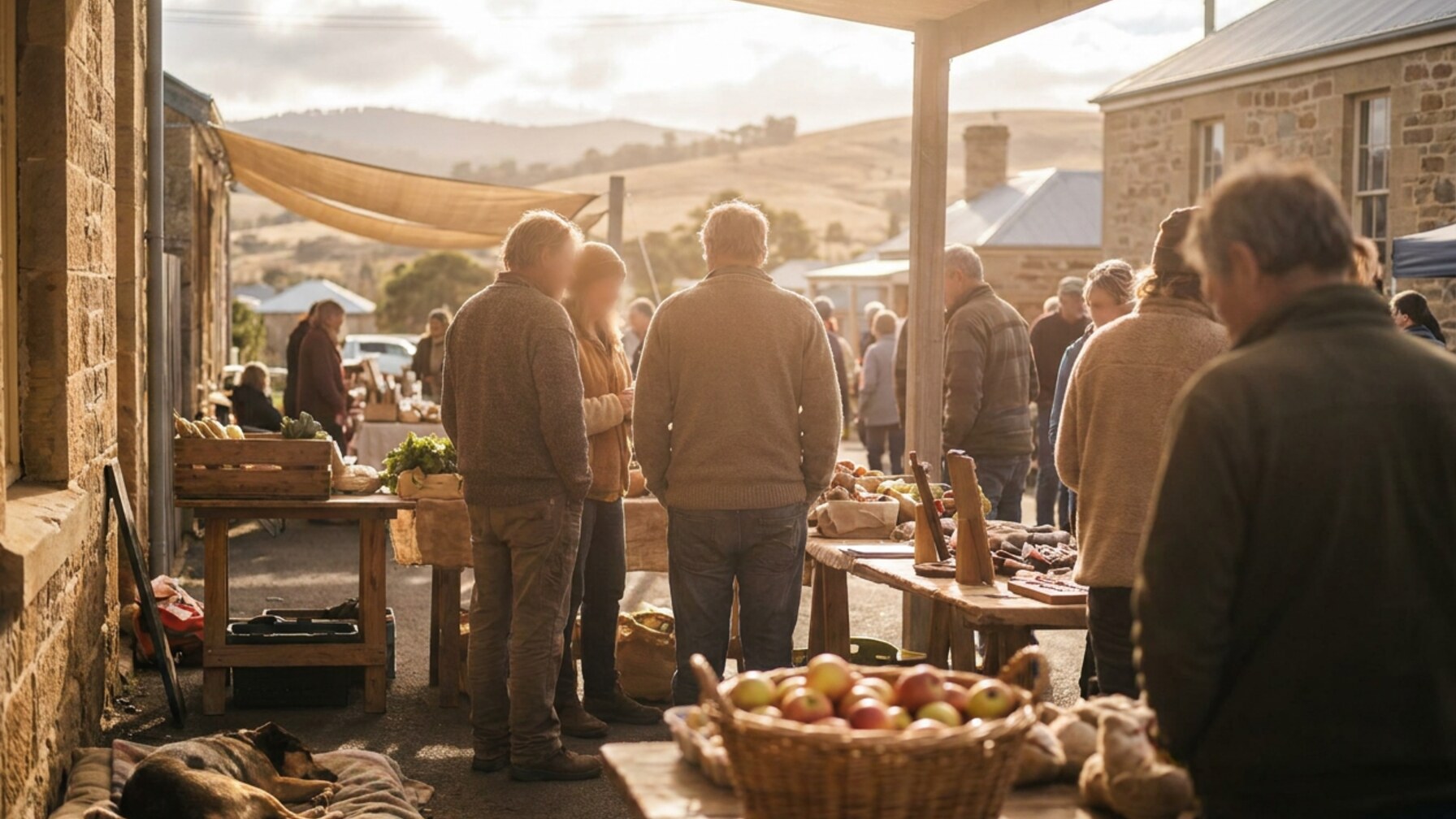
Hobart’s inner-city residential landscape is undergoing a pronounced shift as community-led initiatives reshape how locals interact with their historic surroundings. Data published in the 2026 City of Hobart quarterly planning review indicates that neighborhood activity centers, specifically those centered around community garden plots and shared workshop spaces, have seen a 14% increase in public engagement compared to the same period last year. This trend suggests a move toward localized, collaborative living rather than the passive lifestyle patterns of the past decade.
The rise of the micro-hub
This transition is most visible in the streets surrounding Elizabeth Street in North Hobart. Where residents once relied solely on traditional retail outlets, the area now hosts a collection of grassroots projects that prioritize community accessibility. The Friends of North Hobart Park organization has recently facilitated the installation of a new permaculture zone, funded by a municipal grant of $12,500 approved on June 12. This space now serves as a primary gathering point for weekend workshops, moving the neighborhood vibe away from late-night hospitality and toward active, daylight recreation.
A similar transformation is unfolding in Launceston’s Inveresk precinct. The transition of former industrial sites into the University of Tasmania’s regional campus has inadvertently fostered a unique student-resident ecosystem. Local businesses like the Boags Brewery complex and the nearby cafes on Charles Street report that foot traffic during non-peak hours has stabilized, a change attributed to the increased density of artist studios and creative hubs within a four-block radius of the campus.
Economics of community engagement
The cost of maintaining these neighborhood character projects remains a central point of debate for local councils. According to the Tasmanian Planning Commission’s May 2026 budgetary report, the state allocated $2.1 million toward the 'Urban Greening Program' across major population centers, covering maintenance and utility subsidies for community-owned plots. Property analysts at Knight Frank Tasmania have observed that homes located within a 500-meter radius of these sanctioned community hubs are listing for approximately 3.5% higher than comparable properties in less developed zones, marking a tangible financial premium on community-centric neighborhood character.
As these developments continue, residents should expect increased consultation regarding zoning regulations in the coming autumn months. The Hobart City Council has slated a public forum for August 20, 2026, at the Town Hall to discuss the expansion of shared-space policies into more residential zones in South Hobart and Sandy Bay. Residents seeking to participate in these local planning sessions can register their interest through the official Hobart City Council portal, which tracks ongoing updates for the 2027 precinct revitalization strategy.