lifestyle
Hobart’s changing guard: the people stories and faces that make this place special
From the historic docks of Sullivans Cove to the mountain trails of kunanyi, a new generation is redefining the city's pulse.
How we reported this
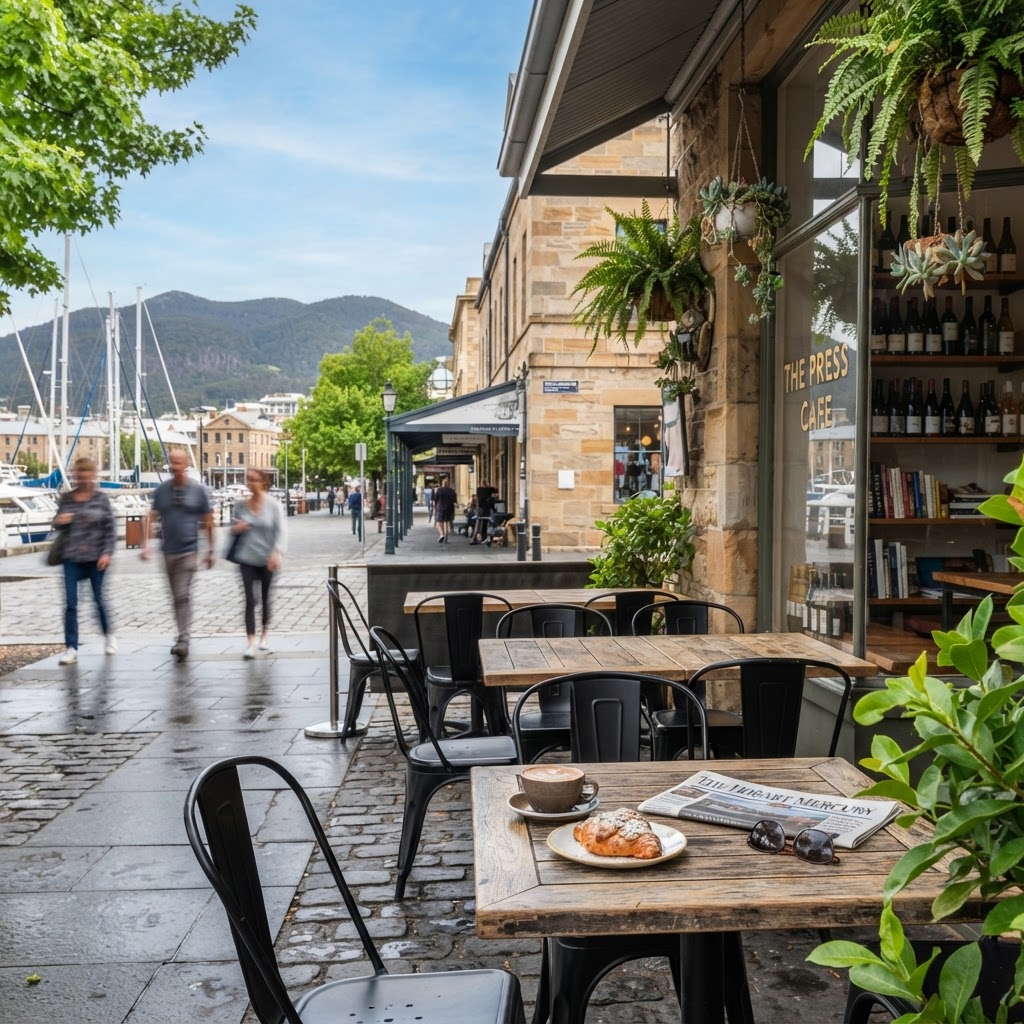
Tasmania’s capital is currently experiencing a demographic shift, with long-term residents and new arrivals converging to revitalize the city’s creative core. As of July 2026, the intersection of old-world maritime history and contemporary culinary innovation has created a unique social rhythm that distinguishes Hobart from other major cities. This transformation is best captured in the workshops and storefronts of the CBD, where the focus has moved from standard tourism to community-led enterprise.
The cultural heartbeat of the city is shifting toward decentralized hubs that prioritize local craft over mass retail. According to the Tasmanian Bureau of Statistics' quarterly report released on June 15, 2026, the retail sector in the Hobart City Council area saw a 4.2% increase in independent business registrations compared to the previous year. This growth is visible in the revitalization of the midtown precinct, specifically along Elizabeth Street, where three vacant heritage properties have been repurposed into communal creative studios.
The artisans shaping our waterfront
At the center of this movement are individuals like the bakers and woodworkers who occupy the repurposed warehouses near the docks. The Country Cob Bakery, which recently gained national attention for its Malaysian prawn curry pie, has inspired a wave of experimental cooking in our local kitchens. These businesses represent more than just food or retail; they serve as informal social anchors for neighborhoods that were once quiet after 5:00 p.m. Data from the Hobart City Council’s '2026 Economic Outlook' document confirms that foot traffic in the Sullivans Cove district has grown by 12% on weeknights since January.
This shift is not merely economic but deeply personal for the families who have called Battery Point home for generations. Despite rising property costs-with the median house price in the postcode hitting $985,000 as of last month-the push to maintain a local, neighborhood-focused identity remains firm. Organizations such as the Tasmanian Conservation Trust continue to work with property developers to ensure that the character of historic stone cottages is protected during modern refurbishments.
Looking toward the mountain
Outdoor culture remains the bedrock of the Tasmanian lifestyle, but the way we interact with our environment is becoming more structured. On the trails leading up to kunanyi/Mount Wellington, the Wellington Park Management Trust has reported a record 45,000 visitors for the first half of 2026. This surge has forced a conversation about trail maintenance and environmental preservation, with new community-led programs launching next month to manage the impact of increased foot traffic.
For those looking to engage with this evolving city, the best approach is to support the independent businesses now operating in the repurposed zones of North Hobart and the waterfront. Starting July 10, the Hobart City Council will host a series of public forums at the Town Hall to discuss the next phase of urban planning. Residents are encouraged to review the draft '2027 Vision Statement' available on the council’s website, which outlines proposed infrastructure upgrades for the city's pedestrian corridors.