lifestyle
Green lungs and urban growth: Hobart’s parks and why locals love them now
As inner-city density climbs, Tasmania’s capital is reclaiming its public realm with renewed investment in historic green corridors.
How we reported this
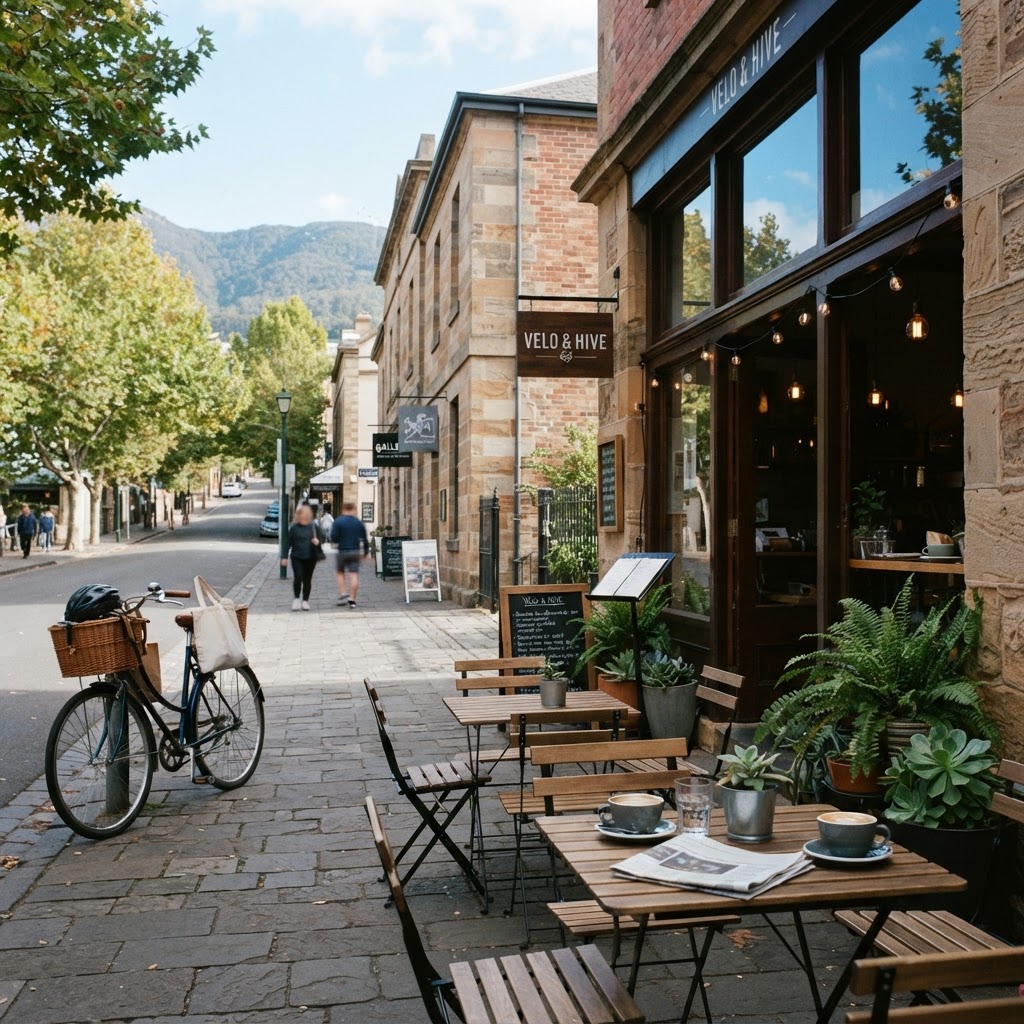
Hobart’s relationship with its public green spaces has shifted as the city grapples with the pressures of urban density. Long regarded as peripheral to the state’s industrial and retail hubs, local parks have become the primary focus for city planning and community engagement. From the edges of the Derwent River to the quiet corridors of West Hobart, the local appetite for accessible nature has spurred a new wave of revitalisation projects.
The shift toward multipurpose urban sanctuaries
The transformation is most visible at the Royal Tasmanian Botanical Gardens and the expansive grounds of Queens Domain. These sites, which have served Hobart for decades, are moving away from passive viewing towards active, multi-use environments. Recent improvements overseen by the Hobart City Council include upgraded accessibility paths and integrated lighting systems designed to extend safe usage hours throughout the darker winter months. Locals are increasingly viewing these spaces as essential extensions of their own living rooms, a change driven by the recent trend toward higher-density residential developments in the city centre.
Similarly, the linear parks surrounding the Hobart Rivulet track have undergone significant maintenance, ensuring that walking and cycling connections remain a viable alternative for commuters traversing the city from South Hobart to the CBD. Organisations like the Friends of Hobart Rivulet have maintained a consistent presence in lobbying for the protection of these pathways, ensuring that as urban development accelerates, the integrity of the natural drainage corridors is preserved against encroaching construction.
Metrics of a growing green network
Data released by the Hobart City Council in their most recent annual report highlights the increased reliance on these public assets, noting a rise in foot traffic across major municipal parklands compared to previous reporting periods. While private property auction clearances have fluctuated across the broader Australian market, remaining below 50% in recent reports, public investment in local infrastructure has remained a priority for the municipal government to maintain quality of life for residents. The focus has been on sustainable maintenance, with specific budget allocations directed toward native re-vegetation programs along the Mount Wellington foothills to combat soil erosion and preserve indigenous flora.
For those looking to engage with these spaces, the municipal advice remains practical: prioritize off-peak weekday visits to avoid the weekend rush at major hubs like the Sandy Bay parklands. As the city evolves, residents are encouraged to monitor the Hobart City Council website for upcoming public consultation sessions regarding the master planning of future green corridors, as these meetings dictate the long-term character of the city’s shared environment.