lifestyle
Hobart Transforms Sullivans Cove Into High-End Cultural Waterfront
From gritty industrial berths to a high-end cultural corridor, the transformation of Hobart’s edge continues to redefine the city’s urban identity.
How we reported this
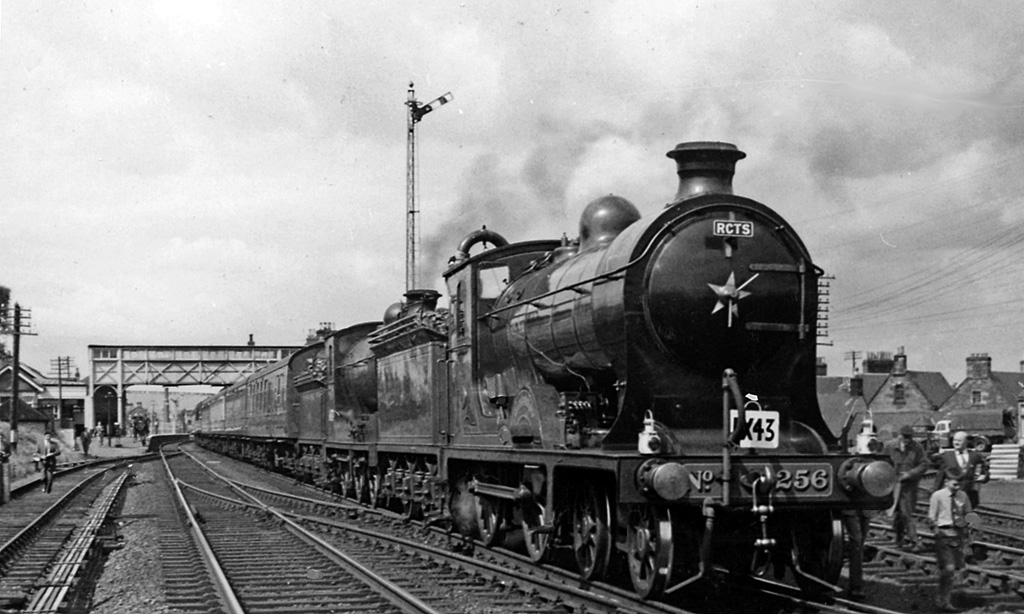
Construction crews at the Mac Point site have begun clearing the final vestiges of the decommissioned rail yards this week, marking a significant milestone in the redevelopment of Hobart’s primary waterfront district. The move signals a shift from dormant industrial use toward a integrated high-density commercial and cultural zone, fundamentally altering the visual character of the city’s inner harbour.
A Shift in Urban Priorities
The evolution of Sullivans Cove is no longer just a discussion about property development but a response to the city’s surging tourism numbers and space requirements. Following the release of the 2026 Masterplan by the Sullivans Cove Waterfront Authority, the focus has pivoted toward public accessibility. This shift is particularly visible at the intersection of Hunter and Morrison Streets, where former maritime storage facilities are being retrofitted into gallery spaces and retail storefronts.
Local interest has intensified around the adaptive reuse project at the Henry Jones Art Hotel and the surrounding docks. Where once timber exports dominated the wharf, visitors now find high-end hospitality offerings and public pedestrian walkways. The transition attempts to strike a balance between Hobart’s historical architectural preservation and the modern demands of a growing global city.
The Economics of the Waterfront
Data provided by the Tasmanian Bureau of Statistics indicates that commercial real estate values within the 7000 postcode have risen by 14% over the past 24 months, tracking closely with the increased foot traffic observed by the Hobart Chamber of Commerce. These figures reflect a broader trend of private investment pouring into the precinct, with capital expenditure on new projects in the immediate area exceeding $450 million since January 2024.
For those living and working in the area, the change is tangible. The influx of boutique enterprises is pushing traditional service providers toward the urban fringe of North Hobart. Navigating this change requires a keen eye on the upcoming public consultations for the second phase of the Mac Point redevelopment, scheduled for completion in late 2027. Residents and stakeholders are encouraged to attend the community information sessions held at the Hobart Town Hall, where detailed architectural models of the proposed green corridors will be available for review.