lifestyle
Tasmania's Hobart Uniquely Blends Wilderness Access With Urban Conveniences
Hobart combines remote natural settings with city conveniences in ways few other places match.
How we reported this
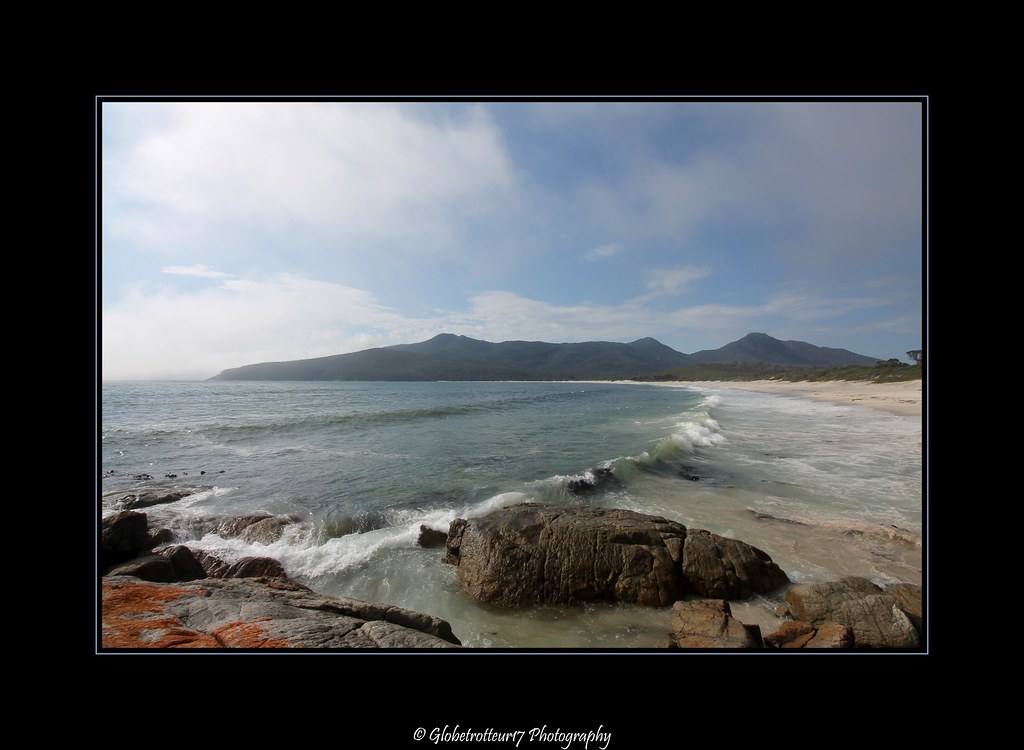
Tasmania draws residents and visitors with its rare layout that places wilderness trails minutes from central streets and markets.
This setup matters now because many global cities face overcrowding and long commutes that limit daily outdoor time. Hobart keeps those distances short, allowing people to combine work routines with immediate nature access without extended travel.
Key Venues That Highlight the Mix
Salamanca Place hosts weekly markets where local producers sell fresh seafood and cheeses alongside artists displaying works made from regional materials. The Museum of Old and New Art sits across the Derwent River and draws crowds with rotating exhibitions that often reference Tasmanian landscapes and history. These spots operate year-round and sit within a short ferry ride of each other.
Battery Point adds another layer with its preserved colonial cottages now housing cafes that source ingredients from nearby farms. The area borders walking paths that lead straight toward the slopes of kunanyi/Mount Wellington, where trails remain open for public use most days.
Numbers That Show the Practical Edge
Local transport data from 2025 records average one-way commutes in Hobart at 18 minutes, compared with 35 minutes or more in larger Australian capitals. Ferry fares across the Derwent run at $5.60 one way for adults, keeping costs low for regular cross-river trips. Housing figures from the same year list median prices in central Hobart suburbs at $685,000, still below many coastal cities worldwide.
Residents can test the difference by starting at the Salamanca Market on a Saturday morning, then catching the ferry to MONA for an afternoon exhibit before heading to a trailhead on kunanyi before dusk. This sequence fits into one day without special planning or long drives.