lifestyle
Tasmanians Reveal Essential Daily Life Tips for Handling Island Weather
Hobart and regional residents pass along practical advice drawn from years of handling the island's weather patterns and routines.
How we reported this
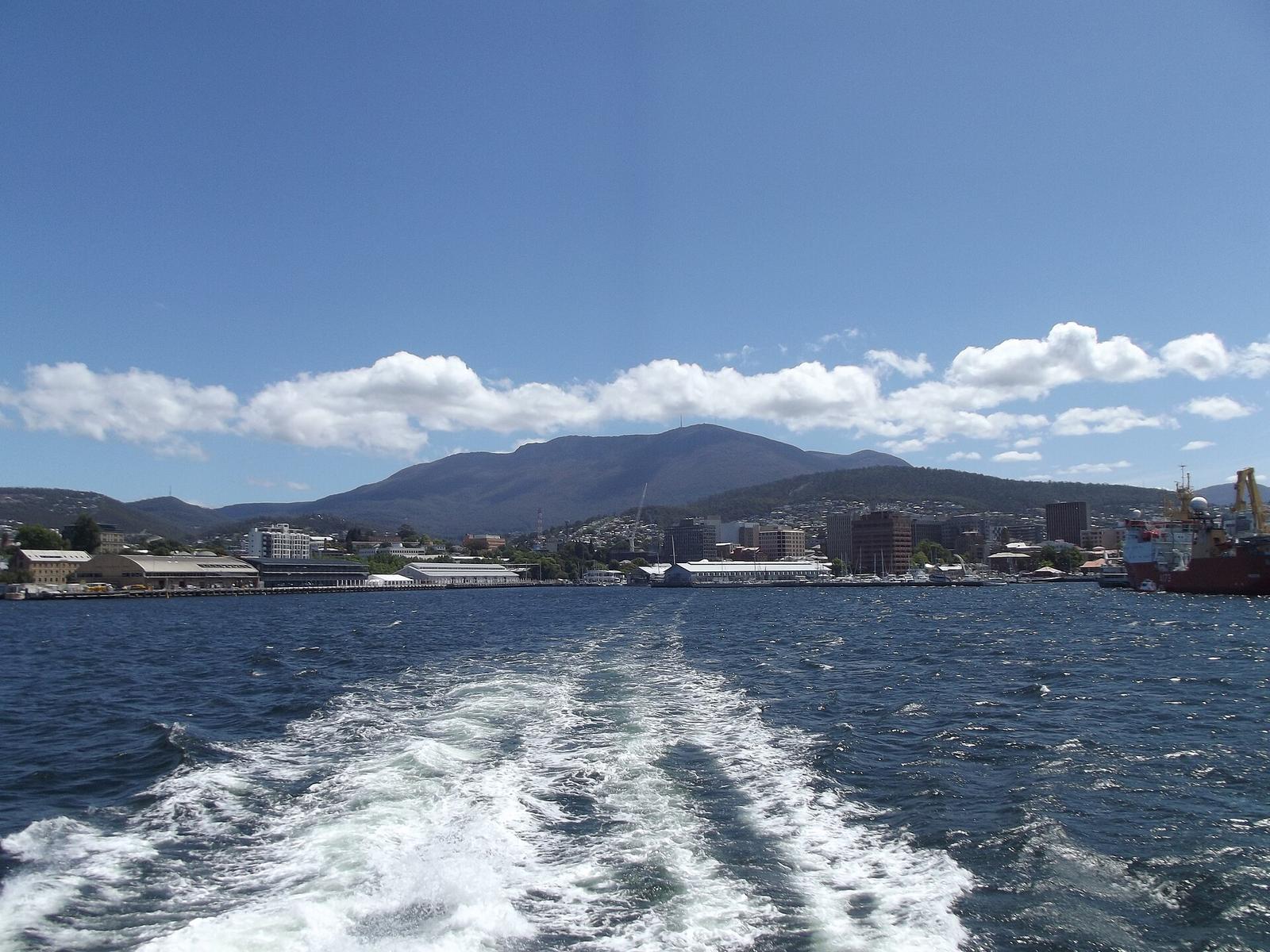
Hobart residents have started compiling their own lists of winter survival habits as temperatures drop and daylight shortens this July.
The advice comes at a time when many Tasmanians adjust their daily routes and spending after the mid-year school holidays end on 12 July, when families return to fixed schedules around work and commuting along the Brooker Highway.
One common recommendation centres on layering for quick changes between the city and higher ground. Walkers who use the tracks around Mount Wellington each morning advise starting with a merino base layer and adding a windproof shell only after checking the forecast at the Springs lookout. Another tip involves Saturday mornings at Salamanca Place, where locals skip the busiest stalls near the Town Hall end and head straight to the producers at the far western edge for fresher produce at lower prices.
Practical routines around food and transport
Shoppers at the Hill Street Grocer in West Hobart report that buying a whole wheel of local cheddar once a fortnight works out cheaper than smaller packs, with the store recording average weekly sales of 180 wheels in winter months. Commuters catching the ferry from Bellerive to Hobart's Brooke Street Pier suggest leaving ten minutes earlier than the published timetable because winter winds often push the vessels off schedule by that margin.
Recent data from the Tasmanian Bureau of Statistics shows household energy use rose 14 percent in June compared with the same month last year, prompting residents to track heater timers more closely and set them for two-hour blocks rather than leaving them running all evening.
Next steps for new arrivals
Anyone moving to the area this season can test these habits first on the short loop from Parliament House Gardens to the waterfront, then adjust based on how the wind feels at 8am. Checking the daily wind reading posted outside the Maritime Museum on Constitution Dock gives an immediate sense of whether extra layers will be needed before heading uphill.