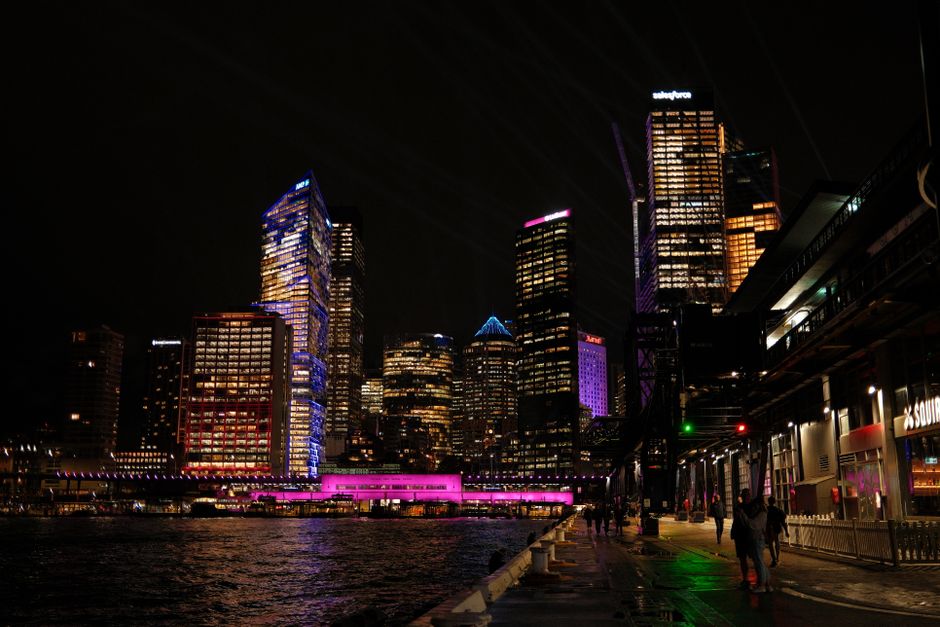
Sandy Bay stands at a pivotal juncture. The proposed $180 million waterfront redevelopment—spanning the former industrial site between Salamanca Place and the Derwent—has entered its final consultation phase, and community decisions made over the next six weeks will fundamentally alter one of Tasmania's most recognisable neighbourhoods.
The project, which includes mixed-use development, residential towers up to 15 storeys, and public waterfront access, requires sign-off from both council and state heritage authorities. Critically, the developer's current masterplan allocates only 2.3 hectares of the 6.8-hectare site to public open space—a figure community groups say falls short of comparable precincts in Melbourne and Sydney.
At the heart of the debate: density versus character. Local residents associations, particularly those along Antill Street and around the heritage-listed Shot Tower precinct, are grappling with whether to push for reduced building heights in exchange for expanded parkland, or accept the current envelope to secure faster delivery of promised community facilities.
"The decisions we make now determine whether this becomes another characterless high-density hub or a genuine mixed-use village," said a spokesperson for the Sandy Bay Community Forum, which is hosting four public workshops beginning July 14 at the Sandy Bay Primary School. The forum is currently surveying residents on three specific scenarios: a 40 per cent reduction in residential units with expanded waterfront parks; the current proposal; or a hybrid model with lower heights on the Antill Street edge.
Timeline pressures are mounting. State planning approval must be lodged by August 15, meaning community feedback collation ends July 31. The developer has signalled willingness to adjust heritage interpretations and public art commitments, but density—and therefore financial viability—remains non-negotiable.
The precinct's future also hinges on infrastructure. Parking provision (currently 0.6 spaces per residential unit, below industry standard) and traffic management through narrow Antill Street remain unresolved. The council has commissioned an independent traffic study due July 22.
Several precedents inform local thinking. The Barangaroo development in Sydney ultimately delivered higher-than-planned public access after community pressure, while Melbourne's Southbank settled on 3.8 hectares of public space across a comparable footprint.
Sandy Bay residents now face a defining question: accept the developer's timeline and density matrix in exchange for certainty, or use remaining leverage to negotiate significantly altered terms—risking delays but potentially securing a more liveable outcome.
The Sandy Bay Community Forum workshops run July 14, 16, 21, and 23. Submissions close July 31.
This article was compiled by AI from the sources linked above and screened before publishing. See our editorial standards.