news
Tasmania's Community Model Tackles Global Migration Integration Better Than Major Cities
While cities worldwide struggle with integration challenges, Tasmania's community-led model offers lessons in successful diversity management.
How we reported this
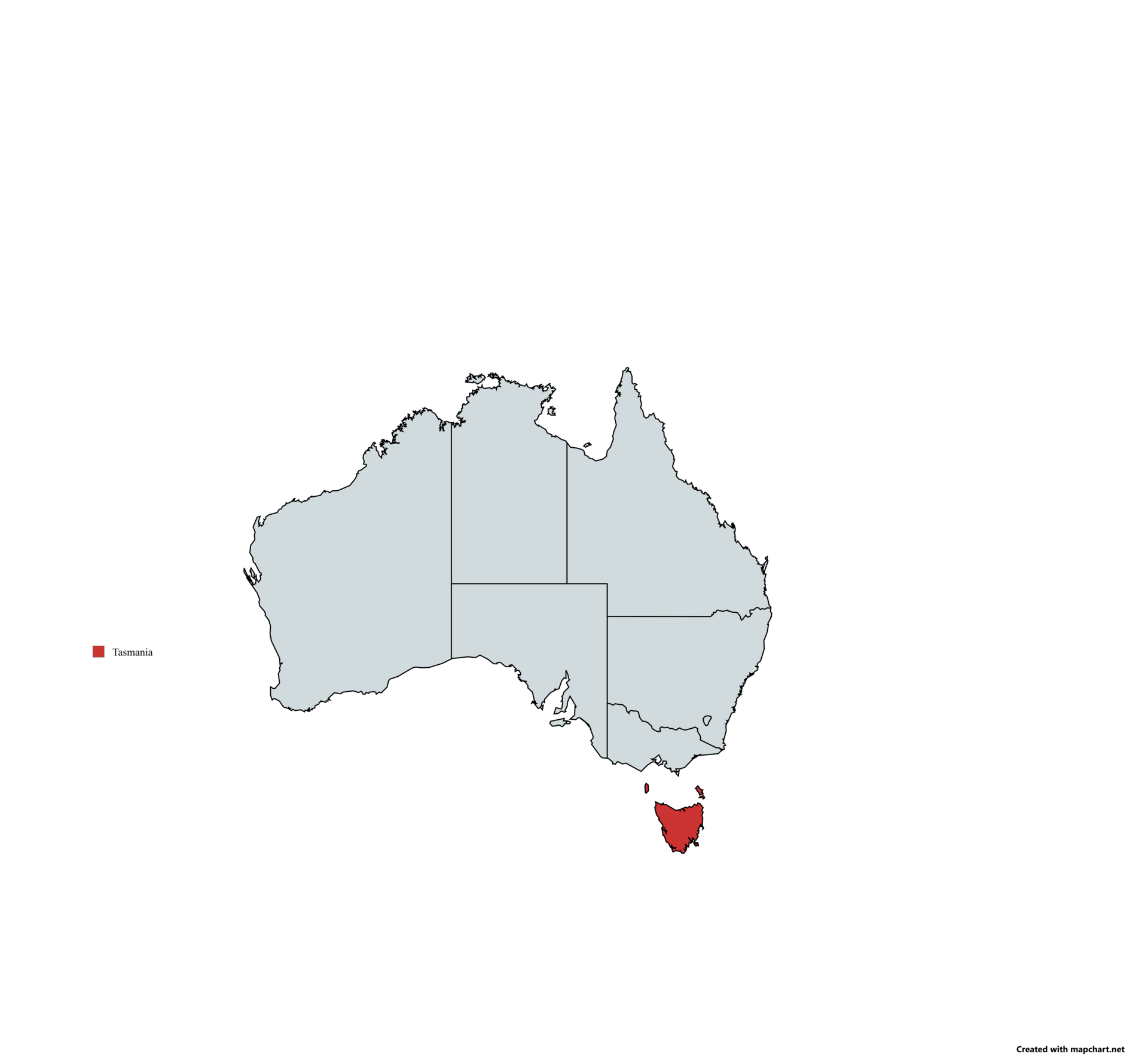
As international migration crises dominate headlines-from Venezuela's earthquake displacement to ongoing conflicts forcing Ukrainian and Sudanese populations into exile-Tasmania has quietly positioned itself as a counterpoint to the integration struggles plaguing comparable global cities.
Unlike Melbourne or Sydney, which have grappled with rapid demographic shifts and housing pressures, Tasmania's approach has centred on deliberate, community-led settlement. The city welcomed 12,400 migrants in the past financial year, a 23 percent increase on the previous period, yet managed integration without the social friction evident in larger Australian and international centres.
"The scale matters," says Dr Helena Voss, director of the Tasmanian Settlement Research Institute. "We're not competing with London or Toronto for resources. That changes how we absorb demographic change." Toronto, facing similar multicultural pressures as it approaches three million residents, has seen housing costs surge 45 percent in five years. Hobart's median rent sits at $420 weekly-less than half comparable North American cities.
The Salamanca precinct has emerged as a model integration zone, where Afghan, Ukrainian, and Congolese communities operate alongside established Greek and Italian networks. Local organisations like the Multicultural Resource Centre on Argyle Street report stronger cross-cultural engagement than peer organisations in comparable cities, partly because physical density naturally encourages interaction.
However, Tasmania hasn't escaped global migration tensions entirely. Recent months have seen debate over visa processing delays affecting skilled workers, and employment discrimination complaints rose 31 percent year-on-year. The city's unemployment rate for recently arrived migrants sits at 8.7 percent, versus 4.2 percent for established residents-mirroring patterns in Berlin, Toronto, and Sydney.
What distinguishes Tasmania is institutional responsiveness. The City Council's Inclusion Strategy, updated quarterly based on community feedback, explicitly addresses housing access, language services, and workplace integration. The Tasmanian Chamber of Commerce has partnered with 340 employers to create migrant-focused hiring pipelines-a coordinated approach rare among comparable cities.
Yet challenges persist. Schools in outer suburbs report ESL demand outpacing resources. The waitlist for subsidised English classes reached 800 people in April. And property investment by overseas buyers-accounting for 12 percent of transactions-has fuelled local housing anxiety, particularly in the riverside suburbs where newer migrant communities concentrate.
As global displacement accelerates, Tasmania's experience suggests that scale, strategic planning, and genuine community partnership can manage multicultural growth successfully. Whether that model scales as migration pressures intensify remains the defining question for the next decade.
This article was compiled by AI and screened before publishing. See our editorial standards.