news
Tasmania Officials Chart Course for Climate Action Beyond Marinus Link
As major infrastructure projects like Marinus Link advance, environmental leaders outline priorities for genuine climate action in the coming years.
How we reported this
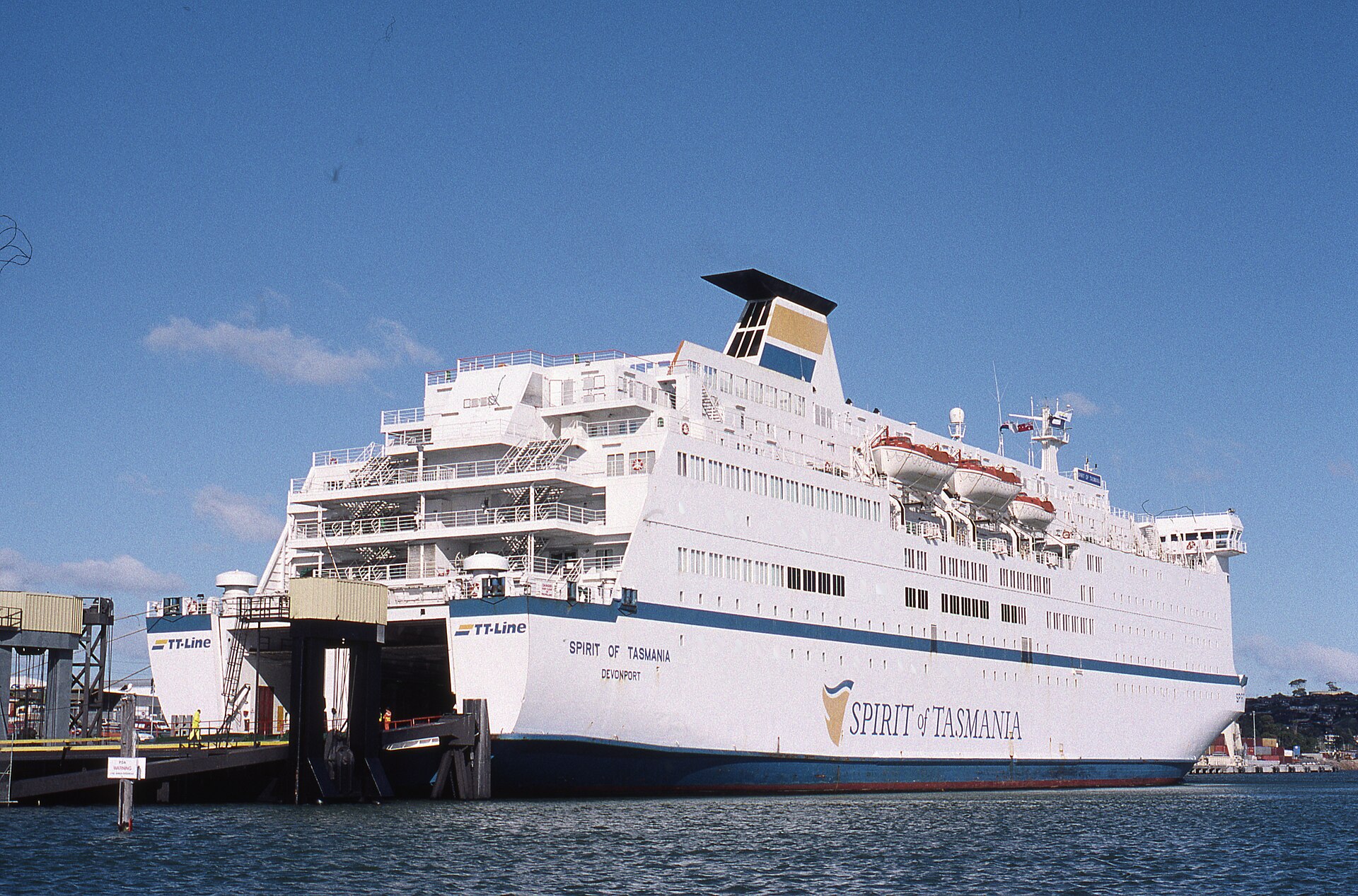
Tasmania's environmental and sustainability landscape is at a critical juncture, with government officials, conservation leaders, and industry experts increasingly vocal about what comes next for the island state's climate commitments.
The push for renewable energy infrastructure-particularly the proposed Marinus Link undersea power cable connecting Tasmania to Victoria-has dominated recent policy discussions. While supporters tout its potential to export renewable energy, environmental groups emphasise the need for rigorous environmental impact assessments and marine protection measures along the cable route through Bass Strait.
The Tasmanian Greens and independent environmental consultants have called for stronger independent oversight of the project, noting that Tasmania's reputation as a clean energy producer hinges on transparent approval processes. "We need to ensure that our renewable credentials aren't compromised by cutting corners on marine ecology," according to submissions to recent parliamentary inquiries, with experts flagging concerns about seabed disturbance and impacts on fishing communities.
Meanwhile, salmon aquaculture remains contentious. Representatives from the conservation sector have pushed the state government to strengthen environmental regulations governing farm operations in Tasmania's waterways-particularly around Huon Valley and the D'Entrecasteaux Channel. Current monitoring frameworks, they argue, lack sufficient rigour to prevent nutrient runoff and disease transmission to wild fish populations.
On broader sustainability, Hobart-based renewable energy advocates have praised the state's renewable electricity generation capacity-currently exceeding 100 per cent of consumption-but note that decarbonising transport and heating remains underdeveloped. "We're generating clean power but not using it effectively across the economy," commentators have noted in recent forums discussing Tasmania's net-zero targets.
Aboriginal land return has also emerged as integral to sustainability strategy. Indigenous land management practices, particularly regarding fire management and native vegetation preservation, are increasingly recognised by environmental experts as essential to Tasmania's long-term ecological resilience. Several recent reports have highlighted how Traditional Owner involvement in land stewardship across regions like the Tarkine and Southwest could enhance both conservation outcomes and cultural continuity.
Business leaders, meanwhile, have signalled appetite for sustainability frameworks that don't undermine economic competitiveness. Tourism operators in Launceston and across northern Tasmania have endorsed green certification standards, viewing environmental stewardship as a market advantage.
As Tasmania navigates competing pressures-energy export ambitions, agricultural productivity, conservation imperatives, and Indigenous rights-the consistent message from experts is clear: genuine sustainability requires integrated policy-making, adequate funding for monitoring, and genuine consultation with environmental scientists and community stakeholders, not just industry interests.
This article was compiled by AI and screened before publishing. See our editorial standards.