news
Hobart Council's Three Decisions Will Shape Tasmania's Capital Next Decade
As Tasmania's capital faces budget pressures and competing visions for growth, councillors must navigate housing density, waterfront development, and climate resilience in the coming months.
How we reported this
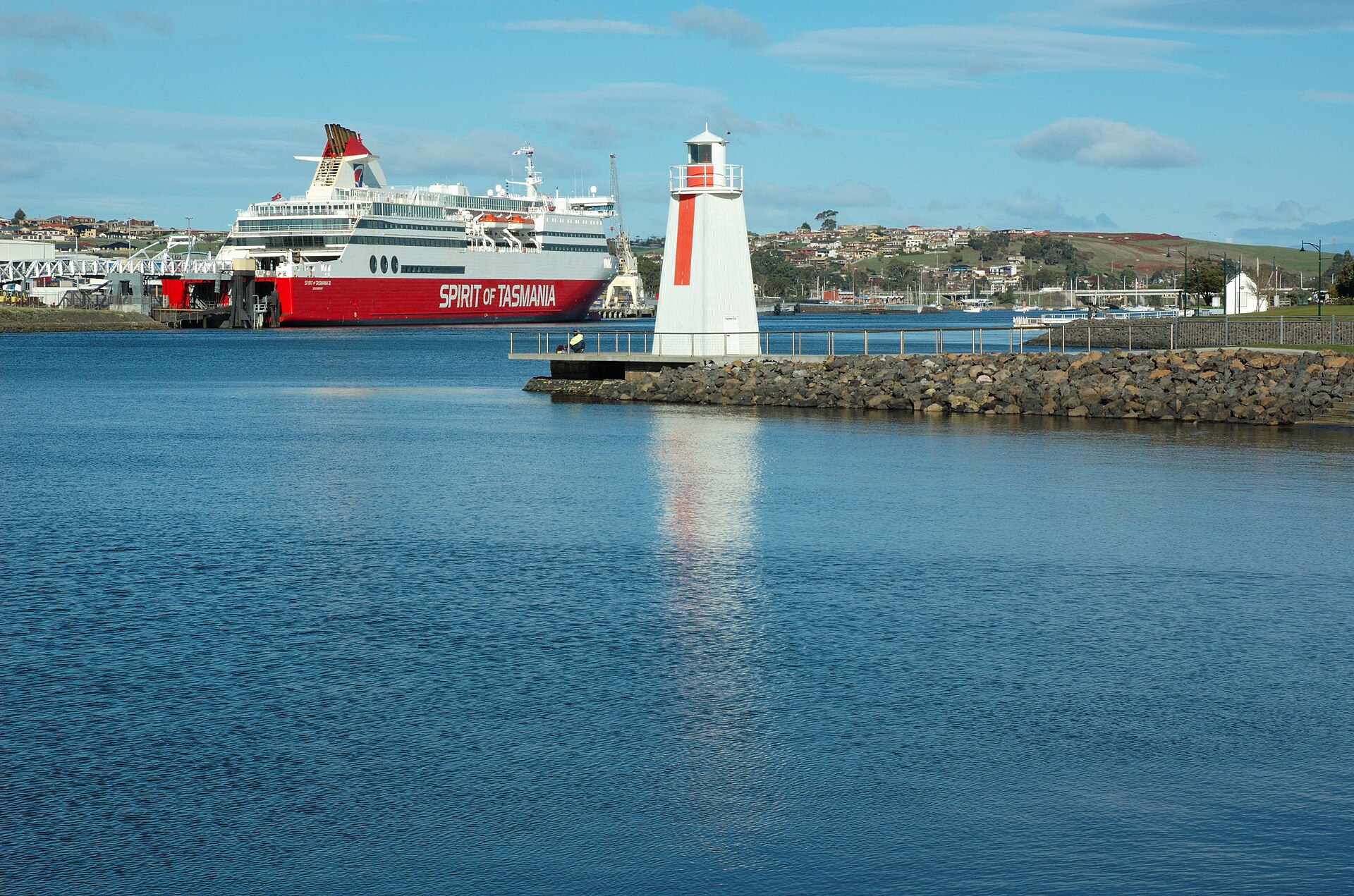
Hobart City Council enters a pivotal period, with three major decisions looming that will fundamentally reshape Tasmania's largest municipality over the next decade. As the new financial year begins, elected representatives are grappling with questions that will determine whether the capital becomes a denser, more liveable city-or retreats into suburban sprawl.
The most immediate challenge centres on the proposed medium-density housing framework for inner-city suburbs. Council staff have recommended allowing four-storey apartment blocks in Northgate, South Hobart, and Dynnyrne without requiring public consultation on every application. The move has galvanised both support from affordability advocates and fierce opposition from residents' groups. A council vote on this planning reform is expected by September, with final implementation potentially following by December.
Simultaneously, the contentious Hobart Waterfront Precinct development continues to generate tension. The $480 million mixed-use proposal for vacant Crown land between Salamanca Place and Sullivan's Cove would introduce 850 residential units, office space, and cultural facilities. However, heritage concerns and traffic modelling disputes have delayed environmental approvals. Council must decide by October whether to renegotiate terms with the private consortium or seek alternative proposals.
The third critical issue involves climate adaptation spending. Council's updated flood risk mapping-completed after the 2024 storm surge-has identified 2,300 properties in flood zones, many in low-income areas around Glenorchy and New Town. Councillors must allocate approximately $35 million from the next three-year budget toward sea walls, drainage upgrades, and buyback schemes. This decision will test whether the council prioritises retrofitting existing suburbs or incentivises relocation to higher ground.
Budget constraints underscore all three debates. Hobart's rates have risen 18 per cent over five years, while service demands outpace revenue growth. The water and sewerage authority has flagged a $60 million infrastructure backlog. These financial realities mean trade-offs are inevitable.
Community engagement intensifies as these decisions approach. The Hobart Community Alliance has requested extended consultation periods, while the Property Council Tasmania has urged faster approvals to unlock development. Council meetings at the Town Hall on Macquarie Street will become focal points for competing versions of Tasmania's urban future.
What happens next matters beyond Hobart's borders. Tasmania's population has grown 7 per cent in five years, and migration pressure is likely to continue. How the capital responds-whether through dense, inclusive housing or preserving leafy suburbs-will influence policy across the state. The decisions made in coming months will echo for decades.
This article was compiled by AI and screened before publishing. See our editorial standards.