news
Tasmania's Schools Face Crisis as Decade of Cuts Deepens
A decade of budget cuts, workforce shortages, and deferred maintenance has left local schools and the University of Tasmania facing their most pressing challenges since the 2008 financial crisis.
How we reported this
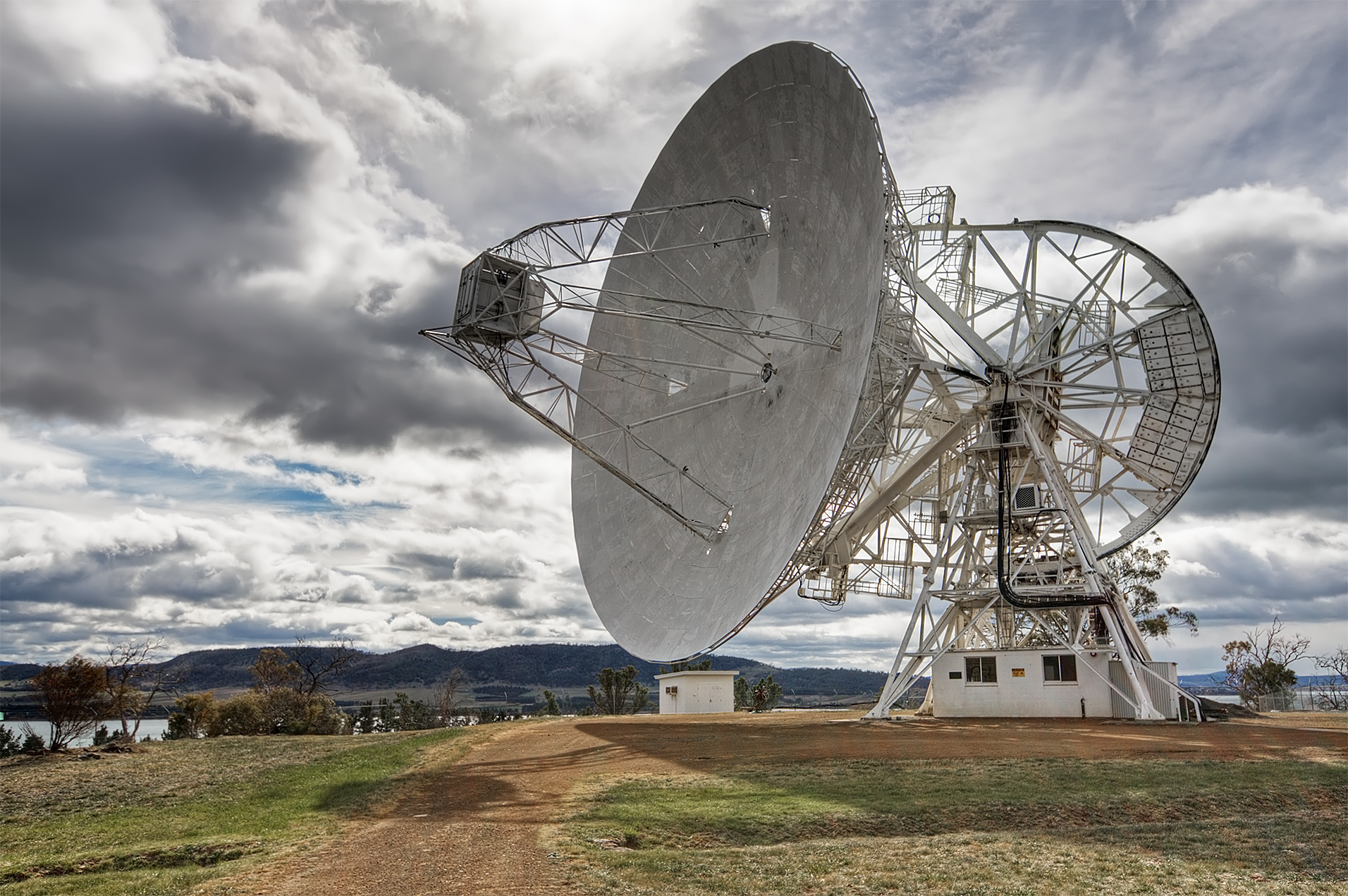
Tasmania's education sector stands at an inflection point. The University of Tasmania's Sandy Bay campus, once a flagship institution attracting students across the Indo-Pacific region, has seen enrolment decline by 12 percent over the past five years. Meanwhile, public schools across Hobart's northern suburbs-from Rosny Park Primary to Mowbray High-are grappling with crumbling infrastructure and difficulty attracting specialist teachers in mathematics and sciences.
The trajectory didn't happen overnight. Educational funding has tightened steadily since 2015, when Tasmania received reduced grants under the national schools funding model. The University faced particular pressure after 2020, when international student numbers collapsed during pandemic-related travel restrictions. Though borders reopened, recovery has been slower than anticipated, leaving the institution with structural budget gaps.
Local schools report tangible impacts. A 2025 audit of Tasmanian Government Schools identified deferred maintenance worth approximately $380 million-from aging boilers at schools near Moonah to deteriorating sports facilities across the outer suburbs. Teacher vacancy rates in rural and regional areas have climbed to 7 percent, well above the national average of 3.2 percent.
Compounding these pressures is demographic reality. Tasmania's school-age population has stagnated, with fewer families relocating to the state. University of Tasmania's domestic student intake, traditionally reliant on Tasmanian high school graduates, reflects this plateau. Simultaneously, private education providers like Hutchins School and Launceston Grammar have maintained relatively stable enrollments, siphoning fee-paying families from public systems.
The state government has committed to a $150 million education fund across three years, announced in last year's budget, but administrators argue this barely addresses systemic wear. Universities Australia has flagged that Tasmania's higher education sector receives disproportionately lower research funding than comparable institutions in Victoria and South Australia.
Staff morale reflects these broader constraints. A confidential survey of Tasmanian teachers, released through professional associations, showed 64 percent felt workload had increased while resources diminished. Many cite administrative burden outpacing classroom support as a key frustration.
As education ministers meet quarterly to discuss reform, administrators from the University and government school networks emphasize that understanding today's crisis requires recognizing a decade of incremental cuts, combined with demographic headwinds and unmet infrastructure needs. Without intervention, they warn, Tasmania risks falling further behind national benchmarks in student achievement and tertiary education participation.
This article was compiled by AI and screened before publishing. See our editorial standards.