news
Hobart Residents Reclaim Neighborhoods Through Quiet Street Revolution
From Glebe to South Hobart, residents are reclaiming public spaces-and it's reshaping how Tasmanians think about community.
How we reported this
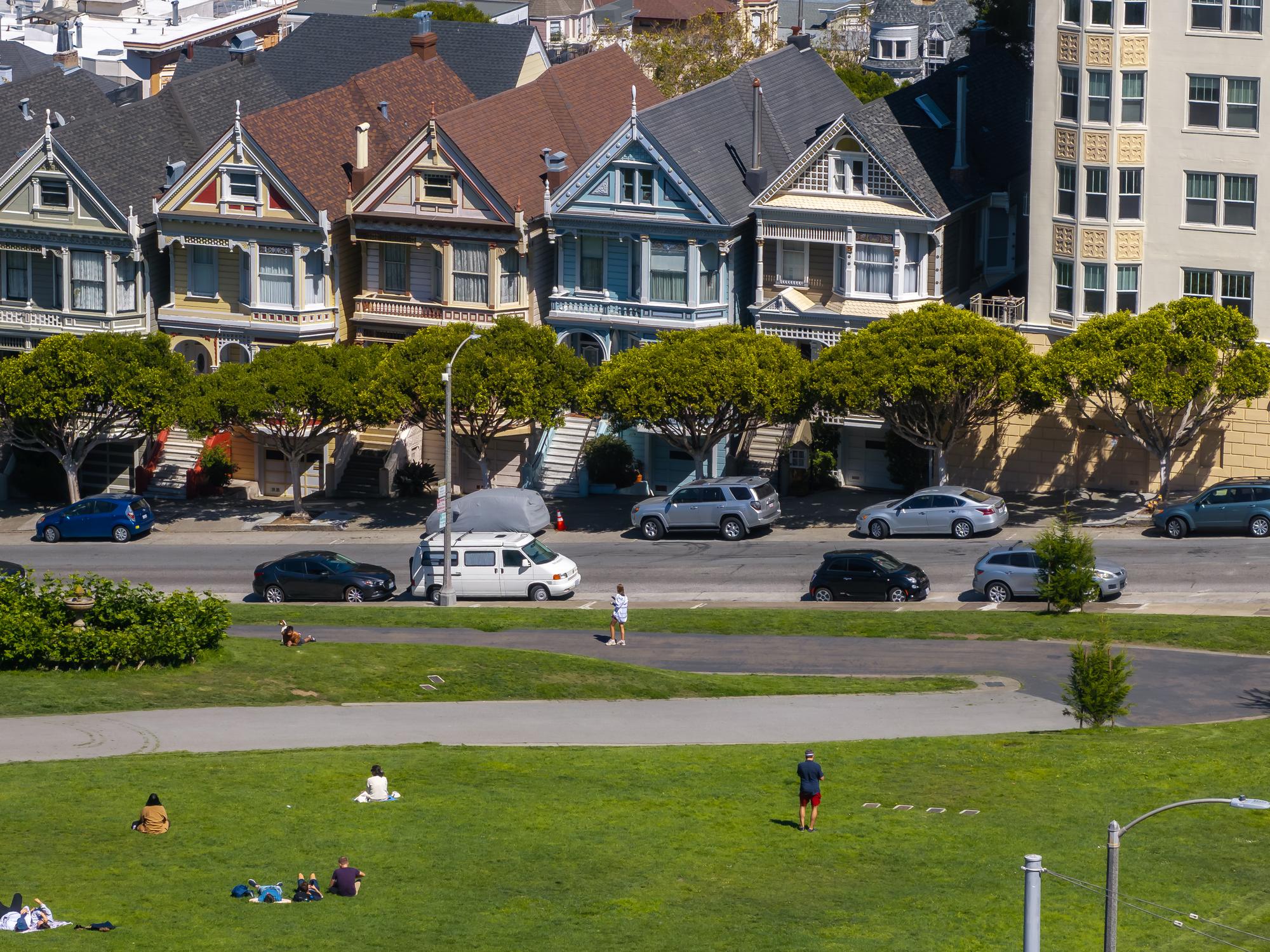
On any given Tuesday evening, you'll find two dozen residents gathered on Cascade Road in South Hobart, tending to a patch of land that six months ago was overgrown and neglected. They're not council workers. They're neighbours-teachers, retirees, young families-who decided their street needed attention and simply started fixing it themselves.
This grassroots movement is quietly spreading across Hobart and regional Tasmania, revealing something crucial about community resilience that cuts across the usual political debates about infrastructure spending and government services. When residents invest their time in immediate neighbourhood improvements, it changes more than just the physical environment.
"We've noticed people actually stop and talk now," says a volunteer at the Glebe community garden initiative, which transformed an abandoned lot into a productive food source for locals. "Before, everyone was just rushing past. Now there's genuine connection." The garden produces roughly 200 kilograms of vegetables annually and has become a gathering point for residents aged 8 to 85.
The impact extends beyond aesthetics. Property values along streets with active community groups have remained stable during the current market fluctuations affecting greater Hobart, according to local real estate agents. More importantly, residents report feeling safer, more engaged, and less isolated-metrics that matter deeply in Tasmania's ageing demographic.
Launceston's recent initiative on York Street-where residents installed seating areas, planted native species, and created a weekend community market-has attracted approximately 150 people weekly. Council investment was minimal; volunteer labour provided the muscle.
This matters because it reveals a gap between what government can deliver and what communities desperately need: connection, ownership, and belonging. With Tasmania's ongoing debates about tourism infrastructure, salmon regulation, and major projects like Marinus Link, these neighbourhood-scale interventions often get overlooked. Yet they directly affect daily quality of life.
The broader significance lies in demonstrating that community health isn't purely dependent on government funding. When residents feel empowered to improve their immediate surroundings, they're building social capital that buffers against isolation, supports mental health, and creates natural networks of mutual aid.
As Tasmanian communities navigate rapid growth, environmental pressures, and economic transitions, these quiet revolutions in suburbs like South Hobart and Glebe offer a counterpoint to larger structural challenges. They show that residents won't wait passively for solutions-they'll create them together.
For policymakers and planners, the lesson is clear: removing barriers to community-led improvement costs far less than providing equivalent services, and the social returns are immeasurable.
This article was compiled by AI and screened before publishing. See our editorial standards.