news
Hobart Falls Behind on Sustainability Metrics, Analysis Shows
While Tasmania's capital invests in renewable energy infrastructure, environmental advocates warn its progress on waste management and urban emissions falls behind comparable mid-sized cities worldwide.
How we reported this
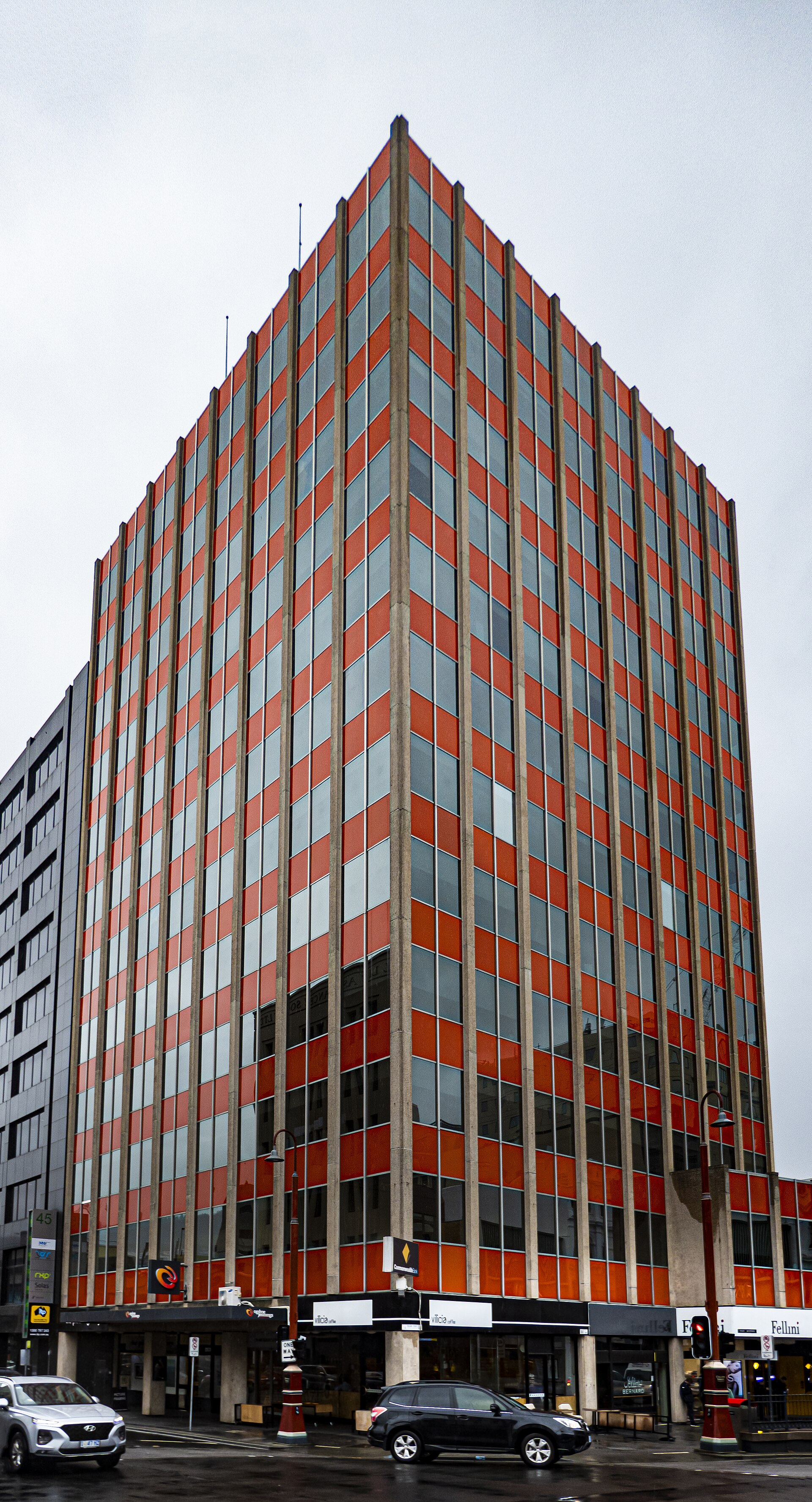
Hobart is positioning itself as an environmentally conscious destination, yet comparative analysis suggests the capital's sustainability credentials remain uneven when measured against similar-sized cities globally.
The arrival of Marinus Link-Tasmania's $3 billion undersea power cable to mainland Australia-represents a major renewable infrastructure play. Yet environmental groups argue the project's environmental benefit risks being undercut by continued reliance on fossil fuel baseload power during construction phases. Meanwhile, comparable mid-sized cities like Wellington, New Zealand (population 215,000) and Portland, Oregon (665,000) have already achieved carbon-neutral municipal operations.
Hobart's waste management framework presents a particular gap. The city's current recycling rate hovers around 42 percent, lagging behind Adelaide's 52 percent and significantly trailing the European Union's 55 percent target. The Elizabeth Street Transfer Station remains the primary waste hub, processing roughly 180,000 tonnes annually-a figure environmental economists suggest could be reduced by 30 percent through aggressive circular economy measures adopted by cities like Copenhagen and Amsterdam.
Public transport stands as another weak point. Hobart's Metro Tasmania bus network, while expanded in recent years, covers less than 8 percent of daily commutes compared to 23 percent in Brisbane and 41 percent in Melbourne. The lack of an integrated rapid transit system means car dependency remains entrenched, with transport accounting for approximately 31 percent of the city's carbon footprint-higher than international benchmarks for comparable cities.
However, local initiatives show emerging momentum. The Salamanca Arts Centre's sustainability retrofitting project, completed last year, reduced energy consumption by 38 percent. The Hobart City Council's commitment to plant 10,000 native trees across inner suburbs by 2028 echoes similar greening programs in Vancouver and Berlin, though funding constraints have delayed implementation across multiple neighbourhoods including Glebe and South Hobart.
Tourism infrastructure investments present untapped opportunities. As visitor numbers approach 1.4 million annually, environmental advocates argue Hobart risks following the over-tourism trajectory of cities like Barcelona and Venice. Stricter visitor management frameworks and carbon-intensive activity limitations could position the city as a sustainable tourism leader rather than a cautionary tale.
The state government's salmon aquaculture regulations-recently tightened following environmental concerns in Storm Bay-demonstrate responsive policymaking. Yet critics contend similar rigour is absent from urban planning decisions affecting Aboriginal land return initiatives and waterfront development.
For Hobart to compete with global sustainability leaders, stakeholders suggest an integrated urban emissions reduction strategy targeting transport, waste, and energy sectors simultaneously, rather than isolated project-by-project approaches currently in evidence.
This article was compiled by AI and screened before publishing. See our editorial standards.