news
Hobart Leaders Face Three Critical Infrastructure Votes This Year
As Tasmanian councils navigate budget pressures and competing visions for growth, upcoming votes on the waterfront, transport links and housing will reshape how the capital develops.
How we reported this
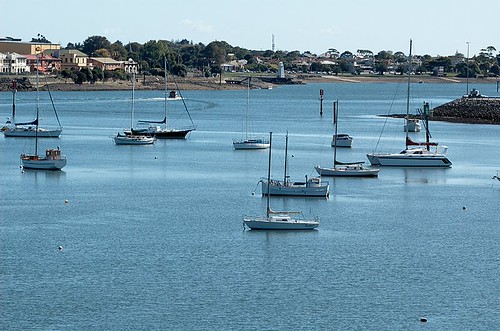
Hobart City Council enters a pivotal period, with three interconnected decisions set to dominate council chambers and community conversations through to mid-2027. Each carries implications stretching far beyond municipal boundaries, touching economic development, environmental management, and how the city accommodates population growth.
The first flashpoint is the Sullivan's Cove waterfront precinct. The council must decide whether to proceed with the revised masterplan that would densify the eastern foreshore with mixed-use development, or scale back ambitions in favour of preserving open space. Current estimates put infrastructure costs at $180 million, with funding sources remaining contested between state and local contributions. A decision is expected by September.
Simultaneously, the council grapples with transport connectivity. The proposed light rail feasibility study linking the city centre to the northern suburbs via the old rail corridor remains unfunded at $3.2 million. Councillors must determine if Hobart commits to investigating what would become a flagship project, or redirects resources toward bus rapid transit alternatives. This feeds directly into broader strategic planning for satellite suburbs like Derwent Park and Glenorchy.
Housing density presents the third pressure point. Draft planning amendments would allow up to six storeys in some central precincts currently capped at four. Residential lobbies are mobilising against what they characterise as overdevelopment, while developers argue Tasmania's housing shortage-with median Hobart prices exceeding $750,000-demands intervention. The planning panel deliberates through August.
These decisions don't exist in isolation. The state's Marinus Link project, while federally focused, will reshape workforce patterns and population distribution across southern Tasmania. Salmon aquaculture expansion in Storm Bay carries implications for waterfront amenity and tourism positioning. Council must calibrate its role in a rapidly shifting landscape.
The Liberal government's broader infrastructure agenda also creates pressure. The AFL stadium controversy-with cost blowouts and site uncertainty-has consumed political oxygen. Yet the broader question of whether Hobart receives adequate state investment for essential services remains unresolved.
Community consultation formally closes on key planning matters by late August. What happens next depends on whether councillors view these decisions as discrete municipal housekeeping, or as chapters in a larger narrative about what Hobart becomes. The decisions ahead will largely determine that answer.
This article was compiled by AI and screened before publishing. See our editorial standards.