news
Hobart's Defence Boom: Can Tasmania Match Global Military Cities?
Tasmania's defence footprint is expanding well north and west of its historic naval base, but whether Hobart can match the economic transformation seen in places like Portsmouth and Brest depends on choices being made right now.
How we reported this
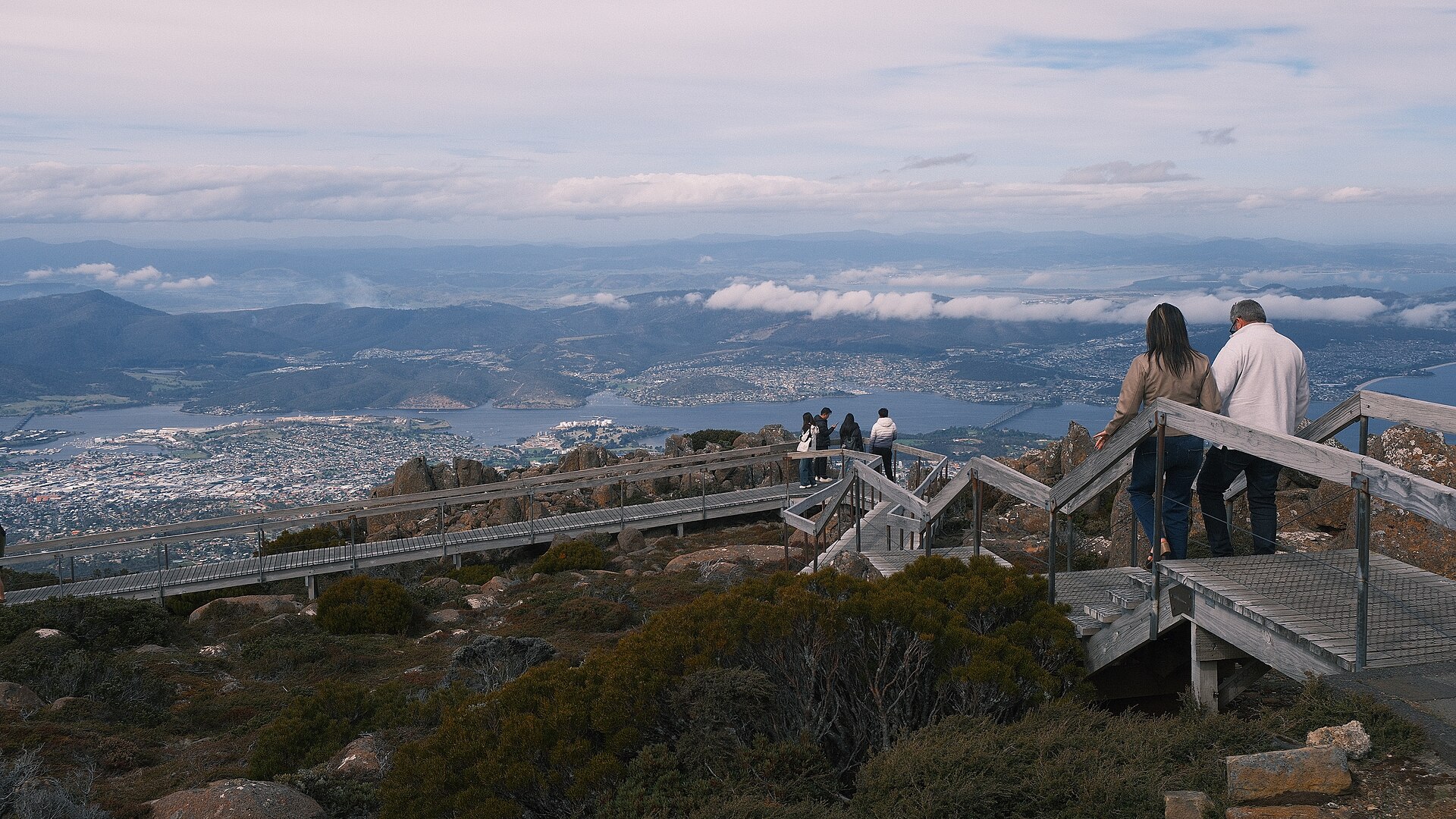
The Australian government confirmed in late June that a further $340 million in defence infrastructure spending is earmarked for Tasmania through to 2029, with projects stretching from Launceston's RAAF Base East Sale-equivalent facilities at RAAF Base Hobart through to potential deep-water logistics staging at Devonport. The announcement, buried in a Department of Defence infrastructure update, marks the clearest signal yet that Canberra sees the island state as something more than a southern outpost for HMAS Cerberus-trained sailors.
The timing matters. Australia's defence posture has shifted sharply since the AUKUS agreement locked in nuclear-powered submarine construction commitments, and planners have been quietly hunting for ports, land corridors and skilled-workforce pools that don't put everything in Adelaide or Perth. Tasmania, sitting 240 kilometres south of Melbourne across Bass Strait, suddenly looks less like a geographic liability and more like a strategic buffer. That logic is reshaping where money flows, and which towns benefit.
Inside Tasmania, the expansion is already visible on the ground. The University of Tasmania's Defence and Security Research Institute, operating out of its Sandy Bay campus, has grown its contract research portfolio by roughly 60 per cent since 2024, according to figures presented to a Senate estimates hearing in March. Further north, Launceston's Newnham precinct, home to UTAS's northern campus, is competing for a proposed $28 million dual-use cyber and signals training facility that would serve both Defence and private contractors working on infrastructure hardening. The Tasmanian government's own defence industry office, housed in the Industry Capability Network Tasmania office on Argyle Street in Hobart's CBD, logged 47 new defence-sector business registrations in the 12 months to April 2026, compared with 19 in the same period two years earlier.
What Portsmouth and Brest figured out first
Hobart's trajectory draws inevitable comparisons with mid-sized port cities that have threaded defence investment through their broader economies. Portsmouth, on England's southern coast, spent two decades after the 1981 Nott defence review losing shipyard jobs before pivoting to become a hub for naval systems engineering and maritime cyber security, sectors that now employ around 11,000 people in the wider Hampshire area. Brest, France's primary Atlantic naval base, pursued a similar playbook through the 1990s, anchoring a technology cluster around the naval architecture school École Navale that today generates roughly €2.1 billion in annual economic activity for Brittany.
The lesson both cities eventually absorbed is that passive hosting of a base is not the same as building a defence economy. Portsmouth needed a deliberate university-industry-base triangle; Brest needed sustained regional government co-investment. Hobart has the naval base at Garden Island, formally Fleet Base East South, the home of patrol boats and Antarctic support vessels, but the ecosystem around it remains thin compared with either European example. A 2025 KPMG report commissioned by the Tasmanian government estimated the state's defence sector contributed approximately $480 million to gross state product, against a potential of $1.1 billion if supply-chain gaps in maintenance, manufacturing and professional services were closed.
The next decisions that will determine the outcome
Three specific choices will determine whether Hobart closes that gap or watches the money drift to the mainland. First, the Tasmanian Liberal government must decide by September whether to co-fund the Newnham cyber facility or leave it to federal discretion, sources inside Industry Capability Network Tasmania say a state contribution of around $6 million would likely lock in the project. Second, the Port of Devonport's master plan, due for public consultation in August, needs to explicitly accommodate defence logistics rather than treating it as a secondary consideration after the Spirit of Tasmania ferry berths. Third, UTAS must finalise its engineering faculty restructure, which will determine whether the Sandy Bay campus retains the naval architecture and ocean engineering programs that underpin any serious bid for submarine sustainment work.
None of this is automatic. Launceston and Hobart together have roughly 280,000 residents, smaller than Portsmouth alone. The workforce pipeline for complex defence manufacturing does not exist yet in the numbers required. But the infrastructure groundwork being laid now, from the Argyle Street industry office through to the Newnham precinct discussions, gives Tasmania a better starting position than most comparable cities had when their own transformation windows opened.