news
Tasmania Debates How to Profit From Port Arthur's Convict History
With visitor numbers rebounding and a State Budget allocation under scrutiny, debate is sharpening over how Tasmania should interpret, and profit from, its darkest colonial chapters.
How we reported this
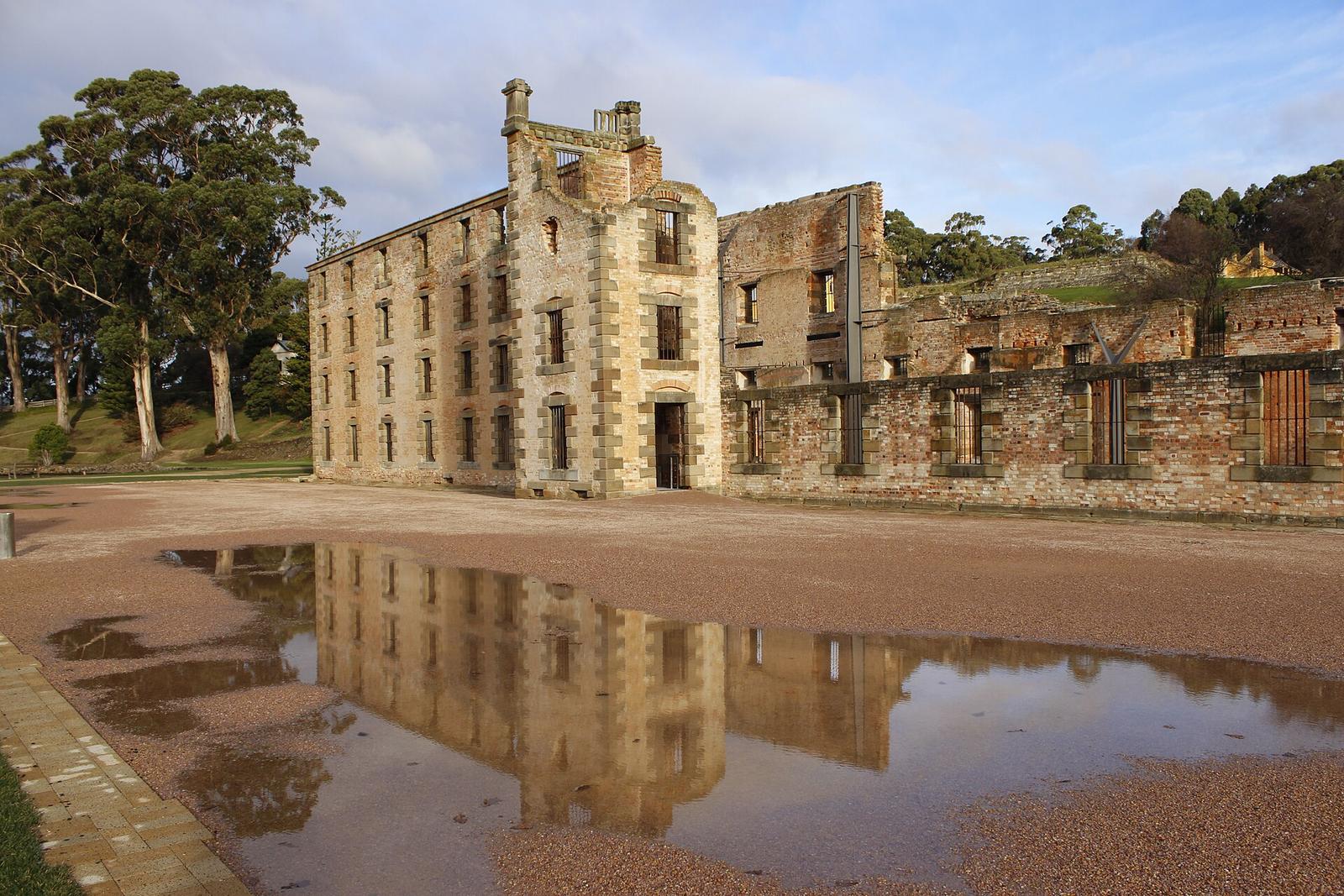
The Port Arthur Historic Site Management Authority is facing pointed questions from heritage scholars, Aboriginal community representatives and tourism economists about whether the Tasman Peninsula's convict ruins are being managed as a living history or packaged as little more than a gothic day-trip. The pressure is real, and it is coming from several directions at once.
Tasmania's Liberal government allocated $4.2 million to Port Arthur interpretation infrastructure in the 2025-26 State Budget, a figure critics say falls well short of what a UNESCO-listed site demands. The World Heritage inscription, shared with ten other Australian convict sites under the Australian Convict Sites listing achieved in 2010, carries obligations for both physical conservation and what heritage professionals call "thematic integrity", meaning the stories told on-site must reflect the full complexity of who was imprisoned there and why.
That complexity is where the debate gets uncomfortable. Historians affiliated with the University of Tasmania's School of Humanities have been arguing, with increasing urgency, that the convict story cannot be severed from the parallel story of the Pydairrerme people, the Nuenonne clan of the Oyster Bay nation, whose country was systematically occupied as the Tasman Peninsula penal settlement expanded through the 1830s. The Port Arthur Historic Site, which draws roughly 270,000 visitors a year through its gates on Arthur Highway, currently offers limited formal interpretation of that pre-colonial and colonial-contact history.
Pressure Mounts on Interpretation Gaps
The Tasmanian Aboriginal Centre, based in Hobart, has been in correspondence with the Management Authority over what it describes as inadequate First Nations representation in the site's guided tour programs and signage. The centre's position, outlined in a submission to the state's Heritage Council earlier this year, is that any expansion of infrastructure, including the proposed new $1.1 million visitor orientation pavilion, must co-design content with Aboriginal custodians from the outset, not as an afterthought once construction is complete.
Tourism industry voices are pulling in a different direction. The Tourism Industry Council Tasmania, which represents operators across the state, argues that Port Arthur's economic contribution, estimated at around $58 million annually to the Tasman and Sorell council areas combined, depends on maintaining and improving the visitor experience, which means investment in physical amenity as much as interpretive nuance. Council figures from Sorell show that accommodation occupancy on the Tasman Peninsula ran at 74 percent through the June 2025 quarter, a significant recovery from the pandemic slump but still below the 81 percent peak recorded in 2018-19.
The 1996 massacre, in which 35 people were killed at the Broad Arrow Cafe and surrounding areas, adds a layer of sensitivity that no site manager elsewhere in Australia faces. The Management Authority has consistently maintained a policy of respectful silence on the massacre itself, directing visitors to the Memorial Garden near the main settlement precinct. Several trauma and public memory researchers from interstate have recently argued publicly that this silence, while understandable, is creating an interpretive void that some visitors fill with misinformation encountered online before they arrive.
What Comes Next for the Site
The Management Authority is understood to be finalising a revised Interpretation Master Plan, expected to be released for public consultation before the end of 2026. The plan will address, among other things, how the site handles digital pre-visit content, the role of First Nations voices in ranger-led programs, and whether the underground cell blocks in the Separate Prison, one of the best-preserved examples of solitary confinement architecture in the world, require additional interpretive framing around the psychological punishment regimes they embodied.
Visitors planning to make the roughly 100-kilometre drive south from Hobart along the Arthur Highway should be aware that entry fees increased in January 2026, with adult day passes now sitting at $45. The site is open daily. School groups and researchers seeking access to the archives held at the Port Arthur Conservation Department office on Safety Cove Road are advised to contact the authority directly, as appointment-only access was introduced in March this year to manage demand on conservation staff.
The interpretive debate will not be resolved by the end of any single budget cycle. But the decisions made in the next twelve months, about money, about whose voices get amplified, and about what version of history Tasmania chooses to present, will shape Port Arthur's identity for a generation of visitors.