news
Tasmania Leads Australia's Renewable Energy Push Despite Export Infrastructure Challenges
Decades of hydro investment, a controversial undersea cable, and a Liberal government betting big on export ambitions have brought Tasmania to a pivotal moment in its energy story.
How we reported this
Tasmania already generates more than 90 per cent of its electricity from renewable sources. That single fact underpins almost every major infrastructure decision the state has made this decade, and it explains why Hobart politicians keep invoking the phrase "Battery of the Nation" as though it were scripture.
The pitch is straightforward: Tasmania has water, wind, and geography that the mainland desperately needs as coal plants close across New South Wales and Victoria. But the path from hydroelectric heritage to genuine national energy exporter has been longer, stranger, and more contested than the slogan suggests.
From Gordon Dam to the National Grid
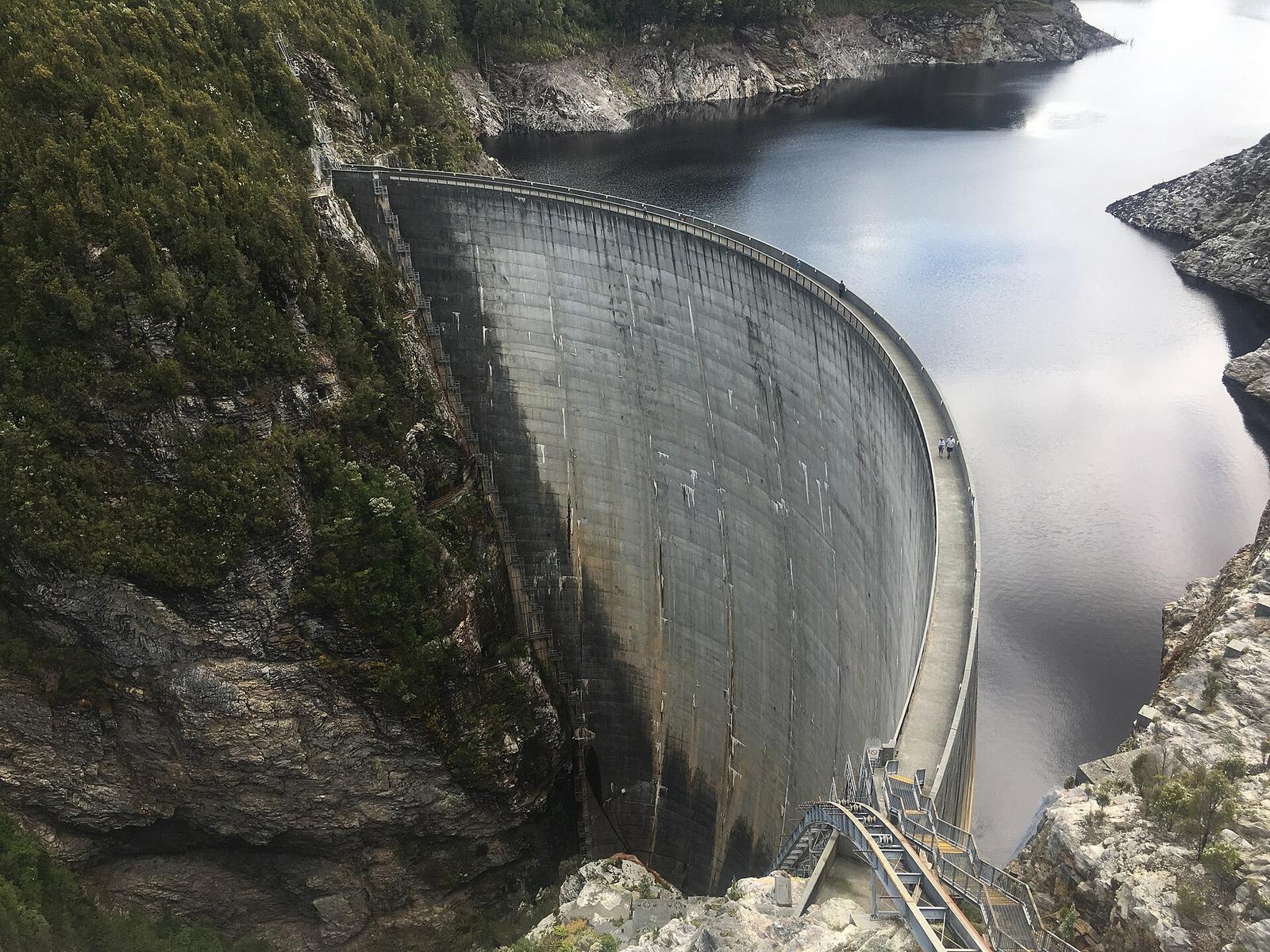
The foundation was laid in the mid-twentieth century, when the Hydro-Electric Corporation, still known simply as Hydro Tasmania, dammed the wild rivers of the state's southwest to power an industrial economy built around aluminium smelting and timber processing. Gordon Dam, completed in 1974 after years of bitter political debate, became the centrepiece of a system that gave Tasmania among the cheapest electricity prices in the country for decades. That competitive advantage gradually eroded as the state's industrial base contracted and the single Bass Strait interconnector, Basslink, proved both expensive and unreliable.
Basslink's failure in December 2015 triggered a crisis that forced Tasmania to truck diesel generators onto the Derwent Valley flats and beg industry to curtail consumption. The episode was humiliating, and it fundamentally changed the political calculus around energy security. A second interconnector stopped being aspirational and became, at least rhetorically, essential.
Enter Marinus Link, the proposed 1,500-megawatt undersea cable that would run from the northwest Tasmanian coast near Burnie across Bass Strait to Haywood in Victoria. The project, jointly developed by TasNetworks and AusNet Services, is designed to let Tasmania push renewable power north during peak demand and potentially import electricity when local storage is low. The federal government committed $750 million to the project under the Rewiring the Nation program in 2023, and the Liberal state government of Jeremy Rockliff has consistently described it as the centrepiece of Tasmania's economic future.
The Costs and the Complications
That future carries an eye-watering price tag. The current estimated cost of Marinus Link sits at approximately $3.8 billion for the full two-cable build, a figure that has climbed significantly from earlier projections and drawn criticism from energy economists who question whether Tasmanian households and mainland consumers should bear the financial risk. A final investment decision, originally anticipated for late 2024, has been deferred while the Australian Energy Regulator works through a revised regulatory investment test.
Meanwhile, the state's New Energy Tasmania brand and the broader Renewable Energy Zone framework have attracted serious wind development interest across the Central Highlands and the northwest coast. Projects near Granville Harbour and along the Robbins Island corridor in the state's far northwest have progressed through environmental approval stages, with Robbins Island Renewable Energy alone proposing up to 122 wind turbines capable of generating around 1,000 megawatts. That output only becomes genuinely valuable to the national grid if Marinus Link proceeds.
The political pressure intensified through 2025 as mainland energy prices spiked and the Australian Energy Market Operator flagged reliability risks for Victoria and South Australia heading into the 2030s. Tasmania's timing, despite the regulatory delays, is better than it has been in years.
What happens next depends on three concurrent processes: the AER's regulatory determination on Marinus Link, federal budget allocations in the 2026-27 forward estimates, and the appetite of private wind developers to commit capital without certainty about when the cable will be operational. The Rockliff government has staked significant political capital on a positive outcome, linking energy export revenue to relief on state debt and services. Tasmanians watching their power bills, and the ongoing saga over the AFL stadium at Macquarie Point, will be paying close attention to whether the Battery of the Nation actually charges up.