news
Hobart vs the world: how Tasmania's capital is managing a housing market that won't cool down
As property prices ease in Sydney and Melbourne, Hobart is defying the national trend, and the reasons why tell a story that goes well beyond interest rates.
How we reported this
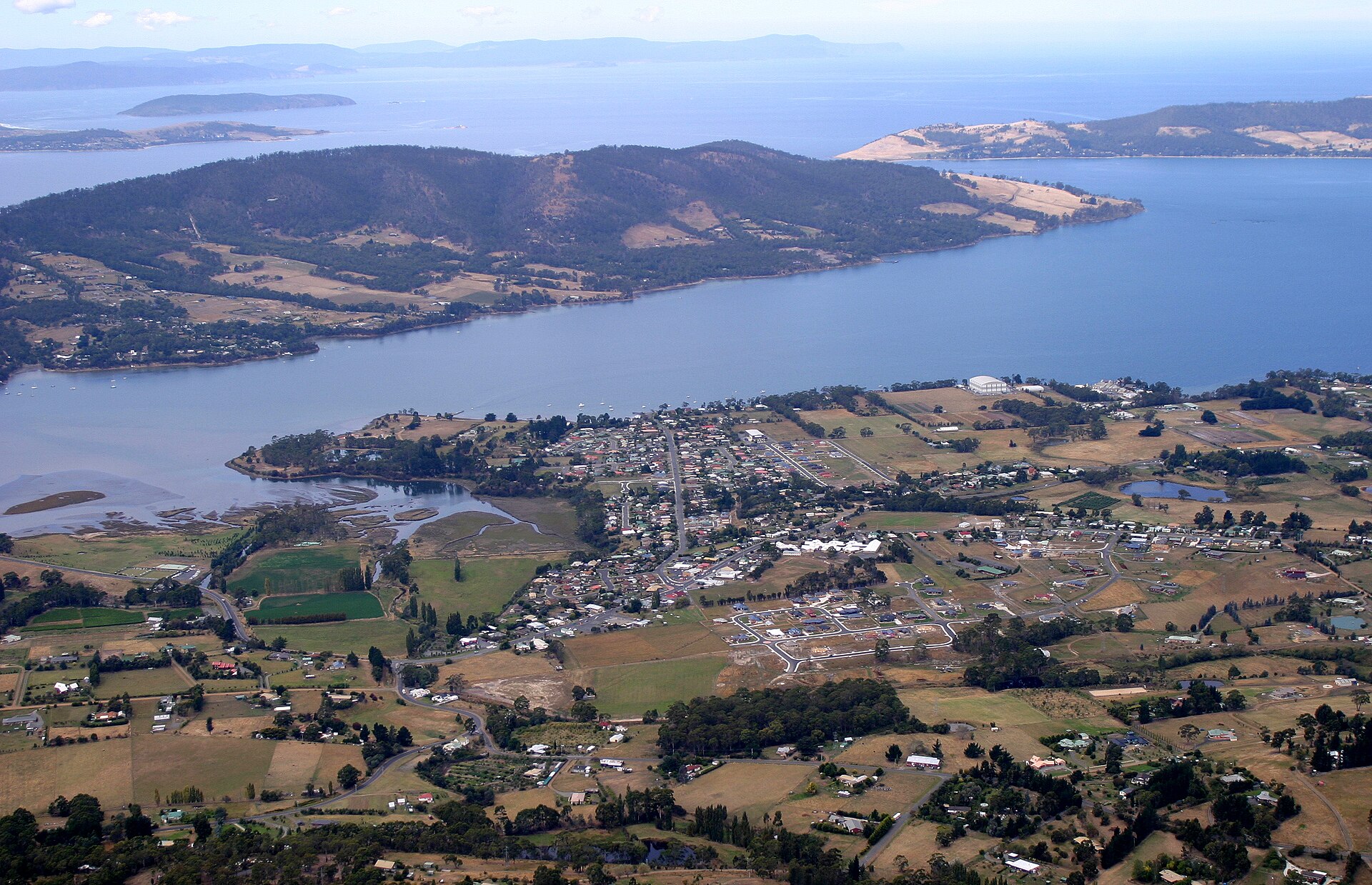
Hobart's median house price held at $718,000 through the June quarter, according to CoreLogic figures released this week, even as values in comparable mid-sized cities, Christchurch, Reykjavik, and Queenstown in New Zealand, have pulled back by between 4 and 9 per cent over the same twelve months. Australia's broader property market is softening, first-home buyers are sitting on their hands nationally, and yet the island state's capital keeps threading a different needle.
Why it matters now: the Tasmanian government's HomeShare shared-equity scheme, which allows buyers to co-purchase with Housing Tasmania, has had its waiting list swell to more than 1,400 applicants since January. The Liberal government insists the program is working. Critics say that claim strains credulity when the vacancy rate across Greater Hobart sits at just 0.8 per cent, one of the tightest rental markets in the OECD for a city of comparable size, according to a June 2026 Anglicare Tasmania Rental Affordability Snapshot.
What Hobart has that Christchurch and Reykjavik don't
The comparison cities are instructive. Christchurch rebuilt its housing stock aggressively after the 2011 earthquakes, adding roughly 24,000 new dwellings in under a decade and pushing its vacancy rate above 2 per cent. Reykjavik, long plagued by volcanic-island land scarcity similar in logic to Tasmania's Green Zone planning constraints, began releasing peri-urban land in the Grótta corridor after 2022 and saw prices moderate within 18 months. Hobart has done neither. The Tasmanian Planning Commission approved just 1,140 new residential lots in 2025 across the entire state, down from 1,890 in 2022.
On Macquarie Street in the CBD and out through the inner suburbs of Glebe and South Hobart, the pressure shows in the street-level texture of the place. Rental listings on Domain for a two-bedroom unit in Battery Point averaged $620 per week in June, up from $530 this time last year. Community housing provider Housing Choices Tasmania flagged in its most recent board report that it had turned away 340 applicants between February and May alone due to stock constraints.
The AFL stadium saga at Macquarie Point has absorbed political oxygen that might otherwise go toward housing density policy. The revised stadium cost estimate, now sitting at $975 million after two budget revisions in 18 months, has tied up precinct planning and delayed the release of adjacent residential development on the old rail yards. Those lots were originally flagged for mixed-income housing by 2025. They remain a fenced construction staging area.
The Marinus Link wildcard
Energy costs add another layer. The Marinus Link project, the 1,500-megawatt undersea cable connecting Tasmania to Victoria, is due to reach financial close in late 2026, but uncertainty around federal cost-sharing has rattled developers who price energy infrastructure into long-term apartment feasibility models. Two build-to-rent proposals in Moonah stalled in the first half of this year, with developers citing energy price risk as a contributing factor alongside construction material costs still running 18 per cent above 2021 levels.
By contrast, Queenstown, New Zealand, a tourism-dependent small city whose property dynamics most closely mirror Hobart's, has begun converting surplus short-term accommodation stock back into long-term rentals after the Queenstown Lakes District Council imposed a targeted levy on Airbnb-style properties in 2025. Hobart City Council debated a similar short-stay accommodation levy proposal in March but deferred a decision until later this year, citing the need for further economic modelling.
For anyone watching the Hobart market from North Hobart's flat streets or Geilston Bay's hillside subdivisions, the practical reality is blunt: supply is not arriving fast enough to change the arithmetic. The next pressure point is the state budget mid-year update due in August, where Housing Tasmania's capital allocation will either signal a genuine shift in ambition or confirm that the island is content to watch comparable cities draw lessons it has so far declined to apply.