news
Power Lines and Kitchen Tables: Tasmanians Divided on the 'Battery of the Nation' Dream
From highland farmers to Hobart renters, ordinary Tasmanians are starting to reckon with what the state's renewable energy ambitions will actually cost them, and who benefits.
How we reported this
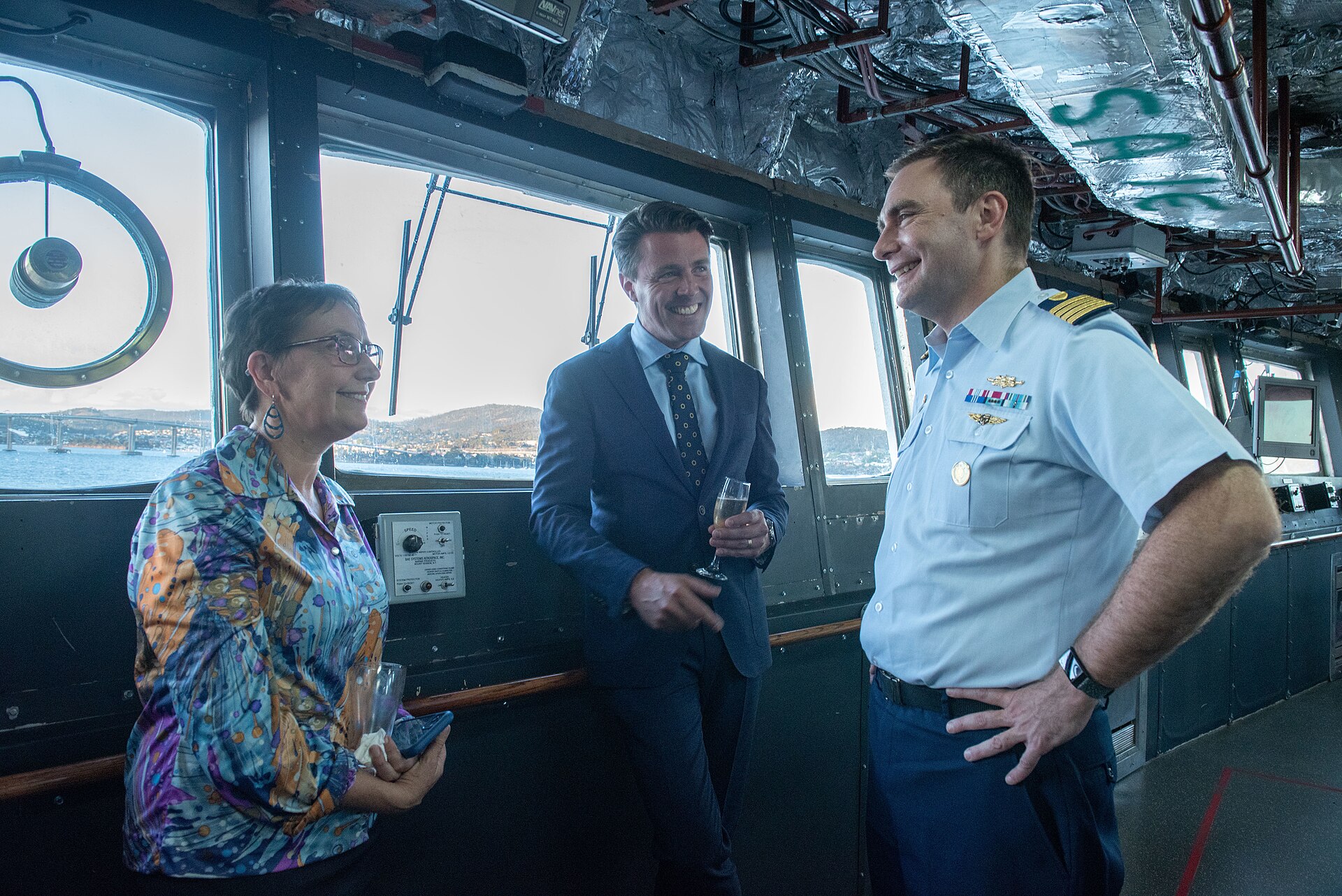
Tasmania's Liberal government has staked the state's economic future on a single, ambitious claim: that the island can become Australia's renewable energy powerhouse, storing and exporting clean electricity to the mainland via the $4.1 billion Marinus Link undersea cable. For residents living in the shadow of proposed wind farms, new transmission corridors and rapidly rising power bills, the pitch has started to wear thin.
The timing is pressing. Marinus Link's construction timeline targets a first cable energisation by 2031, and TasNetworks is currently finalising easement negotiations with landowners across the state's north and central highlands. The federal government committed $1.1 billion to the project in last year's budget. With investment locked in and machinery scheduled, the window for community voices to shape how this transition unfolds is closing faster than many locals realise.
Pylons on the Horizon: Highland Communities Push Back
In the Central Highlands around Bothwell and Miena, graziers and tourism operators have spent the past eighteen months attending community consultation sessions run by TasNetworks and the state's Renewable Energy Coordinator. The proposed transmission corridor threading down from the Tasmanian Central Energy Hub, the government's name for the concentrated wind and pumped hydro development zone anchored around the Tarraleah and Tungatinah schemes, cuts through some of the most fiercely contested country in the state.
Bothwell, population roughly 360, sits at the edge of the Great Lake plateau. Property owners near the proposed easement corridor have raised concerns through the Tasmanian Farmers and Graziers Association about compulsory acquisition provisions and compensation rates they regard as inadequate. Several have engaged lawyers. One family farming near the Lake Highway since the 1970s submitted a formal objection to the Land Use Planning and Approvals Tribunal earlier this year, citing impacts on their Merino wool operation and the visual amenity that underpins their rural stay accommodation business.
On the west coast, community members connected to the Circular Head and Waratah-Wynyard council areas, where multiple large wind projects have received or are seeking approval, have formed informal networks to share information about noise assessments and setback distances. The Robbins Island Wind Farm, approved in 2023 and one of the largest wind projects in the southern hemisphere at up to 200 turbines, remains a flashpoint. Residents in Smithton have attended public forums at the Circular Head Arts Centre asking detailed questions about the project's decommissioning bonds and who bears rehabilitation costs when the turbines reach end of life in thirty years.
Renters and Rising Bills: The Affordability Fault Line
The renewable buildout's promise of cheaper electricity has yet to materialise in household bills. Aurora Energy's residential standing offer rate hit 34.8 cents per kilowatt-hour in July 2025, a 12 per cent increase on the prior year, and a further review is scheduled for January 2027. In suburbs like Glenorchy and Rokeby, where median household incomes sit well below the Hobart average, community workers at organisations including the Hobart City Mission report steady growth in the number of clients seeking emergency energy bill assistance.
The Tasmanian Council of Social Service has repeatedly asked the government to guarantee that Marinus Link revenue streams, projected at several hundred million dollars annually once the cable is operational, are quarantined partly for a household energy concession fund. The government has not committed to that mechanism. Energy Minister Michael Ferguson told parliament in May that the project's economic returns would flow broadly to Tasmanians through the budget, without specifying how.
Aboriginal land rights add another layer. Parts of the Central Plateau slated for wind and transmission development sit on country subject to ongoing return negotiations under the Aboriginal Land Act 1995. The Aboriginal Land Council of Tasmania has indicated it expects formal consultation rights over any renewable infrastructure proposed for land currently under review, a process that has no clear legislative deadline.
The next fixed public consultation point is a TasNetworks community information session scheduled for Deloraine in late August, covering the northern transmission corridor. For anyone with land, a lease, a view or a power bill in the affected regions, showing up to that session, and lodging a formal submission to the Renewable Energy Coordinator's office before the September 30 deadline, remains the most direct avenue to put a local voice on the record before ground is broken.