news
Tasmania's Salmon Aquaculture Industry at a Crossroads: What Happens Next and the Key Decisions Ahead
As the state government weighs options for environmental regulation, local communities and businesses are left wondering about the future of the industry
How we reported this
The Tasmanian government's recent announcement to review the state's salmon aquaculture industry has sent shockwaves throughout the local community, with many wondering what the future holds for this significant sector. The industry, which is worth approximately $750 million annually to the state's economy, is facing increasing pressure to improve its environmental sustainability.
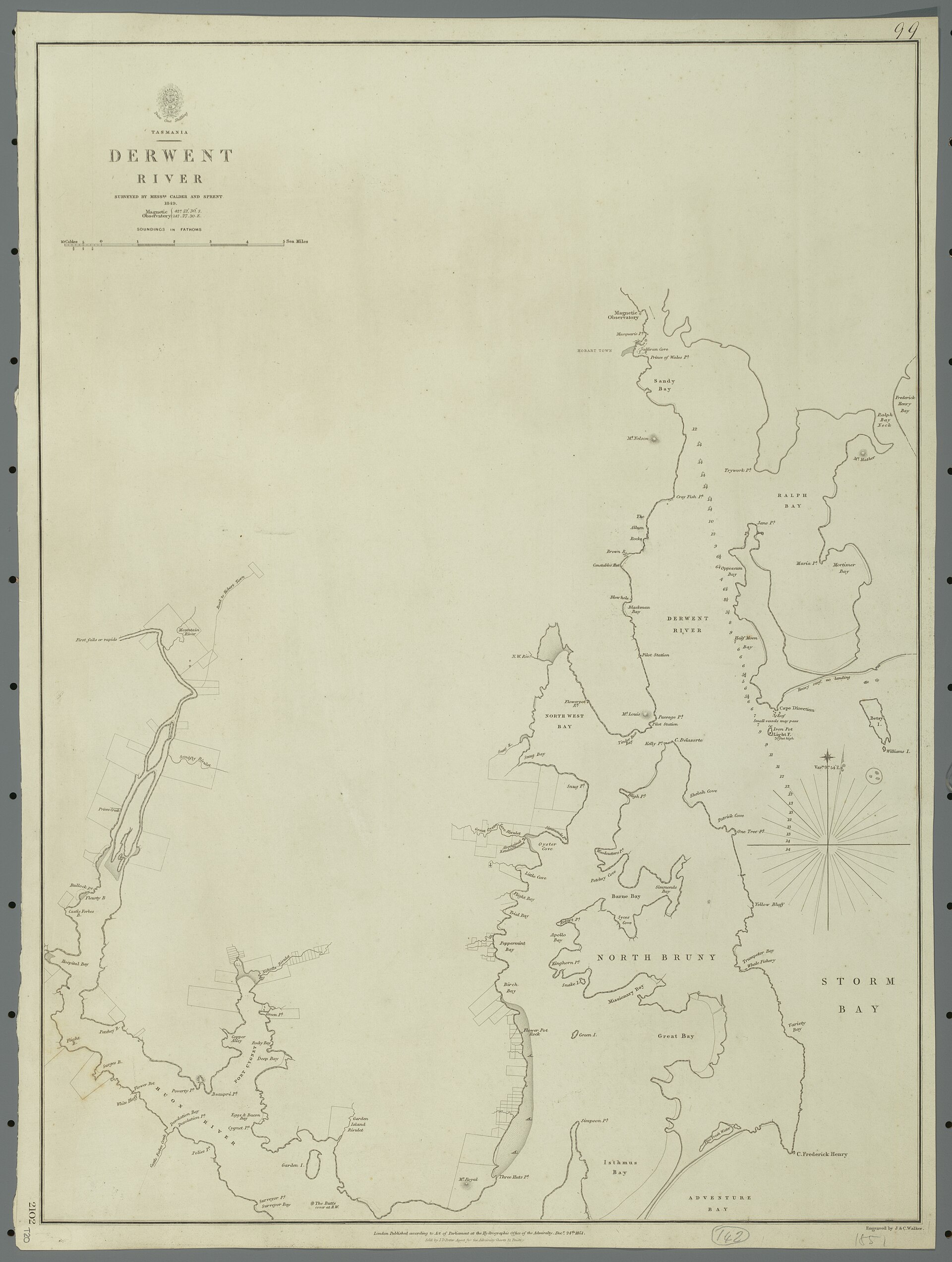
The review comes at a critical time, as concerns about the industry's impact on the state's marine environment continue to grow. With the Tasmanian Wilderness World Heritage Area and the Great Barrier Reef-like reefs of the Tasman Sea, the state has a unique and fragile ecosystem that requires careful management. The salmon aquaculture industry, which is primarily based in the southern region of the state, including areas such as Macquarie Harbour and Storm Bay, has been accused of contributing to pollution and habitat destruction.
Local Impacts and Concerns
In specific locations such as Dover and Strahan, local residents and business owners are expressing concerns about the potential impacts of the review on their communities. The Tasmanian Salmonid Growers Association, which represents the industry, has stated that any changes to regulations must be based on scientific evidence and must not unfairly impact the industry. Meanwhile, organisations such as the Tasmanian Conservation Trust and the Wilderness Society are pushing for stronger environmental protections, citing the need to preserve the state's unique and fragile ecosystem.
According to data from the Tasmanian Department of Primary Industries, Parks, Water and Environment, the salmon aquaculture industry produced over 53,000 tonnes of salmon in the 2020-2021 financial year, with a value of approximately $714 million. The industry also supports around 1,200 jobs directly and indirectly. However, a report by the University of Tasmania's Institute for Marine and Antarctic Studies found that the industry is responsible for significant environmental impacts, including the release of nutrients and sediments into the marine environment, which can contribute to the decline of marine ecosystems.
As the state government considers its next steps, it will be crucial to balance the needs of the industry with the need to protect the state's environment. The government has announced that it will be establishing an independent review panel to examine the industry and provide recommendations for its future management. The panel, which will be chaired by a renowned environmental scientist, will consider a range of factors, including the industry's environmental impacts, its economic benefits, and its social implications. With the future of the industry hanging in the balance, local communities and businesses will be watching the review process closely, eager to learn what the key decisions ahead will mean for them.