news
How Tasmania's Public Image Archive Ended Up Full of Duplicates, and What It Will Take to Fix It
A sprawling, underfunded digitisation effort across state government agencies left Tasmania's official image libraries riddled with redundant files, and the cleanup is only now getting serious.
How we reported this
Tasmania's state government holds tens of thousands of digital images across at least a dozen agencies, tourism campaigns, heritage records, planning documents, public infrastructure photography, and a significant portion of those files are duplicates. The Libraries Tasmania digitisation program, which has been running in various forms since the early 2000s, accelerated sharply after 2015 when multiple departments began scanning physical archives independently, without a shared naming convention or central repository. The result was predictable: the same photograph uploaded under different filenames, stored on different servers, sometimes licensed differently by different agencies.
That problem matters right now because the Liberal government's push to attract infrastructure investment, from the contested Macquarie Point AFL stadium to the ongoing Marinus Link undersea cable project, has put pressure on agencies to publish clean, verifiable visual records for environmental assessments, heritage impact statements, and public consultation documents. Duplicate or misidentified images in those records are not a bureaucratic inconvenience. They can invalidate a consultation process or trigger a legal challenge.
How the Duplication Built Up Over Two Decades
The story starts well before the current government. In the late 1990s, Tasmanian agencies began digitising film and slide collections held at institutions including the Allport Library and Museum of Fine Arts on Murray Street in Hobart, and the Queen Victoria Museum and Art Gallery in Launceston. Each institution made its own choices about file format, resolution, and metadata tagging. When the state moved to whole-of-government digital asset management after 2010, those siloed collections were migrated, not rationalised. Files came across as-is.
A 2019 audit of the Service Tasmania digital asset environment, referenced in budget estimates hearings but never publicly tabled in full, flagged that the central image repository contained a duplication rate that made systematic retrieval unreliable for frontline staff. Tourism Tasmania, which operates one of the most actively managed image libraries in any Australian state government, runs a separate platform entirely, meaning images shot on publicly funded assignments can exist simultaneously in the Tourism Tasmania portal, the DPAC internal drive, and the archived hard copy held at Argyle Street storage in Hobart's CBD.
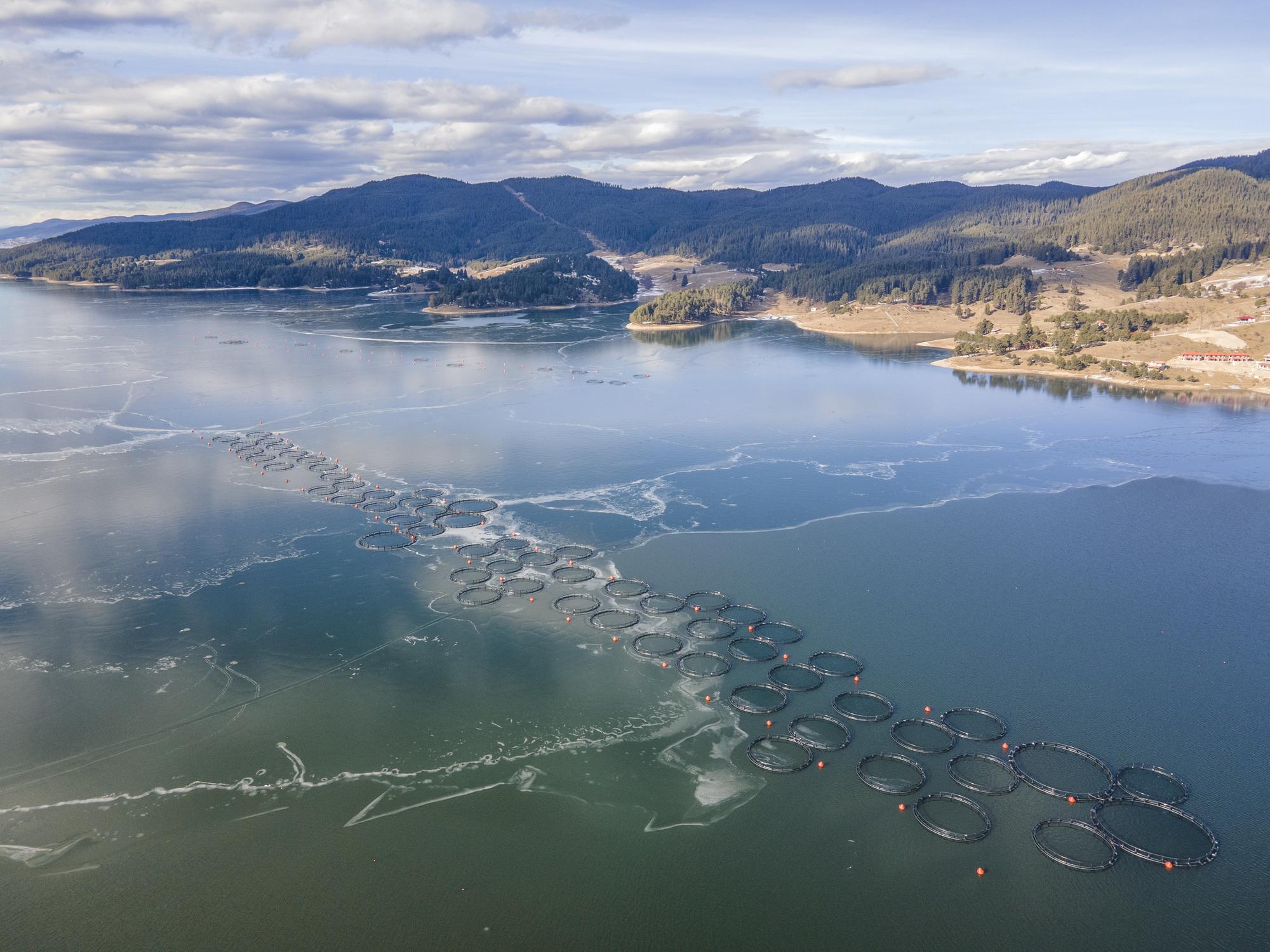
The Department of Natural Resources and Environment Tasmania compounded matters when it absorbed several predecessor agencies between 2020 and 2022. Staff at the Rosny Park offices inherited image folders from the former Department of Primary Industries, Parks, Water and Environment, folders that had never been deduplicated and that contained aerial survey photographs from salmon aquaculture monitoring going back to 2012. Some of those images were duplicated three or four times with different geotag metadata attached to the same file, a known risk when image management workflows are merged without prior audit.
What a Cleanup Actually Requires
Duplicate image replacement is not simply a matter of deleting obvious copies. Any image embedded in a published document, a web page, or a formal assessment record needs to be replaced with the canonical version before the duplicate is removed, or links break and archived documents become corrupted. Libraries Tasmania's digital preservation team, based at the Argyle Street complex, began a structured deduplication pilot in late 2024 covering the pre-1960 photographic collection. That pilot used perceptual hashing, a technique that identifies visually identical or near-identical images regardless of filename, across roughly 40,000 files.
The broader state government library, which runs to an estimated several hundred thousand assets across all agencies, has no confirmed timeline for a full deduplication sweep. Budget documents tabled in Parliament in May 2026 allocated $1.4 million to Libraries Tasmania for digital preservation work in the 2026-27 financial year, though the agency has not publicly specified what share of that funding covers deduplication specifically.
For agencies with active publishing obligations, particularly those managing consultation records for the Macquarie Point Development Corporation or the Marinus Link environmental impact process, the practical advice from archivists and records managers is consistent: audit your image library before you publish, not after. Retroactive cleanup is slower and more expensive than building deduplication checks into upload workflows from the start. That lesson, apparently, had to be learned the hard way across most of state government before anyone moved to act on it systematically.