news
Tasmania's Salmon Aquaculture Industry at a Crossroads: What Happens Next and the Key Decisions Ahead
As the state government weighs new environmental regulations, local businesses and communities are bracing for impact
Listen in English · 3 min
How we reported this
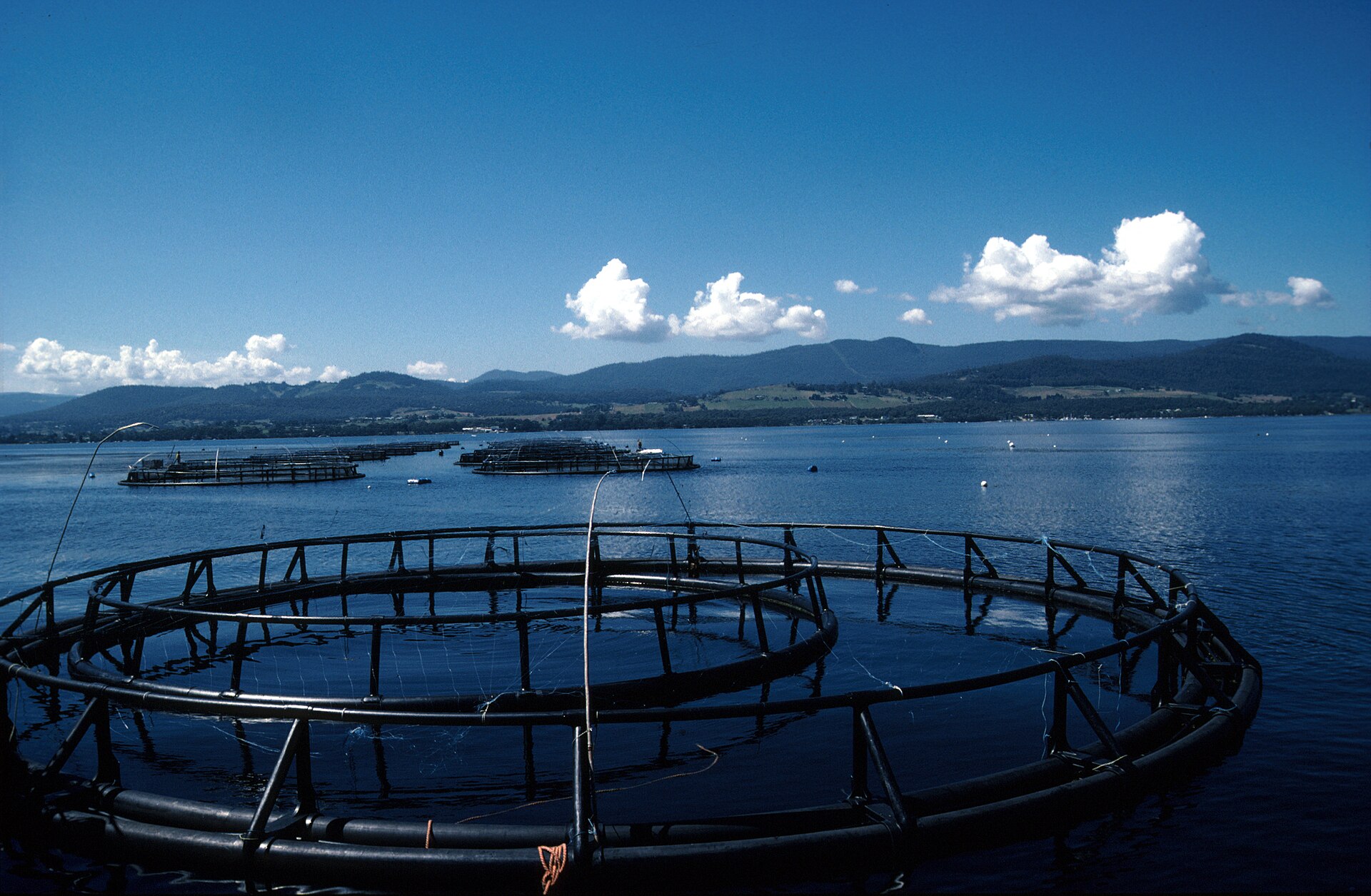
The Tasmanian government's proposed overhaul of salmon aquaculture regulations has sparked intense debate, with key decisions looming on the industry's future. A draft policy released last month outlines stricter environmental standards and increased monitoring, which could significantly impact the state's $300 million salmon farming industry.
The proposed changes matter now because they come at a critical juncture for Tasmania's economy and environment. The salmon industry is a significant employer in regional areas, with major operators like Tassal and Petuna maintaining facilities in places like Devonport and Strahan. However, concerns over fish escapes, water pollution, and habitat destruction have prompted calls for greater regulation. The government must balance the industry's economic benefits with the need to protect Tasmania's unique and fragile environment.
Local Implications and Industry Response
In local communities like Hobart's waterfront and the picturesque town of Kettering, the salmon industry's presence is deeply felt. The industry supports local businesses, from equipment suppliers to hospitality providers, and its impact is evident in the bustling Salamanca Market and the scenic Channel Highway. Organisations like the Tasmanian Salmonid Growers Association and the Wilderness Society are closely watching the government's next moves, with the former advocating for a phased introduction of new regulations and the latter pushing for more stringent environmental protections.
According to data from the Tasmanian Department of Primary Industries, Parks, Water and Environment, the state's salmon farms produced over 58,000 tonnes of fish in the 2020-21 financial year, with a total value of $287 million. The industry employs around 1,200 people directly and supports a further 2,500 jobs in related industries. With the proposed regulations aiming to reduce the industry's environmental footprint, the government will need to carefully consider the potential economic impacts, including the estimated $10 million annual cost of implementing the new standards.
As the government prepares to make key decisions on the industry's future, local residents and businesses are advised to stay informed and engaged in the consultation process. The proposed regulations are open for public comment until August 31, and submissions can be made through the government's website or by attending one of the scheduled community forums in places like Launceston and Burnie. By participating in the process and providing feedback, Tasmanians can help shape the future of the salmon industry and ensure that it balances economic and environmental considerations.