news
Tasmania's Digital Archives Hide Millions in Duplicate, Corrupted Records
New data reveals the scale of duplicate and corrupted image records clogging Tasmanian government and cultural institution databases, and the bill for fixing them.
How we reported this
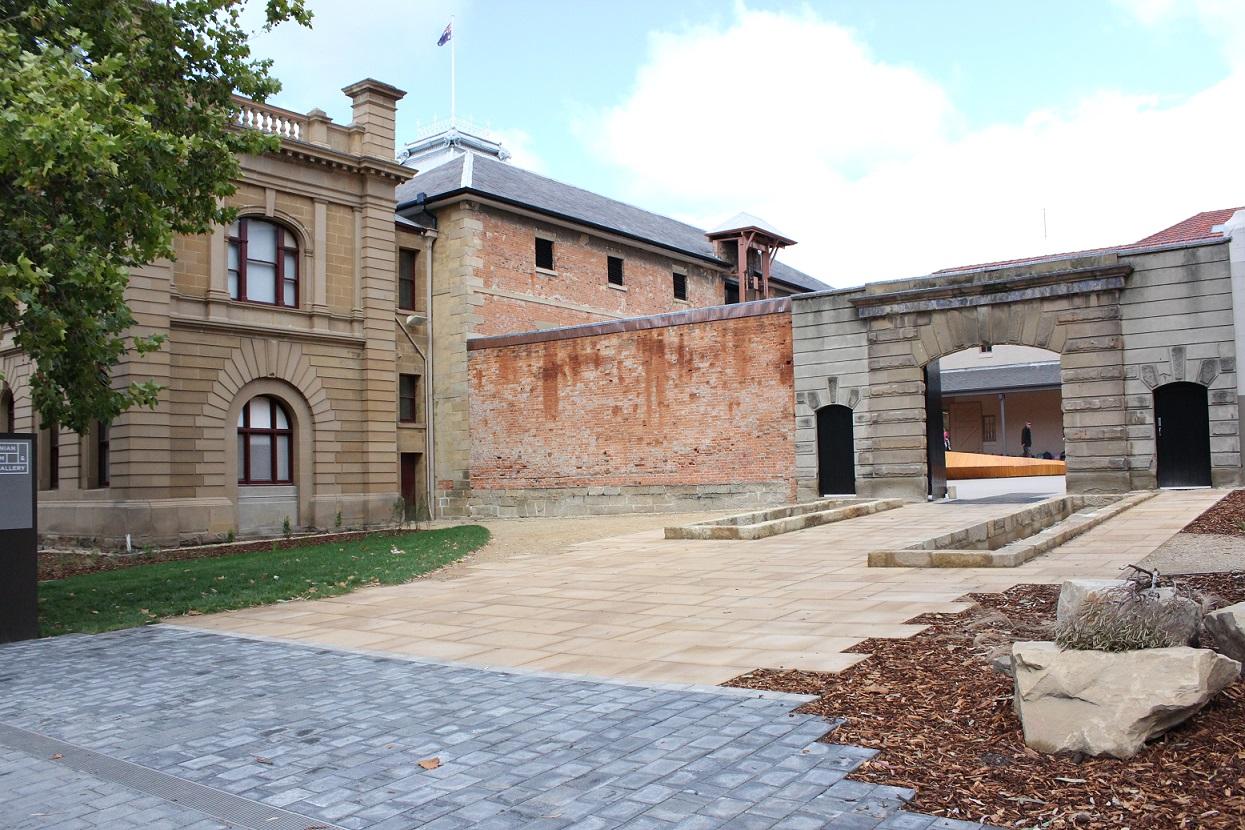
Tasmanian government agencies and publicly funded cultural institutions are sitting on tens of thousands of duplicate digital image files, with an internal audit process now underway across at least three major Hobart-based organisations to identify and replace corrupted or redundant records. The problem has been building quietly for years, but the numbers emerging from that process are substantial.
The Tasmanian Museum and Art Gallery on Dunn Place in Hobart, which holds one of the oldest public collections in Australia, began a formal digital asset review in early 2026 after a routine storage upgrade exposed significant duplication rates in its photographic catalogue. Libraries Tasmania, which manages heritage collections across sites including the Allport Library and Museum of Fine Arts on Murray Street, is running a parallel exercise. Neither organisation has publicly released final figures, but the scope of the work points to a problem that is institution-wide rather than incidental.
What the Numbers Show
Digital asset management consultants working across Australian state institutions generally flag duplication rates of between 15 and 30 percent as typical for collections that migrated from analogue systems before 2015 without dedicated deduplication software. For institutions with photographic holdings numbering in the hundreds of thousands, TMAG's documented collection runs to more than a million objects, a proportion of which have associated digital image files, even a conservative 15 percent duplication rate translates to tens of thousands of redundant files consuming server space and degrading search accuracy.
Cloud storage costs in the Australian government sector have risen sharply. Standard pricing for secure, compliant cloud storage used by state-level agencies sits broadly in the range of $30 to $60 per terabyte per month depending on the vendor and redundancy tier. A collection with 50,000 unnecessary duplicate image files, each averaging 20 megabytes at high resolution, occupies roughly one terabyte of unnecessary storage. Over a year, that is a recurring cost with no public benefit attached to it.
The Archives Office of Tasmania, headquartered on 91 Murray Street in Hobart, flagged the broader issue in correspondence tabled at a 2025 budget estimates hearing, noting that digitisation programs funded under the state government's Cultural and Creative Industries strategy had prioritised throughput over quality control. That meant files were ingested quickly, but without systematic checks for duplication or image integrity at the point of upload.
Why This Matters Beyond Storage Bills
The practical consequences stretch beyond server costs. When duplicate or corrupted images sit in a collection's public-facing catalogue, as they do on several Libraries Tasmania online portals, they degrade the research experience for anyone trying to use those records. Genealogists working through the Tasmanian Names Index, one of the most heavily used heritage databases in the state, have long noted inconsistencies in the photographic records attached to certain historical entries. Duplicate replacement work directly addresses that friction.
The state government's Digital Strategy 2030, released in 2023, committed to lifting data quality standards across all agencies by the end of the decade. Funding attached to that commitment included $4.2 million over four years for digital infrastructure improvements across cultural institutions, though how much of that is earmarked specifically for data remediation rather than new digitisation has not been broken down in public budget documents.
For institutions working through their own backlogs, the practical path forward involves three stages: automated deduplication scanning to flag candidate files, human review of flagged items to confirm which version, if any, holds the highest image quality and correct metadata, and then systematic replacement or deletion. Depending on collection size and staff resourcing, that process takes months, not weeks. TMAG's review, started in the first quarter of 2026, is not expected to produce a public report until late in the year.
Tasmanians who have submitted family photographs or historical documents to Libraries Tasmania's community digitisation programs can check whether their contributed materials appear correctly in the online catalogue. Where records appear duplicated or images load as corrupted placeholders, Libraries Tasmania asks that members of the public use the feedback form attached to each catalogue entry, a small but direct way the public can accelerate a process that, by the numbers, has a long way to run.