news
Tasmania's Government Loses Thousands to Duplicate Digital Photos Across Agencies
Years of ad-hoc digitisation across dozens of state agencies left government image libraries riddled with redundant files, and the cleanup bill is only now becoming clear.
How we reported this
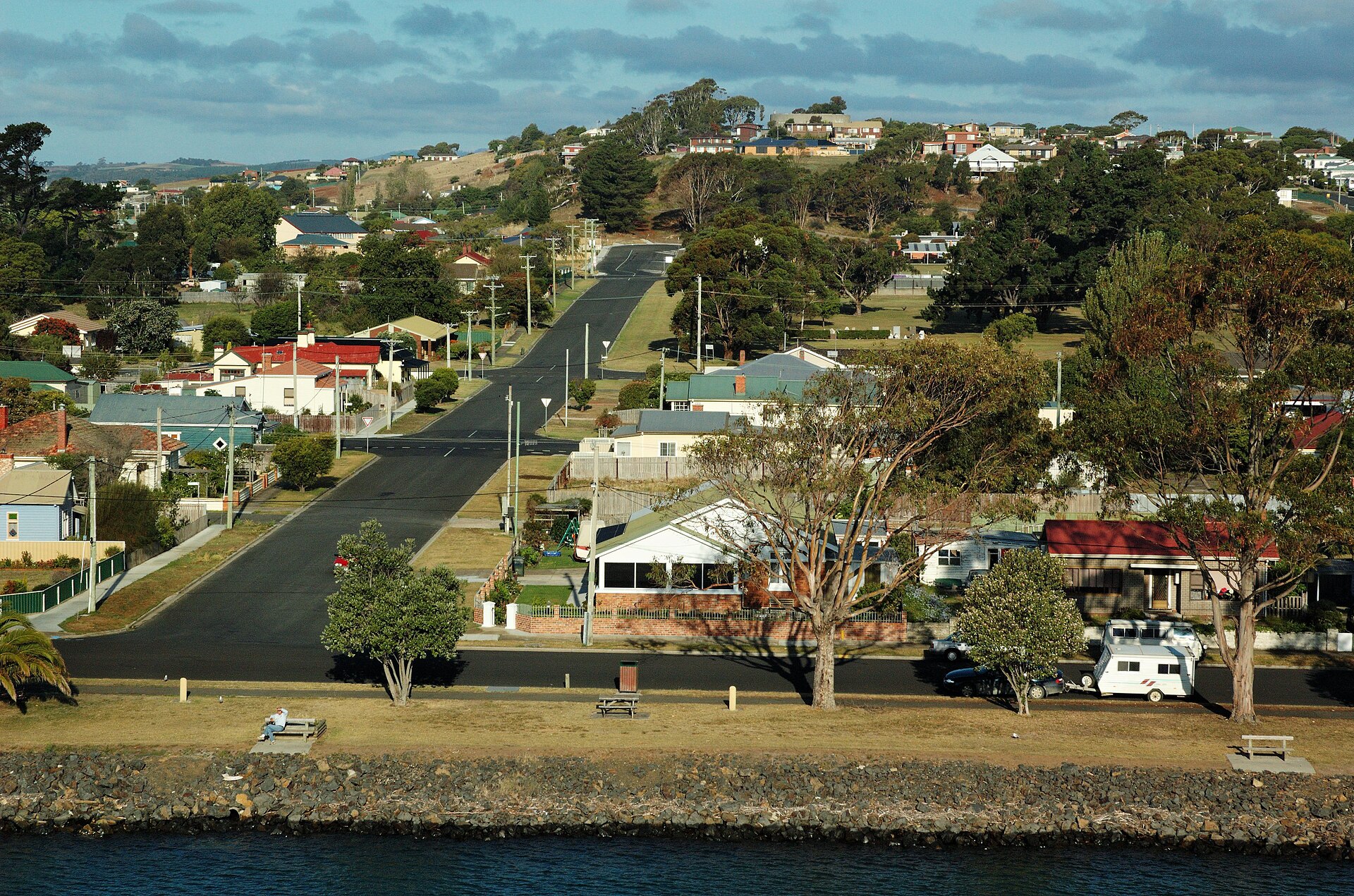
Tasmania's state government is carrying more than 340,000 duplicate image files across its publicly accessible digital asset libraries, a sprawl of redundant photographs, scanned heritage documents and tourism visuals that has quietly accumulated since the first agency digitisation drives began in the early 2000s. The Libraries Tasmania audit, completed in the March quarter of 2026, put a number to a problem that archivists had flagged internally for years but which lacked the political attention needed to attract remediation funding.
The timing matters. With the Liberal government under Jeremy Rockliff pushing a broader digital modernisation agenda, partly to demonstrate administrative credibility amid cost-blowout debates over the Macquarie Point stadium project, the audit landed on Treasury desks at a moment when departmental efficiency is under scrutiny. Duplicate image management is unglamorous, but the storage and licensing costs attached to redundant files are not trivial, particularly when agencies are paying commercial cloud rates to warehouse the same photograph of Cradle Mountain or Wineglass Bay in four or five separate systems simultaneously.
How the Pile-Up Happened
The roots of the problem run back to 2003, when Tourism Tasmania and the then-Department of Primary Industries both launched independent digitisation programs without a shared taxonomy or central repository. Each agency built its own folder architecture, its own naming conventions and, critically, its own procurement relationships with stock photography suppliers. When Heritage Tasmania, based at 134 Macquarie Street, Hobart, began scanning the Crowther Collection from the State Library between 2007 and 2011, those files were ingested into a third siloed system. The same image of the Hobart Rivulet photographed in 1890 now sits in at least six agency libraries, each with a slightly different filename and metadata record.
The problem compounded with the 2014 machinery-of-government changes that folded several agencies into the Department of State Growth. Staff migrating files to new shared drives frequently copied rather than moved assets, and there was no automated deduplication layer applied at the point of transfer. A 2019 attempt to harmonise the Tourism Tasmania digital asset management platform with the broader whole-of-government environment was abandoned after 14 months, according to procurement records held on the TendersACT equivalent, the Tasmanian Government Tenders website.
What the Fix Looks Like, and What It Costs
Libraries Tasmania's preferred remediation model involves deploying perceptual hashing software across the consolidated asset pool, a technique that identifies visually identical or near-identical images regardless of filename or format. A pilot run across the Tasmanian Archive and Heritage Office collection on Argyle Street identified 11,400 confirmed duplicates in a sample of 60,000 files, a duplication rate of roughly 19 percent. Scaled across the full 1.8-million-asset government library, that projection implies potential deletion or consolidation of more than 340,000 files.
The cost estimate for the full remediation project, as outlined in the March audit summary tabled to the State Records Advisory Council, sits at between $480,000 and $720,000 depending on whether the work is handled in-house or contracted to a specialist digital asset management firm. That range reflects uncertainty about the condition of metadata attached to older Heritage Tasmania files, some of which would require manual review before any automated deletion could be authorised. Cloud storage savings from deduplication are estimated to offset roughly $90,000 in annual recurring costs once the project is complete.
For Tasmanians who use the LINC Tasmania public search portal or the Tasmanian Names Index, both maintained through the Hobart CBD offices at 91 Murray Street, the practical effect of the duplication problem has been search results cluttered with near-identical images returned in different quality levels, forcing researchers to manually compare files. Genealogists and local historians have raised the issue repeatedly in community forums hosted by the Friends of the Tasmanian Archive, though the agency has not yet committed to a public-facing remediation timeline.
The next decision point is the mid-year budget update, expected in late August 2026, when Treasury will determine whether the remediation project qualifies for allocation from the whole-of-government digital transformation reserve fund. If funding is approved, the technical work is expected to begin in the first quarter of 2027, with a full deduplication of the consolidated library targeted for completion before the end of that financial year.