news
How Tasmania's Public Image Archives Ended Up Full of Duplicates, and What It Took to Get Here
A quiet crisis in government and tourism digital asset management has been years in the making, shaped by agency mergers, budget constraints, and a photography boom that nobody properly catalogued.
How we reported this
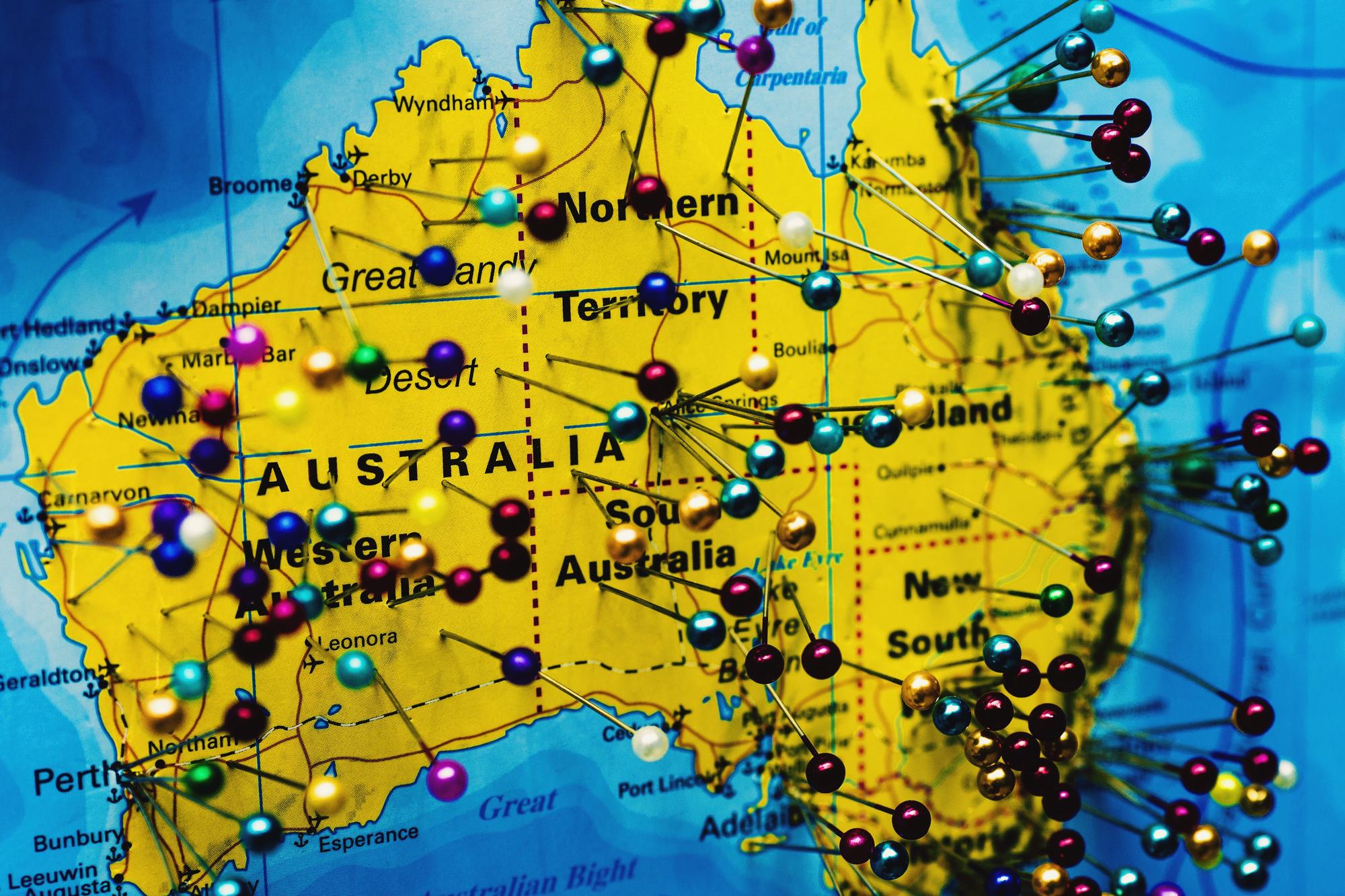
Tasmania's state government holds tens of thousands of digital images spread across at least four separate content management systems, and a significant share of those files are duplicates, many stored multiple times under different filenames, in different folders, by different agencies that never spoke to one another. The problem has no single dramatic origin. It accumulated, slowly, across more than a decade of departmental reshuffles and underfunded digital infrastructure.
The issue matters now because the Liberal government's push to grow tourism and attract investment depends heavily on fast, accurate visual content. Tourism Tasmania, headquartered on Elizabeth Street in Hobart, licenses images to interstate and international media partners on a rolling basis. When the same photograph of Cradle Mountain or the Salamanca Market waterfront exists under six different file names across three platforms, licensing records become unreliable, rights clearances get duplicated or missed, and staff waste time manually checking whether a file is the original or a copy. That is not a hypothetical, it is a workflow problem digital asset managers in the sector have flagged repeatedly in recent years.
The Mergers That Made the Mess
The foundations of the current situation were laid during the 2014-2019 period, when a series of Tasmanian public sector restructures folded smaller agencies into larger ones. The former Department of Primary Industries, Parks, Water and Environment absorbed photography collections from Parks and Wildlife Service field offices across the state, including those operating out of the Cradle Mountain Visitor Centre and the ranger stations at Freycinet National Park near Coles Bay. Each office had its own naming conventions, its own backup drives, and its own idea of what constituted an archive-quality image versus a working file.
Tourism Tasmania underwent its own digital transition around the same time, migrating from an older asset library to a newer cloud-based platform. The migration was not a clean cut. Legacy files were bulk-uploaded rather than individually assessed, meaning duplicate images from pre-2014 campaigns arrived in the new system alongside the originals. Staff turnover meant the institutional knowledge of which files were authoritative often walked out the door with departing employees.
The Department of State Growth, which oversees infrastructure marketing including materials related to projects like the Marinus Link undersea cable, has its own image library. So does the AFL stadium project office, which has been producing renders and site photography since the Macquarie Point Development Corporation began its work in earnest. Each body operates largely independently, with no shared tagging taxonomy or deduplication protocol in place across agencies.
The Scale of the Problem
Precise figures on the total number of duplicate images held across Tasmanian government systems have not been publicly released. However, digital asset management industry benchmarks suggest that large organisations migrating legacy libraries without structured audits typically find duplicate rates of between 20 and 40 percent of total file counts. For an archive of even 50,000 images, a conservative estimate given the breadth of agencies involved, that means thousands of redundant files consuming storage, complicating search, and creating rights-management risk.
The cost is not only administrative. Cloud storage and licensing platform fees scale with file volume. Every unnecessary duplicate adds to those costs over time, and the Tasmanian government, like all state governments, has faced sustained pressure on technology budgets since at least the 2022-23 fiscal year.
What happens next depends on whether the government treats the problem as a technical task or a governance one. A technical fix, running automated deduplication software across a single platform, is achievable in weeks. The harder work is establishing shared metadata standards across agencies, agreeing on a single authoritative source for licensed images, and assigning ongoing responsibility to a named team rather than leaving it to individual departments. Organisations like the Tasmanian Museum and Art Gallery on Dunn Place have built those frameworks for their own collections. The broader public sector has not yet followed that example in any coordinated way, and until it does, the archive will keep growing, duplicates and all.