news
Tasmanian Council Swaps Irreplaceable Historic Photos for Generic Stock Images
Residents across Hobart and Launceston say irreplaceable historical photographs of their homes and neighbourhoods were quietly swapped out for stock images in a state heritage database overhaul, with some only discovering the change years later.
How we reported this
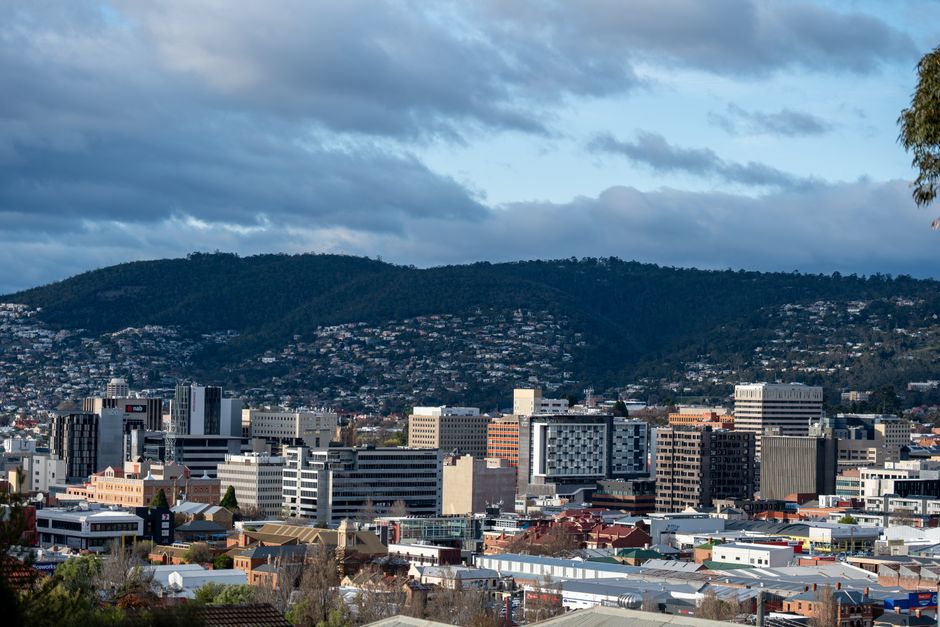
Dozens of Tasmanian families have come forward in recent weeks to say their contributed photographs vanished from the State Heritage Register's public-facing database, replaced by generic placeholder images they do not recognise, after a backend system migration carried out in late 2024. The issue, which affects entries spanning properties from Battery Point to the South Launceston heritage precinct, has prompted calls for the Heritage Council of Tasmania to audit every listing touched by the changeover.
The timing matters. The Tasmanian Liberal government flagged heritage protection as a priority in its 2025 planning reform agenda, and the register itself is the primary legal instrument communities use to argue against unsympathetic development applications. When the photographic record of a listed property is wrong, or simply blank, it weakens that argument in front of the Resource Management and Planning Appeal Tribunal.
Battery Point Residents Were the First to Notice
Residents along Hampden Road and Cromwell Street in Battery Point say they spotted the problem after checking listings for properties affected by a proposed infill development late last year. Several entries that had previously carried detailed façade photographs, some uploaded by the Sullivans Cove Waterfront Authority and local historical societies over more than a decade, now displayed low-resolution stock images of generic Victorian terraces, clearly not taken in Tasmania.
The Hobart City Council's heritage advisory officers have been fielding inquiries since at least February 2026, according to council correspondence obtained under a right-to-information request. Residents in the area say they were told the issue stemmed from a database migration that moved records to a new content management system, during which file-path references broke and automated scripts pulled substitute images from a third-party library to fill empty fields.
Community members in Launceston's Princes Square precinct report the same pattern. Entries for heritage-listed homes on Lawrence Street and Paterson Street, both within the Launceston Central historic area, show images that bear no resemblance to the actual buildings. Local members of the National Trust of Australia (Tasmania) branch say they raised the matter with the Heritage Council directly in March 2026 and were told a fix was being scoped.
What the Record Shows, and What's at Stake
Tasmania's State Heritage Register lists more than 6,000 individual places. The Heritage Council of Tasmania has not publicly disclosed how many entries were affected by the image replacement error, and no correction notice has appeared on the register's website as of July 4, 2026. The National Trust (Tasmania) estimates, based on its own spot-checks of about 300 entries conducted in April, that somewhere between 8 and 12 percent of listings it reviewed carried obviously incorrect or placeholder images, though that figure has not been independently verified.
The practical consequences are not abstract. Under the Land Use Planning and Approvals Act, a heritage listing's documented physical character, including photographic evidence, forms part of the evidentiary basis planners and tribunal members use when assessing development proposals. Solicitors who work in Tasmanian planning law have noted publicly that gaps in a register entry can complicate objections, even if the underlying heritage significance is undisputed.
Community members who contributed original photographs, including members of the Hobart Heritage Action Group and the Friends of Clarendon, the historic property near Nile in the Northern Midlands, say they want the Heritage Council to publish a full list of affected entries, restore original images from archived backups, and notify property owners whose listings were changed without consent.
For residents trying to check whether their own property or a neighbour's listing is affected, the State Heritage Register search tool at heritage.tas.gov.au allows public browsing by address or place number. Community groups advise cross-referencing any listing photograph against the Tasmanian Archive and Heritage Office's separate photographic collections, which were not part of the same migration and remain intact. Anyone who holds original contributed images and wants to lodge a correction can contact the Heritage Council of Tasmania's Hobart office on Macquarie Street directly, as the council has confirmed it is accepting re-submissions while the technical audit continues.