news
How Tasmania's public image archives ended up full of duplicates, and what it cost to fix it
Decades of siloed government departments, rushed digitisation projects and a lack of shared standards left Tasmania's official photo libraries bloated, inconsistent and increasingly unusable.
How we reported this
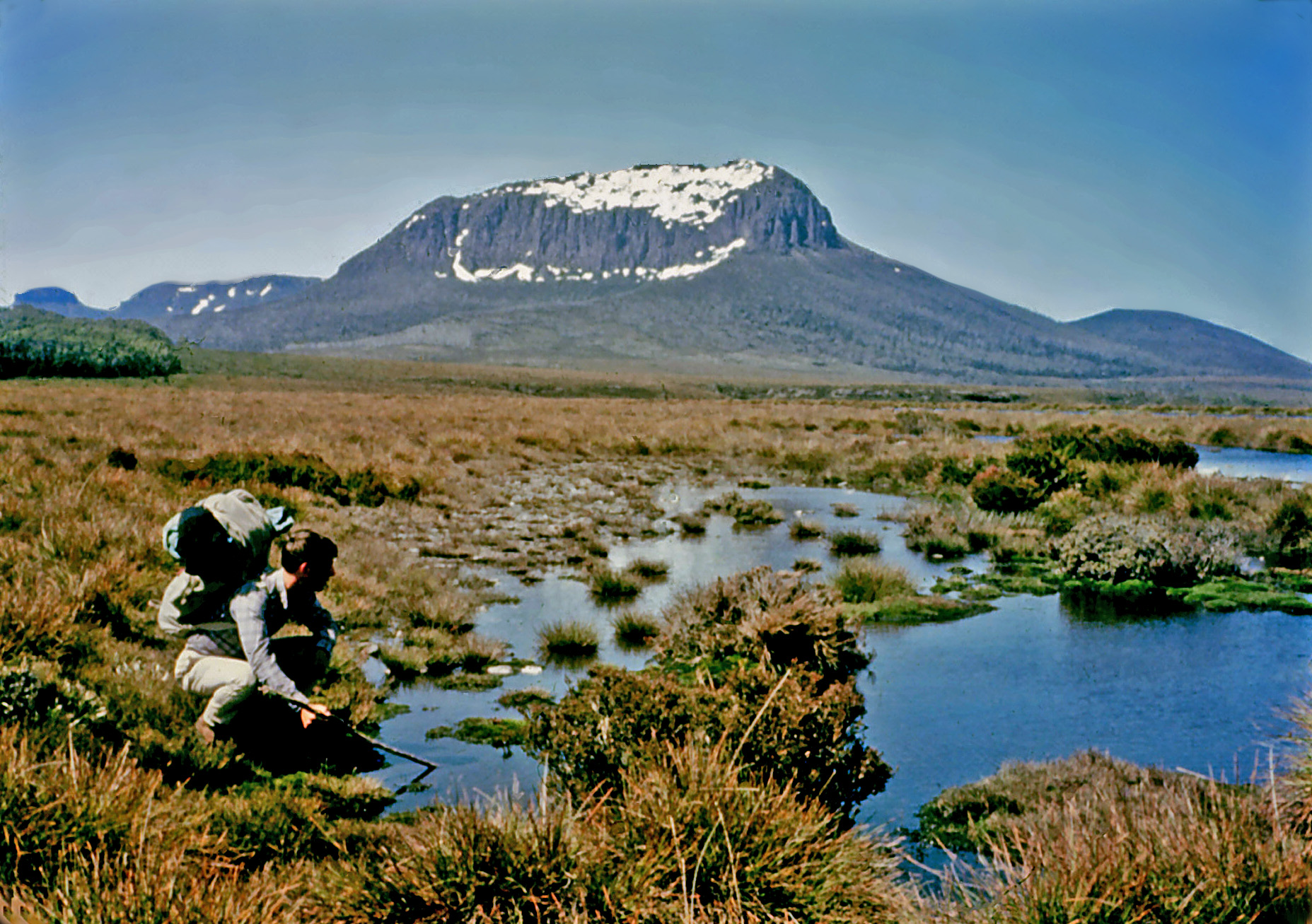
Tasmania's state government holds tens of thousands of digital images across its agencies, photographs of coastlines, heritage buildings, tourism campaigns and infrastructure projects. A significant proportion of those images, according to records management reviews conducted by the Tasmanian Archives and Heritage Office, are exact or near-exact duplicates stored across multiple systems with different file names, different metadata and no single point of reconciliation.
The problem did not emerge overnight. It is the accumulated result of at least two decades of decisions, some deliberate, most simply expedient, that treated image storage as a departmental afterthought rather than a shared resource requiring governance.
A patchwork built department by department
The roots of the problem trace back to the late 1990s and early 2000s, when Tasmanian government agencies began digitising photograph collections independently of one another. Tourism Tasmania, headquartered on Murray Street in Hobart, built its own digital asset management system to service the growing demand from travel publishers and media organisations. Parks and Wildlife Service, responsible for managing properties including the Freycinet National Park and Cradle Mountain-Lake St Clair National Park, developed a parallel catalogue. Infrastructure Tasmania, Forestry Tasmania and a string of smaller bodies each followed suit.
There was no overarching directive requiring those systems to talk to each other. When a photographer shot images for a joint tourism-infrastructure project, say, a new visitor centre near Strahan on the West Coast, the resulting files often ended up saved independently by each commissioning agency. The same photograph, or near-identical frames from the same shoot, would be catalogued separately, licensed separately and stored on separate servers with different retention policies.
By the time the Tasmanian government consolidated several heritage and records functions under the Tasmanian Archive and Heritage Office at the Argyle Street repository in Hobart, the scale of the duplication problem had grown substantially. Internal reviews identified cases where a single image event, a media day, a ministerial announcement, a landscape shoot, had generated files stored in four or more separate departmental repositories with no cross-referencing.
Digitisation pressure made things worse before they got better
The push to digitise Tasmania's older analogue photograph collections in the 2010s added another layer of complexity. Grant funding tied to digitisation milestones incentivised speed over consistency. Agencies met their targets, measured in number of images digitised, without necessarily checking whether another department had already scanned the same negative or print from a shared historical collection.
The State Library of Tasmania, based on Murray Street adjacent to the Hobart CBD, holds a substantial photographic collection that overlaps in places with material held by the Queen Victoria Museum and Art Gallery in Launceston and by individual agency archives. Quality checks meant to catch duplication were inconsistently applied, and the metadata standards used by each institution differed enough that automated deduplication tools produced unreliable results when cross-applied.
The financial dimension matters. Commercial image licensing fees in Australia typically range from several hundred to several thousand dollars per image depending on usage rights, and government agencies that failed to locate an existing licensed photograph in their own holdings sometimes paid for fresh shoots or fresh licences on material they already owned. A formal audit of image procurement practices across three Tasmanian agencies conducted in the 2022-23 financial year identified redundant licensing expenditure, though specific dollar figures from that review remain subject to budget disclosure processes.
The broader national context is instructive. Sydney recorded its hottest June in records stretching back to 1859 this week, and climate-related imagery, coastal erosion, altered alpine landscapes, bushfire recovery, is now among the most heavily requested material in government archives. The demand makes accurate, accessible and deduplicated image holdings more operationally important than they were even five years ago.
The Tasmanian government's Digital Strategy unit has been working since late 2024 on a consolidated digital asset management framework intended to apply uniform metadata standards across agencies and run automated duplication detection on ingestion of new files. Agencies with significant existing collections, Tourism Tasmania and Parks and Wildlife Service among them, are expected to migrate holdings progressively rather than in a single cutover. For individuals or organisations seeking historical Tasmanian imagery in the meantime, the Tasmanian Archive and Heritage Office reading room on Argyle Street remains the most reliable single point of enquiry, with staff able to cross-reference holdings across multiple collections manually.